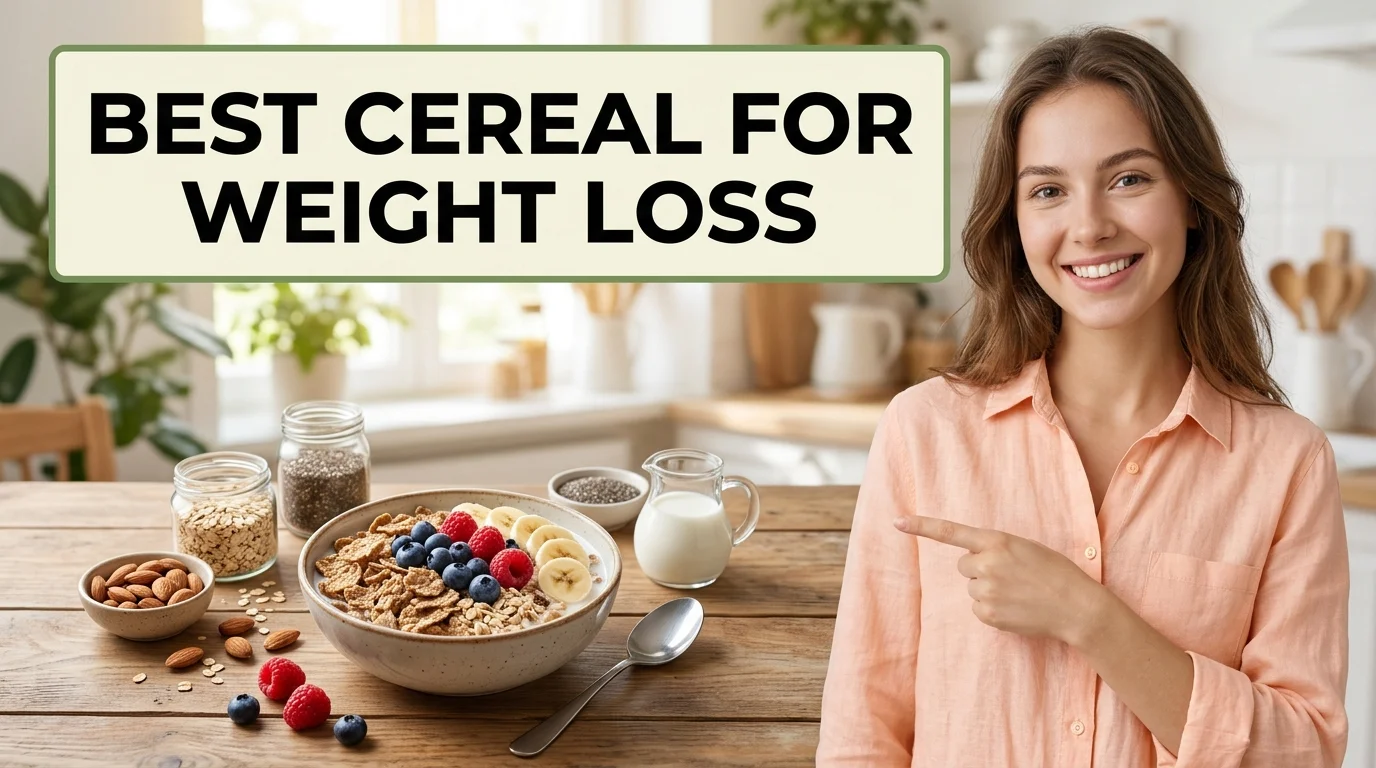
Finding the best cereal for weight loss can make your morning routine easier, healthier, and more satisfying. Cereal is a popular breakfast choice because it is quick to prepare, easy to customize, and available in many flavors. However, not every cereal supports your weight-loss goals. Some varieties contain large amounts of added sugar and refined carbohydrates, while others provide valuable fiber, whole grains, and protein.
If you want to lose weight, choosing the right breakfast cereal can help you manage hunger and build healthier eating habits. You do not need to give up cereal completely. Instead, focus on nutritious options that keep you full without adding unnecessary calories.
The best cereals for weight loss generally contain plenty of fiber, limited added sugar, and a reasonable amount of calories per serving. Options such as oatmeal, shredded wheat, bran cereal, and unsweetened whole-grain cereals can fit into a balanced weight-loss diet.
In this guide, you will discover the best cereals for weight loss, what to look for on nutrition labels, how much cereal to eat, and which ingredients you should avoid. You will also learn how to build a filling breakfast that supports your health and long-term weight-management goals.
Can Cereal Help You Lose Weight?

Yes, cereal can be part of a weight-loss diet. However, the type of cereal, serving size, and ingredients make a significant difference.
Weight loss generally happens when you consistently consume fewer calories than your body uses. No particular cereal can directly burn body fat or guarantee weight loss. However, a nutritious cereal can make it easier to manage your daily calorie intake.
High-fiber cereals are especially useful because fiber slows digestion and helps you feel satisfied. This may reduce unnecessary snacking between meals. Whole grains also provide carbohydrates that your body uses for energy.
For example, a bowl of plain oatmeal with low-fat milk, berries, and a few nuts offers a combination of fiber, protein, and healthy fats. This type of breakfast is generally more satisfying than a large bowl of sugary cereal.
However, eating cereal alone does not guarantee a balanced breakfast. Some cereals contain very little protein, which may leave you hungry sooner. Adding Greek yogurt, milk, nuts, or seeds can improve the nutritional value of your meal.
The bottom line: You can enjoy cereal while losing weight. Choose whole-grain, high-fiber options, watch your portions, and pay attention to what you add to your bowl.
What Makes a Cereal Good for Weight Loss?
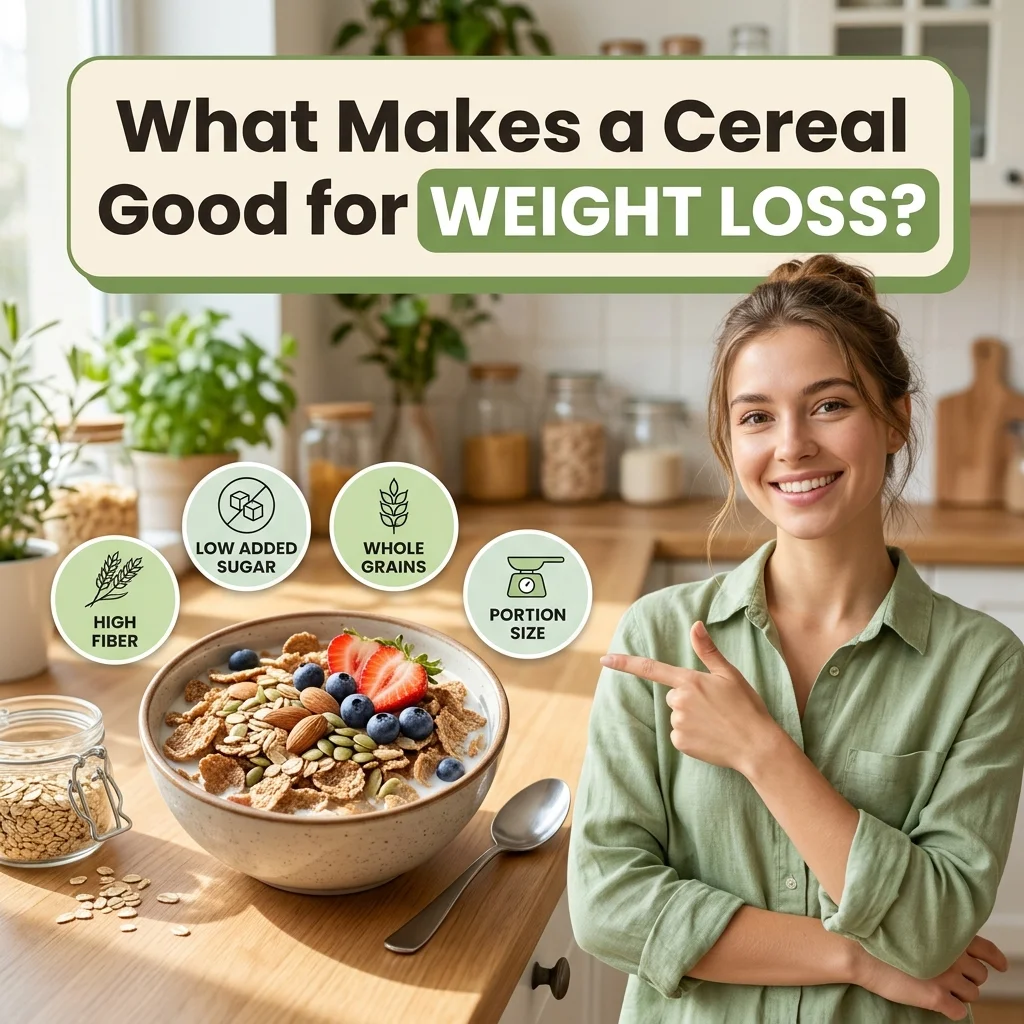
Before choosing a cereal, understand which nutritional qualities matter most. A cereal’s packaging may advertise words such as natural, healthy, multigrain, or low-fat. These descriptions do not automatically mean that the product is suitable for weight management.
Look at the nutrition facts and ingredient list instead.
1. High Fiber Content
Fiber is one of the most important nutrients to consider when selecting cereal for weight loss.
It supports digestion, helps maintain regular bowel movements, and can improve feelings of fullness. Fiber-rich foods may also help you manage hunger throughout the day.
Look for cereals that provide around 5 grams or more of fiber per serving when possible. However, the best choice depends on your overall diet and individual nutritional needs.
Good sources include:
- Oatmeal
- Wheat bran
- Shredded whole wheat
- Barley-based cereals
- Unsweetened whole-grain flakes
Increase fiber gradually and drink enough water to reduce digestive discomfort.
2. Low Added Sugar
Added sugar can increase a cereal’s calorie content without providing much nutritional value.
Flavored cereals, frosted flakes, chocolate cereals, and honey-coated varieties can contain substantial amounts of added sugar.
For everyday breakfasts, look for options with approximately 0–5 grams of added sugar per serving. This is a practical target rather than a strict medical requirement.
Remember that naturally occurring sugars in plain milk and dried fruit are different from added sugars. Check the nutrition label to understand what you are buying.
3. Moderate Calories
Calories matter when you are trying to lose weight, but choosing the cereal with the lowest calorie count is not always the best strategy.
A very small serving of low-calorie cereal may leave you hungry. A slightly higher-calorie cereal containing fiber and protein may keep you satisfied for longer.
Compare similar serving sizes and consider the calories from milk, yogurt, fruit, nuts, and other toppings.
4. Whole-Grain Ingredients
Whole grains contain more of their original nutrients than refined grains because they retain the bran, germ, and endosperm.
These components provide fiber, vitamins, minerals, and other beneficial plant compounds.
Look for ingredients such as:
- Whole oats
- Whole wheat
- Whole-grain barley
- Brown rice
- Whole-grain rye
Ideally, a whole grain should appear near the beginning of the ingredient list.
5. Some Protein
Protein helps support muscle maintenance and contributes to fullness. Many traditional cereals are relatively low in protein, so adding a protein source can make breakfast more balanced.
You can increase protein by combining cereal with:
- Plain Greek yogurt
- Low-fat or skim milk
- Unsweetened soy milk
- Chia seeds
- Nuts
- Pumpkin seeds
A combination of protein and fiber can make your breakfast more satisfying.
15 Best Cereals for Weight Loss
Not all cereals offer the same nutritional benefits. Some are naturally rich in fiber, while others provide protein, vitamins, and minerals that support a balanced diet.
Here are 15 nutritious cereal choices worth considering when your goal is to lose weight.
1. Oatmeal
Abnehmen mit Haferflocken: So geht es wirklich – mybody®x
Oatmeal is one of the best cereals for weight loss because it provides soluble fiber, particularly beta-glucan. This type of fiber absorbs water and forms a gel-like substance during digestion.
Oatmeal can help you feel satisfied and provides a convenient way to include whole grains in your breakfast. It also contains important nutrients, including magnesium, phosphorus, and iron.
You can choose steel-cut oats, rolled oats, or plain quick oats. All three can fit into a healthy diet. Steel-cut and rolled oats generally have a chewier texture, while quick oats cook faster.
How to eat it: Prepare half a cup of dry oats with water or milk. Add blueberries, cinnamon, or chia seeds for extra flavor and nutrients.
Why it supports weight loss:
- Contains filling soluble fiber.
- Provides whole-grain carbohydrates.
- Has no added sugar when purchased plain.
- Works well with protein-rich toppings.
Avoid flavored instant oatmeal packets with large amounts of added sugar.
2. Shredded Wheat
Wheat Squares and Strawberries for Breakfast
Shredded wheat is another excellent breakfast cereal for people trying to manage their weight. It is commonly made from whole wheat and often contains very few ingredients.
Plain shredded wheat can provide a good amount of dietary fiber without the added sugars found in many sweetened breakfast cereals.
Its simple ingredient list makes it easier to understand what you are eating. However, always check the packaging because frosted and flavored versions may contain additional sugar.
How to eat it: Serve shredded wheat with unsweetened milk and sliced strawberries. You can also add a small portion of almonds for extra protein and healthy fats.
Why it supports weight loss:
- Provides whole-grain fiber.
- Usually contains little added sugar in plain varieties.
- Offers a satisfying crunchy texture.
- Pairs easily with nutritious toppings.
3. Bran Flakes
Cereal bran flakes Nutrition
Bran flakes are a popular option for people looking for a high-fiber breakfast. They contain wheat bran, which is the outer layer of the wheat grain.
Wheat bran is particularly rich in insoluble fiber. This type of fiber adds bulk to stool and supports regular bowel movements.
Some bran cereals also contain added vitamins and minerals, making them a convenient breakfast choice.
However, not every bran cereal is equally healthy. Some varieties contain added sugar, salt, and flavoring ingredients.
How to eat it: Combine a measured serving of plain bran flakes with low-fat milk. Add half a banana or a handful of fresh berries.
Why it supports weight loss:
- Provides dietary fiber.
- Helps support digestive health.
- Makes a convenient breakfast.
- Can be combined with protein-rich foods.
If you are not used to eating high-fiber foods, increase your portion gradually.
4. Unsweetened Whole-Grain Cereal
Breakfast Cereal
Unsweetened whole-grain cereal is a practical option if you prefer cold breakfast cereals. It can provide fiber and essential nutrients without unnecessary added sugar.
Look for products made primarily from whole wheat, whole oats, whole-grain corn, or brown rice.
The most important thing is to check the ingredient list. A product labeled multigrain may contain mostly refined grains, even if the packaging makes it appear healthy.
Choose a cereal with whole grains near the beginning of the ingredient list.
How to eat it: Add unsweetened whole-grain cereal to a bowl of plain Greek yogurt. Top it with strawberries or blueberries.
Why it supports weight loss:
- Provides whole-grain carbohydrates.
- Can contain substantial fiber.
- Makes portion control easier.
- Works with low-sugar breakfast ingredients.
5. High-Fiber Wheat Cereal
The concept of a healthy breakfast of vegetarian yogurt, whole grain cereal fresh fruit on a blue table against a white kitchen background. Front view.
High-fiber wheat cereal can be a useful addition to a weight-management meal plan. It is generally made from wheat-based ingredients and may contain additional wheat bran.
Fiber helps slow digestion and can increase feelings of fullness. This may make it easier to avoid frequent snacking after breakfast.
However, some high-fiber cereals contain added sweeteners. Do not assume that a product is healthy simply because its packaging highlights fiber.
Compare the fiber, added sugar, and calorie content before buying.
How to eat it: Combine one measured serving with unsweetened soy milk or regular low-fat milk. Add a few walnuts for texture.
Why it supports weight loss:
- Can provide substantial fiber.
- Offers a convenient breakfast option.
- Helps increase daily whole-grain intake.
- Pairs well with protein sources.
6. Steel-Cut Oats
Organic Cinnamon Oatmeal
Steel-cut oats are made by chopping whole oat groats into smaller pieces. They have a chewy texture and generally take longer to cook than instant oatmeal.
They contain beta-glucan, a soluble fiber associated with several health benefits, including improvements in cholesterol levels.
Steel-cut oats are not a magical fat-burning food. However, their fiber content and satisfying texture can make them a good choice for breakfast.
How to eat them: Cook steel-cut oats with water or milk. Add cinnamon, chopped apples, and a small amount of walnuts.
Why they support weight loss:
- Contain whole-grain fiber.
- Provide sustained energy as part of a balanced meal.
- Have no added sugar when purchased plain.
- Can be prepared in advance.
7. Rolled Oats
Abnehmen mit Haferflocken: So klappt es über Nacht
Rolled oats are steamed and flattened oat groats. They cook faster than steel-cut oats and are widely available in grocery stores.
They provide fiber, complex carbohydrates, and several important minerals. Their versatility also makes them easy to include in different breakfast recipes.
You can prepare them as traditional porridge, overnight oats, or homemade cereal bars.
How to eat them: Mix half a cup of rolled oats with plain yogurt and unsweetened milk. Refrigerate overnight and add fresh fruit in the morning.
Why they support weight loss:
- Provide soluble fiber.
- Are easy to measure and prepare.
- Work in both hot and cold breakfasts.
- Can replace sugary breakfast foods.
8. Muesli Without Added Sugar
Nutritionist Suggests Healthy Homemade Muesli Recipe Which Is No-Sugar, Gluten-Free
Muesli is a mixture of grains, nuts, seeds, and sometimes dried fruit. It can be a nutritious breakfast choice when you select an unsweetened variety.
Its ingredients provide a combination of carbohydrates, fiber, healthy fats, and some protein.
However, muesli is not automatically low in calories. Nuts and seeds are nutritious but energy-dense. Dried fruit can also increase the sugar and calorie content of a serving.
Choose a variety without added sugar or sweetened chocolate pieces.
How to eat it: Mix a small measured portion of muesli with plain Greek yogurt and fresh berries.
Why it supports weight loss:
- Combines several nutrient-rich ingredients.
- Can provide fiber and plant-based protein.
- Offers different textures and flavors.
- Works well as a filling breakfast when portions are controlled.
9. Barley Cereal
Byggrynsgrøt – for barnehager | Oppskrifter – Oda
Barley is a whole grain that deserves more attention as a breakfast ingredient. It contains beta-glucan, a soluble fiber that can support heart health and help improve cholesterol levels.
Barley also provides complex carbohydrates and minerals. Its slightly nutty flavor works well in both sweet and savory breakfast recipes.
You can find barley flakes or use cooked barley to prepare a warm breakfast bowl.
How to eat it: Cook barley with milk or water. Add cinnamon, diced apple, and a few almonds.
Why it supports weight loss:
- Provides soluble fiber.
- Offers a satisfying whole-grain option.
- Can be prepared without added sugar.
- Works with fruit and protein-rich ingredients.
10. Quinoa Breakfast Cereal
Best Quinoa porridge with strawberries in bowl
Quinoa is technically a seed, but it is commonly prepared and eaten like a grain. It provides fiber and more protein than many traditional grain-based cereals.
It also contains essential amino acids, making it a useful plant-based protein source.
Quinoa can be a good alternative if you want something different from traditional wheat and oat cereals.
However, its calorie content still matters. Use a reasonable serving size and avoid adding large amounts of honey, syrup, or sweetened toppings.
How to eat it: Cook quinoa with unsweetened milk and cinnamon. Add strawberries and pumpkin seeds.
Why it supports weight loss:
- Contains plant-based protein.
- Provides fiber.
- Offers a naturally gluten-free option.
- Can help create a balanced breakfast.
11. Brown Rice Cereal
breakfast
Brown rice cereal can be a suitable breakfast choice, especially for people who prefer a lighter texture.
Brown rice retains its bran and germ, which provide nutrients and fiber. However, the nutritional value depends on how the cereal is processed.
Puffed brown rice products may contain less fiber than intact brown rice. Some packaged versions also contain added sugar.
Choose an unsweetened product and compare the nutrition information with other whole-grain options.
How to eat it: Serve a measured portion with unsweetened soy milk and sliced banana.
Why it supports weight loss:
- Can provide whole-grain nutrients.
- Offers a simple breakfast option.
- Is naturally gluten-free when uncontaminated.
- Can be paired with protein and fiber sources.
12. Rye Cereal
Rye is another whole grain that can make a nutritious breakfast. Whole-grain rye contains fiber and minerals that support a balanced eating pattern.
Rye flakes have a slightly earthy flavor and can be prepared similarly to oatmeal. Some ready-to-eat rye cereals are also available.
Choose products made with whole-grain rye rather than refined rye flour.
How to eat it: Cook rye flakes with water or milk. Add fresh pear slices, cinnamon, and a teaspoon of chia seeds.
Why it supports weight loss:
- Provides whole-grain fiber.
- Offers variety in your breakfast routine.
- Can help make breakfast more satisfying.
- Works with low-sugar ingredients.
13. Buckwheat Cereal
Despite its name, buckwheat is not a type of wheat. It is a naturally gluten-free seed that is commonly used like a grain.
Buckwheat provides fiber, plant-based protein, and minerals such as magnesium. You can find buckwheat groats, flakes, and breakfast cereal products.
It is particularly useful for people who want to add variety to their whole-grain-style breakfast choices.
How to eat it: Cook buckwheat groats until tender. Serve with unsweetened milk, berries, and a small amount of chopped nuts.
Why it supports weight loss:
- Contains fiber and protein.
- Provides useful minerals.
- Offers a naturally gluten-free alternative.
- Can replace refined breakfast cereals.
14. High-Protein Cereal
High-protein cereal can be helpful if you struggle to feel satisfied after breakfast. These products may contain ingredients such as soy, peas, milk proteins, nuts, or additional whole grains.
Protein supports muscle maintenance and helps your body recover from physical activity. It also contributes to fullness when included as part of a balanced meal.
However, some high-protein cereals are heavily processed or contain considerable amounts of added sugar and saturated fat.
Read the label carefully instead of relying only on the front-of-package protein claim.
How to eat it: Combine a measured serving of high-protein cereal with plain Greek yogurt and fresh fruit.
Why it supports weight loss:
- Provides additional protein.
- Can help create a more satisfying breakfast.
- May support muscle maintenance alongside exercise.
- Offers convenient preparation.
15. Plain Puffed Whole-Grain Cereal
Plain puffed whole-grain cereal is a simple option for people who enjoy crunchy breakfast foods.
It is often made by expanding grains through heat and pressure. Depending on the grain and manufacturing process, its fiber and protein content can vary considerably.
One advantage is that plain versions may contain very few added ingredients. However, puffed cereal can be less filling by volume than denser options.
Choose products with whole grains and compare their fiber content before purchasing.
How to eat it: Mix puffed whole-grain cereal with plain yogurt, fresh strawberries, and a few almonds.
Why it supports weight loss:
- Can be low in added sugar.
- Provides a convenient breakfast base.
- Is easy to portion.
- Can be combined with filling protein sources.
Quick Comparison: Best Cereals for Weight Loss
The following table summarizes the main advantages of each option.
| Cereal | Main nutritional advantage | Best choice for |
| Oatmeal | Soluble fiber | Everyday breakfast |
| Shredded wheat | Whole-grain fiber | Low-sugar eating |
| Bran flakes | Wheat bran fiber | Digestive health |
| Whole-grain cereal | Whole grains | Quick breakfast |
| High-fiber wheat | Dietary fiber | Fullness |
| Steel-cut oats | Beta-glucan | Warm breakfast |
| Rolled oats | Soluble fiber | Overnight oats |
| Unsweetened muesli | Nuts, seeds, and grains | Balanced nutrition |
| Barley cereal | Beta-glucan | Whole-grain variety |
| Quinoa cereal | Plant protein | Protein variety |
| Brown rice cereal | Whole-grain nutrients | Gluten-free option |
| Rye cereal | Whole-grain fiber | Breakfast variety |
| Buckwheat cereal | Fiber and protein | Gluten-free breakfast |
| High-protein cereal | Protein | Higher-protein meals |
| Puffed whole grains | Simple ingredients | Light breakfast |
My recommendation: Start with plain oatmeal, shredded wheat, or unsweetened bran cereal. These are practical choices because they can provide whole grains and fiber without requiring expensive specialty products.
Remember that the nutritional value varies by brand and serving size.
Best Store-Bought Cereals for Weight Loss
If you prefer ready-to-eat cereal instead of preparing oatmeal, you can still find nutritious options at the grocery store.
Some popular cereal brands offer products made with whole grains and added fiber. However, their nutritional values can differ depending on the product and flavor.
Here are some product lines worth comparing.
1. Cheerios
Original Cheerios are made primarily with whole-grain oats. They offer a simple, crunchy breakfast option and generally contain less added sugar than many heavily sweetened cereals.
Check the label for the specific product because flavored versions may contain additional sugar.
2. Shredded Wheat
Plain Shredded Wheat is a good option if you want a cereal with a simple ingredient list. It provides whole-grain wheat and fiber without needing added sweetness.
Choose the original variety instead of frosted versions if you want to limit added sugar.
3. All-Bran
All-Bran products are known for their wheat bran content and can provide substantial dietary fiber. They may be useful if you want to increase your daily fiber intake.
Check the serving size and sugar content because different All-Bran varieties have different nutritional profiles.
4. Kashi
Kashi offers several whole-grain and higher-protein cereal options. Some varieties contain grains, nuts, seeds, and added protein.
These products can be convenient for people looking for a more filling breakfast. However, compare calories, sugar, and fiber before selecting a particular variety.
5. Nature’s Path
Nature’s Path offers organic and whole-grain breakfast cereals, including several varieties made with oats and other grains.
Some products have relatively simple ingredients, while others contain dried fruit or sweeteners. Read the nutrition label to find an option that fits your goals.
Important shopping tip: Brand names do not guarantee that a cereal is suitable for weight loss. Always compare the exact product’s serving size, calories, fiber, protein, and added sugar.
How to Read a Cereal Nutrition Label
Understanding nutrition labels can help you make better decisions when shopping for breakfast cereal.
A cereal box may display attractive claims such as high fiber, natural ingredients, or made with whole grains. However, the Nutrition Facts panel provides more useful information.
Here are five things to check.
1. Check the Serving Size
Start by looking at the serving size printed on the package.
A serving might be three-quarters of a cup, one cup, or another amount depending on the cereal. Your actual bowl may contain two or three servings without you realizing it.
For example, if a cereal contains 120 calories per serving and you eat two servings, you consume 240 calories before adding milk or toppings.
Using a measuring cup can help you understand your usual portion.
2. Look at Dietary Fiber
Fiber is an important factor when choosing cereal.
A practical target is at least 3 grams per serving, with 5 grams or more being a useful goal when available.
High-fiber options can help you increase your daily fiber intake and feel satisfied after breakfast.
Harvard Health also recommends prioritizing whole grains and choosing cereals with substantial fiber.
Harvard Health+1
3. Compare Added Sugar
Check the added sugars section rather than looking only at total sugar.
Plain cereal may contain naturally occurring sugar in small amounts, while flavored products often contain added sweeteners.
Look for cereals with around 5 grams or less of added sugar per serving when possible.
Common names for added sugars include:
- Cane sugar
- Brown sugar
- Corn syrup
- Dextrose
- Honey
- Malt syrup
- Brown rice syrup
- High-fructose corn syrup
Remember that honey and maple syrup also count as added sugar when used to sweeten a packaged product or your breakfast.
4. Review the Ingredient List
Ingredients are generally listed in descending order by weight.
If whole oats, whole wheat, or another whole grain appears near the beginning, that is a positive sign.
Be careful with products that list refined flour or sugar among their first ingredients.
Also, do not assume that multigrain means whole grain. A cereal can contain several types of refined grains.
5. Compare Protein and Calories
Protein can make cereal more satisfying, especially when combined with fiber.
Look for a product that provides a useful amount of protein without excessive added sugar or saturated fat.
Calories should also fit your overall breakfast plan. There is no single calorie target that works for everyone because individual energy requirements differ.
How Much Cereal Should You Eat to Lose Weight?
Portion size matters even when you choose a nutritious cereal.
Whole-grain cereal, oatmeal, and bran flakes contain beneficial nutrients, but they still contribute calories to your daily diet.
A reasonable starting point for many adults is one labeled serving of cereal. However, the appropriate amount depends on your appetite, activity level, energy requirements, and the rest of your breakfast.
For example, a balanced breakfast might include:
- ½ cup of dry rolled oats.
- ¾ cup of plain Greek yogurt.
- ½ cup of fresh blueberries.
- 1 teaspoon of chia seeds.
This combination provides whole grains, protein, fiber, and fruit.
Another option is one serving of plain shredded wheat with a cup of milk and a small banana.
The goal is not to eat as little as possible. Instead, build a breakfast that satisfies you while fitting into your daily nutritional needs.
What Should You Add to Cereal for Better Weight Loss Results?
The right toppings can improve the nutritional value of your breakfast. However, some additions can also increase calories quickly.
Choose ingredients that provide protein, fiber, vitamins, minerals, or healthy fats.
1. Fresh Berries
berries fruits
Strawberries, raspberries, and blueberries add natural sweetness to cereal.
They also provide dietary fiber, vitamins, and beneficial plant compounds.
Adding fresh berries can make unsweetened oatmeal or whole-grain cereal taste better without requiring much added sugar.
2. Chia Seeds
Chia seeds contain fiber, plant-based protein, and healthy fats.
They absorb liquid and develop a gel-like texture, making them a useful addition to overnight oats and yogurt bowls.
Start with a small amount, such as one teaspoon, and increase according to your preferences.
3. Almonds
Almonds provide protein, fiber, vitamin E, and unsaturated fats.
A small portion can add crunch and make breakfast more satisfying.
However, almonds are calorie-dense, so avoid adding large handfuls without considering your overall intake.
4. Plain Greek Yogurt
Greek yogurt is a convenient way to increase the protein content of your cereal.
Choose plain, unsweetened varieties to avoid unnecessary added sugar.
You can mix it with oatmeal, muesli, or whole-grain flakes to create a thicker and more filling breakfast.
5. Cinnamon
Cinnamon adds flavor without contributing significant calories in typical serving amounts.
It works particularly well with oatmeal, apples, bananas, and plain whole-grain cereal.
Use it instead of relying on large amounts of honey or sugar for sweetness.
6. Pumpkin Seeds
Pumpkin seeds contain protein, magnesium, zinc, and unsaturated fats.
A small sprinkle can add texture and nutritional value to your breakfast.
As with nuts, keep the portion reasonable because seeds contain a concentrated amount of calories.
5 Healthy Cereal Breakfast Recipes for Weight Loss
Eating the same breakfast every day can become boring. Fortunately, you can prepare several different cereal meals using simple ingredients.
Here are five easy recipes to try.
1. Blueberry Oatmeal Bowl
Ingredients:
- ½ cup rolled oats
- 1 cup water or unsweetened milk
- ½ cup blueberries
- 1 teaspoon chia seeds
- A pinch of cinnamon
Preparation:
- Add the oats and liquid to a saucepan.
- Cook until the oats become soft.
- Transfer the oatmeal to a bowl.
- Add blueberries, chia seeds, and cinnamon.
- Serve warm.
This breakfast combines whole grains, soluble fiber, and fruit. It is an excellent alternative to sugary packaged cereal.
2. Greek Yogurt and Muesli Bowl
Ingredients:
- ¾ cup plain Greek yogurt
- ¼ cup unsweetened muesli
- ½ cup raspberries
- 1 teaspoon pumpkin seeds
Preparation:
- Add Greek yogurt to a bowl.
- Mix in the muesli.
- Add fresh raspberries.
- Sprinkle pumpkin seeds on top.
This combination provides protein, fiber, and healthy fats. It also requires almost no preparation time.
3. Banana and Cinnamon Overnight Oats
Ingredients:
- ½ cup rolled oats
- ½ cup unsweetened milk
- ½ small banana
- 1 teaspoon chia seeds
- A pinch of cinnamon
Preparation:
- Combine oats, milk, and chia seeds in a container.
- Add mashed banana and cinnamon.
- Stir everything together.
- Cover and refrigerate overnight.
- Add a few banana slices before serving.
This recipe is convenient for busy mornings because you prepare it the night before.
4. Bran Flakes and Strawberry Bowl
Ingredients:
- One serving of plain bran flakes
- ¾ cup low-fat milk
- ½ cup sliced strawberries
- 1 teaspoon chopped almonds
Preparation:
- Place bran flakes in a bowl.
- Pour milk over the cereal.
- Add fresh strawberries.
- Sprinkle chopped almonds on top.
This is a simple option when you want a quick breakfast without cooking.
5. Quinoa and Apple Breakfast Bowl
Ingredients:
- ½ cup cooked quinoa
- ½ cup unsweetened milk
- ½ small apple, diced
- A pinch of cinnamon
- 1 teaspoon chopped walnuts
Preparation:
- Warm the cooked quinoa with milk.
- Add diced apple.
- Stir in cinnamon.
- Finish with chopped walnuts.
This breakfast provides plant-based protein, fiber, and whole-food ingredients.
Cereals You Should Limit When Trying to Lose Weight
You do not have to completely eliminate your favorite breakfast cereals. However, some varieties contain more added sugar and fewer beneficial nutrients than whole-grain alternatives.
Here are several types to limit.
1. Frosted Cereals
Frosted cereals often contain a sugary coating that increases their added sugar content.
They may taste delicious, but they usually provide less fiber than plain whole-grain alternatives.
Choose unsweetened wheat or oat cereal more often.
2. Chocolate-Flavored Cereals
Chocolate cereals often contain added sugar, sweeteners, and refined grains.
Some varieties also contain chocolate pieces or coatings that increase their calorie content.
If you enjoy chocolate flavors, try adding a small amount of unsweetened cocoa powder to plain oatmeal.
3. Marshmallow Cereals
Marshmallow cereals are generally designed as sweet breakfast treats rather than fiber-rich everyday meals.
They often contain refined grains and added sugar.
Consider enjoying them occasionally instead of making them your regular breakfast.
4. Sugar-Coated Granola
Granola may look healthy because it contains oats, nuts, and seeds. However, some varieties contain considerable amounts of added sugar, oils, honey, and dried fruit.
A small portion can provide more calories than you expect.
Choose unsweetened granola and measure your serving carefully.
5. Sweetened Instant Oatmeal
Instant oatmeal is not automatically unhealthy. Plain instant oats can be nutritious and convenient.
The varieties to watch are flavored packets containing added sugar, sweetened fruit pieces, and syrups.
Choose plain instant oatmeal and add your own fruit and cinnamon.
Is Granola Good for Weight Loss?
Granola can fit into a weight-loss diet, but it is important to understand its calorie content.
Many granola products contain oats, almonds, pumpkin seeds, sunflower seeds, and other nutritious ingredients. These foods provide fiber, protein, and healthy fats.
However, manufacturers may add honey, brown sugar, oils, chocolate, or dried fruit. These ingredients can increase the total calories.
A large bowl of granola can therefore contain considerably more calories than a similar-sized bowl of plain oatmeal.
If you enjoy granola, follow these tips:
- Choose varieties with little or no added sugar.
- Measure your serving instead of eating directly from the package.
- Combine granola with plain Greek yogurt.
- Add fresh fruit instead of extra sweeteners.
- Compare calories and fiber between products.
Granola is not something you need to avoid. Just treat it as an energy-dense cereal rather than assuming every variety is a low-calorie breakfast.
Is Eating Cereal Every Day Good for Weight Loss?
Yes, you can eat cereal every day while working toward your weight-loss goals.
The important factor is the overall quality of your diet. Eating the same nutritious breakfast regularly can make meal planning easier and help you develop consistent habits.
However, eating only cereal for breakfast may not provide enough protein or variety.
Try rotating different options throughout the week.
For example:
| Day | Breakfast cereal |
| Monday | Plain oatmeal with blueberries |
| Tuesday | Shredded wheat with milk |
| Wednesday | Greek yogurt with unsweetened muesli |
| Thursday | Bran flakes with strawberries |
| Friday | Overnight oats with banana |
| Saturday | Quinoa breakfast bowl |
| Sunday | Steel-cut oats with almonds |
This simple routine gives you different nutrients, flavors, and textures.
You can also include eggs, fruit, whole-grain toast, or other nutritious foods when you want something different.
Is Cereal Better With Milk or Water for Weight Loss?
Both milk and water can work when preparing cereal. The better choice depends on your nutritional needs and personal preferences.
Milk: Regular dairy milk provides protein, calcium, and other nutrients. Low-fat milk can be a convenient option if you want protein without as much fat.
Unsweetened soy milk: This is a useful plant-based alternative because it generally provides more protein than many other plant milks.
Almond milk: Unsweetened almond milk is often lower in calories, although it usually contains considerably less protein than dairy or soy milk.
Water: Water adds no calories and works particularly well when preparing oatmeal. However, it does not provide the protein and calcium found in fortified milk.
If you want a more filling breakfast, consider choosing milk or unsweetened soy milk and adding a protein-rich food.
Common Mistakes to Avoid When Eating Cereal for Weight Loss
Even nutritious cereal can become a less suitable breakfast when you prepare it incorrectly.
Avoid these common mistakes to make your breakfast more balanced.
Eating Too Much Cereal
One of the most common mistakes is pouring cereal directly into a large bowl without checking the serving size.
You may consume two or three servings without realizing it.
Measure your cereal occasionally to understand how much you usually eat.
Adding Too Much Honey
Honey is often considered a natural alternative to sugar. However, it still contributes added sugar and calories when used as a sweetener.
Use fresh fruit and cinnamon to improve flavor before reaching for honey.
Choosing Cereal Based on Packaging
Words such as organic, natural, protein-rich, and multigrain can make products appear healthier.
However, these claims do not tell you everything about the nutritional content.
Always read the nutrition label and ingredient list.
Ignoring Protein
A breakfast containing only carbohydrates may not keep you satisfied for very long.
Add milk, Greek yogurt, nuts, or seeds to improve the protein content.
Skipping Breakfast to Lose Weight
You do not have to eat breakfast to lose weight, and skipping it does not automatically make weight loss faster.
What matters most is your overall eating pattern and calorie intake.
If you enjoy breakfast, choose a nutritious meal that fits your daily needs. If you are not hungry in the morning, you can plan your meals around your appetite and routine.
Tips for Including Cereal in a Healthy Weight-Loss Diet
Choosing a healthy cereal is only one part of managing your weight. Your daily habits also matter.
Use these practical tips to build a sustainable routine.
- Prioritize whole grains: Choose oatmeal, whole wheat, barley, and other minimally processed grains.
- Limit added sugar: Prefer plain cereals instead of heavily sweetened varieties.
- Include protein: Add Greek yogurt, milk, soy milk, or nuts.
- Eat whole fruit: Use strawberries, apples, bananas, or blueberries for natural sweetness.
- Control portions: Follow the serving information on the packaging.
- Drink enough water: This is especially important when increasing your fiber intake.
- Change your breakfast occasionally: Rotate different whole grains and nutritious ingredients.
- Avoid extreme dieting: Eating too little can make a healthy routine difficult to maintain.
- Read nutrition labels: Compare products rather than relying on advertising claims.
- Focus on consistency: Sustainable eating habits are more useful than short-term restrictive diets.
The CDC recommends prioritizing fiber-rich whole grains, fruits, and protein foods while limiting added sugars as part of healthy eating habits.
CDC+1
Frequently Asked Questions About the Best Cereal for Weight Loss
What is the number one cereal for weight loss?
Plain oatmeal is one of the best choices because it contains soluble fiber, whole-grain carbohydrates, and no added sugar when purchased plain. You can make it more filling by adding Greek yogurt, berries, or chia seeds.
What cereal has the most fiber for weight loss?
Wheat bran cereals and some bran flakes can provide substantial amounts of fiber. However, the exact amount depends on the brand and serving size. Check the nutrition label before buying.
Is Cheerios good for weight loss?
Original Cheerios can fit into a weight-loss diet because they are made primarily with whole-grain oats. However, portion size and toppings matter. Pair them with milk and fresh fruit for a more balanced breakfast.
Are Corn Flakes good for weight loss?
Plain Corn Flakes can fit into a calorie-controlled diet, but they generally provide less fiber than many whole-grain alternatives. You may find oatmeal, bran cereal, or shredded wheat more satisfying.
Is Special K good for weight loss?
Some Special K varieties can fit into a balanced diet. However, their protein, fiber, calorie, and sugar content varies by product. Check the specific variety rather than assuming every product supports weight loss equally.
Can I eat cereal at night and still lose weight?
Yes. You can eat cereal at night and still lose weight. The timing of your meals is generally less important than your overall calorie intake and eating habits. Choose a reasonable portion of whole-grain cereal and avoid excessive sugary toppings.
Is oatmeal better than regular breakfast cereal?
Oatmeal is often a better choice than highly sweetened breakfast cereals because plain oats contain whole grains and soluble fiber. However, some whole-grain packaged cereals can also be nutritious.
Which cereal has the least sugar?
Plain shredded wheat, plain oats, and many unsweetened whole-grain cereals have little or no added sugar. Always check the product label because recipes vary between brands.
Can I eat cereal without milk for weight loss?
Yes. You can eat cereal without milk. However, adding Greek yogurt, soy milk, or another protein source can make your breakfast more balanced and satisfying.
Is high-protein cereal better for losing belly fat?
High-protein cereal can support fullness and muscle maintenance, but it does not specifically burn belly fat. Reducing overall body fat requires sustainable changes in your eating habits and activity levels.
How many calories should breakfast cereal have?
There is no universal calorie limit for breakfast cereal. A product with around 150 calories per serving can be a convenient starting point for comparison, but your complete breakfast should fit your individual energy requirements.
Are overnight oats good for weight loss?
Yes. Overnight oats can be a nutritious breakfast because they provide whole grains and fiber. Prepare them with plain oats, unsweetened milk, and fresh fruit. Watch the portions of nuts, sweeteners, and other calorie-dense toppings.
Final Thoughts
Choosing the best cereal for weight loss does not mean giving up your favorite breakfast foods or eating the same meal every morning. It means understanding which ingredients provide useful nutrients and which products contain unnecessary added sugar. Plain oatmeal, shredded wheat, bran flakes, steel-cut oats, and unsweetened whole-grain cereals are excellent options to consider. They provide fiber and can help you create a satisfying breakfast when combined with protein and fresh fruit.
Pay attention to serving sizes, compare nutrition labels, and avoid relying on attractive packaging claims. Remember that even healthy cereals contribute calories, so portions still matter. Most importantly, do not expect one cereal to produce weight loss on its own. Combine nutritious breakfasts with balanced meals, regular physical activity, adequate sleep, and sustainable eating habits.

I am James Carter, a passionate writer dedicated to creating informative, engaging, and valuable content for readers. I enjoy exploring different topics, researching new ideas, and sharing knowledge through clear and meaningful writing. I am committed to providing accurate information, helpful insights, and well-crafted articles that inspire and educate audiences. With a strong focus on quality and creativity, I aim to connect with readers and deliver content that adds real value.