A weight vest for running adds resistance to your body by making you carry extra weight during exercise. Some athletes consider this training method to increase workout intensity, challenge their muscles, and develop general fitness. However, adding weight to running also changes the physical demands placed on your body.
If you are thinking about buying a weighted running vest, you probably have several questions. Is running with a weighted vest actually beneficial? How much weight should you carry? Can it improve your endurance or help you lose weight? Most importantly, is it safe for your joints?
The answers depend on your fitness level, training goals, and the way you use the equipment. A weighted vest may be useful for walking and selected strength exercises, but running with additional weight requires greater caution because every step creates repeated impact.
This guide explains the benefits and disadvantages of weighted training, how to choose a suitable vest, what weight considerations matter, and which alternatives may help you become a stronger runner without unnecessarily increasing injury risk.
What Is a Weight Vest for Running?
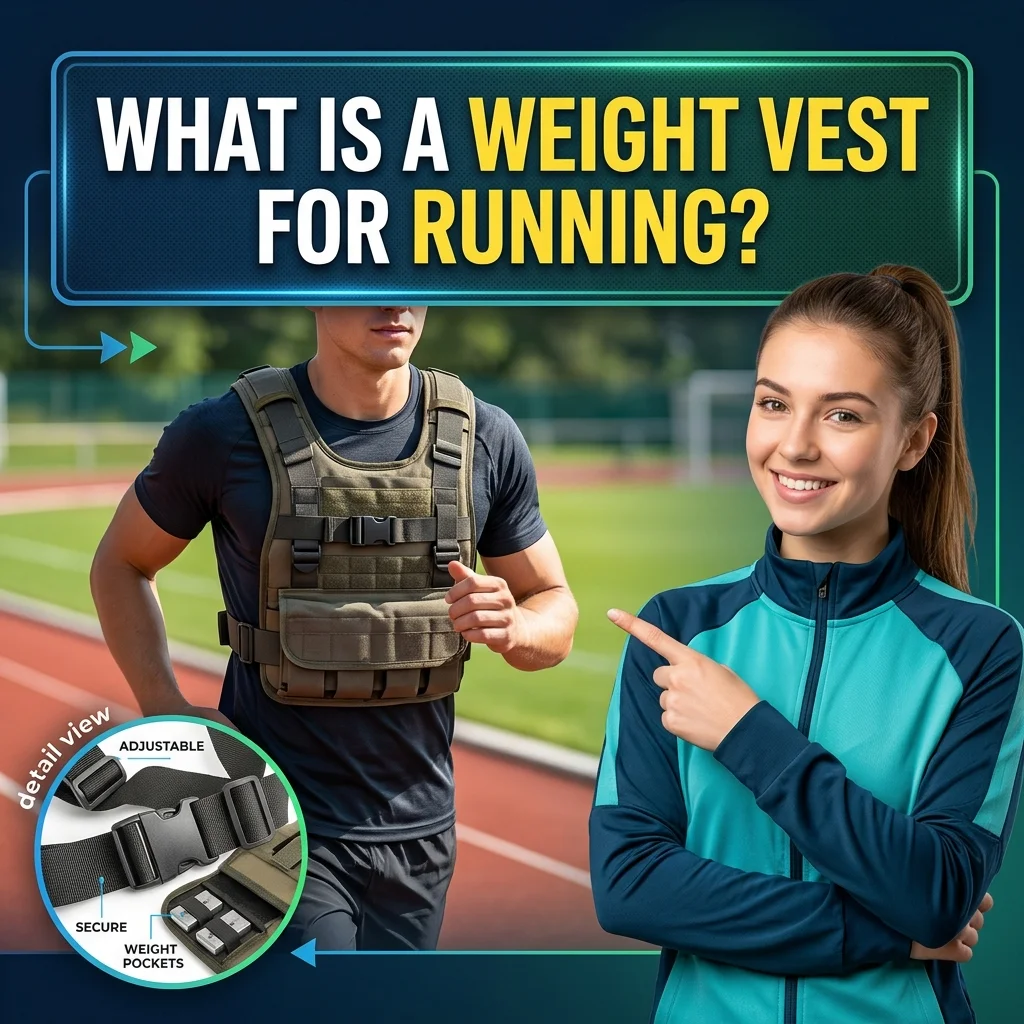
A weight vest for running is wearable exercise equipment that adds resistance to your upper body. It usually has a sleeveless design with weight compartments positioned around the front and back.
Unlike dumbbells, a running vest with weights leaves your hands free. This allows you to move your arms naturally while exercising.
Most weighted vests use one of three weight systems:
- Removable weight plates: Metal plates fit into individual compartments.
- Sand-filled inserts: Small bags distribute weight around the torso.
- Fixed weights: The resistance is built into the vest and cannot be adjusted.
An adjustable weight vest gives you more control over resistance. You can remove individual weights when you want a lighter workout or use the equipment for different exercises.
However, not every weighted vest is suitable for running. Some products are designed for strength training, while others are intended for walking or general conditioning.
A suitable vest should fit securely, distribute weight evenly, and allow comfortable breathing and unrestricted arm movement. You should also check the manufacturer’s instructions before using it for high-impact exercise.
Is a Weight Vest Good for Running?
A weight vest can make running more physically demanding because your body must move additional weight with every step. However, that does not mean it automatically improves running performance.
For most recreational runners, ordinary running provides a more practical way to develop aerobic fitness, improve pacing, and increase distance.
Weighted exercise may be useful for certain conditioning goals, but carrying extra weight during running can also increase mechanical demands and change your normal movement.
Consider your main objective before deciding whether to use one.
| Your goal | More practical approach |
| Improve running speed | Interval and speed training |
| Increase endurance | Gradually increase normal running distance |
| Develop leg strength | Squats, lunges, and resistance training |
| Increase walking intensity | Carefully selected weighted walking |
| Improve cardiovascular fitness | Running, cycling, swimming, and brisk walking |
| Build general conditioning | A combination of strength and aerobic exercise |
The important distinction: A weight vest is a resistance-training tool, not an essential running accessory. You can become a stronger and faster runner without wearing additional weight.
Weighted Vest Running Benefits
There are several potential benefits associated with weighted-vest exercise. However, some benefits are better supported for walking and resistance exercises than for running itself.
1. Increases Exercise Intensity
Adding resistance makes your body work harder during physical activity.
When you wear a weighted vest, your muscles must support and move additional weight. This can increase the physical demands of walking and certain exercises.
For example, walking uphill with a suitable vest requires more effort than walking on the same incline without additional resistance.
However, increasing running intensity by adding weight is not always the best strategy. Speed intervals, hill workouts, and structured training sessions can provide more specific running benefits without requiring additional equipment.
2. May Increase Calorie Expenditure
One reason people search for a weight vest for running is to understand whether it can help burn more calories.
Carrying additional weight requires more energy. Therefore, wearing a weighted vest during physical activity may increase energy expenditure compared with performing the same activity without additional resistance.
The difference depends on:
- Your body weight.
- The additional weight carried.
- Exercise duration.
- Running or walking speed.
- Terrain and incline.
- Individual fitness and movement efficiency.
However, there is no universal calorie increase that applies to everyone.
A weighted vest should not be treated as a shortcut for weight loss. Nutrition, regular activity, sleep, and long-term consistency have a much greater role in sustainable weight management.
3. Adds Resistance to Strength Exercises
A weighted vest can make certain bodyweight exercises more challenging.
For example, wearing an appropriate vest during squats or step-ups increases the resistance your muscles must overcome.
Exercises that may be performed with suitable weighted equipment include:
- Squats.
- Step-ups.
- Walking lunges.
- Push-ups.
- Pull-ups.
- Certain core exercises.
These movements can help develop muscular strength when performed with proper technique and suitable resistance.
For building leg strength, controlled resistance exercises are generally more practical than relying on weighted running.
4. Makes Walking Workouts More Challenging
A weight vest for walking may be a more manageable option for people interested in weighted exercise.
Walking generally involves lower impact than running, although additional weight still increases the demands on your joints and muscles.
A suitable vest may make short walks, incline walking, and controlled conditioning sessions more challenging.
Start without resistance if you are new to exercise. If you have joint problems, balance difficulties, or another medical condition, seek professional guidance before introducing extra weight.
5. Supports Training Variety
A good exercise routine does not need to involve the same activity every day.
You can combine normal running, strength training, cycling, walking, and mobility work to develop different aspects of fitness.
A weighted vest may provide another option for selected activities.
For example, you could perform ordinary running workouts during the week and use a light vest during a separate walking session if your health and fitness level allow it.
6. May Provide Additional Weight-Bearing Stimulus
Bones respond to mechanical loading. Appropriate weight-bearing exercise is one part of maintaining bone health.
Walking, resistance training, and other suitable activities can contribute to a broader exercise routine that supports musculoskeletal health.
A weighted vest changes the load carried by your body. However, it should not be assumed that heavier resistance or weighted running automatically produces better bone-health outcomes.
The appropriate activity depends on your age, health, exercise history, and individual needs.
How Much Weight Should a Running Vest Have?
Choosing the right weight is one of the most important parts of weighted training. Too much resistance can affect your posture, movement, and ability to exercise comfortably.
There is no universally accepted starting weight for running with a vest. Some general weighted-vest guidance suggests beginning around 5% of body weight. However, this is not a blanket recommendation for running.
Mass General Brigham sports medicine specialist Dr. Sarah Eby recommends starting low and gradually increasing resistance for appropriate weighted-vest activities. The guidance also emphasizes a secure fit and maintaining balance.
Mass General Brigham
Here is a mathematical example of different loads:
| Body weight | 5% load | 10% load |
| 50 kg | 2.5 kg | 5 kg |
| 60 kg | 3 kg | 6 kg |
| 70 kg | 3.5 kg | 7 kg |
| 80 kg | 4 kg | 8 kg |
| 90 kg | 4.5 kg | 9 kg |
| 100 kg | 5 kg | 10 kg |
These figures help you understand how weighted vests are measured. They are not recommended running loads.
Should Beginners Use a Weighted Running Vest?
A weighted vest for beginners should be comfortable, adjustable, and appropriate for their fitness level.
If you are new to running, concentrate on developing your normal running ability first. You do not need extra weight to improve your cardiovascular fitness.
Build a foundation through:
- Regular walking and jogging.
- Comfortable running distances.
- Basic lower-body strength exercises.
- Core stability training.
- Gradual improvements in endurance.
- Consistent recovery.
If you want to try weighted exercise, start by discussing a suitable walking or strength-training option with a qualified professional.
Is a 20-Pound Weight Vest Too Heavy?
A 20-pound vest weighs approximately 9.1 kilograms. Whether that is too heavy depends on your body weight, physical condition, experience, and activity.
For someone weighing 60 kg, a 20-pound vest represents approximately 15% of body weight. That is a substantial additional load.
For someone weighing 100 kg, it represents approximately 9%.
Do not select a vest simply because an experienced athlete uses the same model. Your training needs and physical capacity may be very different.
How to Choose the Best Weight Vest for Running
Choosing the best weight vest for running requires more than comparing prices and weight capacity. Comfort, stability, adjustability, and construction also matter.
If you are shopping for a weighted running vest, consider these features before making a purchase.
1. Adjustable Weight System
An adjustable vest allows you to change the resistance by adding or removing weight.
This is useful if you plan to use the equipment for different exercises.
Check whether the weight inserts are easy to remove and whether the manufacturer provides clear instructions for installing them.
2. Secure and Comfortable Fit
The vest should sit close to your torso without moving excessively.
Look for adjustable shoulder straps, waist fasteners, and secure compartments.
A loose vest may bounce during movement, while an overly tight vest may restrict breathing.
3. Breathable Fabric
Breathability matters during exercise because your body naturally produces heat and sweat.
Look for mesh panels, moisture-managing materials, and comfortable padding.
This is especially important when exercising outdoors in warm weather.
4. Balanced Weight Distribution
The weight should remain evenly distributed around your torso.
Poor weight distribution can create pressure points and make it harder to maintain comfortable movement.
Check whether the front and back compartments hold the weights securely.
5. Durable Stitching and Fasteners
Inspect the stitching, zippers, buckles, and weight pockets.
These components experience repeated movement during exercise.
A damaged fastening system can allow weights to shift or become loose, so durability should be a priority.
6. Suitable Weight Capacity
Choose a vest with a weight range that matches your intended activities.
A vest with a high maximum capacity is not automatically better.
Consider how much resistance you actually need and whether you can adjust it comfortably.
7. Easy Cleaning and Maintenance
Sweat can accumulate inside a weighted vest.
Look for materials that are easy to clean according to the manufacturer’s instructions.
Removable weight inserts can also make maintenance easier.
Weighted Vest Buying Checklist
Before purchasing, use this simple checklist:
- Adjustable weight compartments.
- Secure shoulder and waist straps.
- Comfortable chest fit.
- Breathable material.
- Balanced front and back weight distribution.
- Durable stitching.
- Secure weight pockets.
- Appropriate sizing.
- Clear manufacturer safety instructions.
- Suitable design for the intended activity.
Important: A product marketed as a running vest may be designed to carry water rather than exercise weights. Check the product description carefully.
Types of Weighted Running Vests
Different weighted vests offer different features. Understanding their construction can help you choose equipment that matches your training needs.
APEXUP Adjustable Weighted Vest with Reflective Stripe, Iron Weights (20/30/40 lbs) – APEXUP SHOP
1. Adjustable weighted vest
This design contains removable weights that allow you to change resistance. It is useful for people who want one piece of equipment for several strength and conditioning exercises.
Lebert Fitness Adjustable Weighted Vest
2. Fixed-weight vest
The resistance is built into the product. It offers a simple design, but you cannot reduce the weight when an exercise becomes too demanding.
Weighted Vest Men Women, 5lb/10 lb Adjustable Weighted Vest with Reflective … | eBay
3. Compact weighted vest
These vests sit close to the body and may offer less unwanted movement during exercise. Check the manufacturer’s intended activities before using one for running.
Adjustable Weight Vest – Valor Fitness
4. Plate-carrier-style vest
This model uses removable plates positioned around the torso. It is commonly used for strength and conditioning exercises but can be bulky for running.
How to Maintain Proper Running Form With a Weighted Vest
Running form matters because additional resistance can change how your body moves.
If a vest causes you to lean forward, shorten your stride unnaturally, or tense your shoulders, the load may be too demanding.
The goal should never be to force your body to maintain a normal pace while carrying more weight.
Keep Your Upper Body Relaxed
Avoid raising your shoulders or tightening your neck.
Keep your upper body relaxed and allow your arms to move naturally.
If the vest presses against your shoulders or chest, adjust the fit or stop using it.
Maintain Comfortable Posture
Your torso should remain in a comfortable, controlled position.
Avoid excessive forward leaning to compensate for the additional load.
If you cannot maintain your usual posture, remove the vest.
Pay Attention to Your Stride
Additional weight may affect how your feet contact the ground and how quickly you move.
Do not deliberately change your stride to accommodate a vest.
If your running mechanics become noticeably different, return to normal running without resistance.
Monitor Your Breathing
The vest should not restrict chest expansion or make breathing uncomfortable.
Stop exercising if you experience unusual breathlessness, chest discomfort, dizziness, or other concerning symptoms.
Choose a Suitable Surface
Uneven ground, slippery paths, and steep downhill routes can make weighted exercise more challenging.
If you have been cleared to use a vest, begin with controlled, flat surfaces rather than difficult terrain.
How to Start Running With a Weighted Vest
If you are considering weighted exercise, use a gradual approach. However, because some sports medicine professionals advise against weighted running, ordinary walking and controlled strength exercises are generally more appropriate starting points.
Step 1: Build a Running Foundation
Develop a consistent running routine without extra weight.
Become comfortable with your normal pace and distance before considering more demanding training.
Step 2: Select the Right Equipment
Choose a vest that fits securely and has a suitable weight adjustment system.
Read the manufacturer’s instructions before using it.
Step 3: Try Ordinary Walking
If a healthcare professional agrees that weighted exercise is appropriate, begin with a controlled walking activity.
Pay attention to balance, posture, and comfort.
Step 4: Monitor Your Response
Notice how your body feels during and after exercise.
Unusual joint discomfort, persistent soreness, or changes in walking mechanics are reasons to stop and reassess the activity.
Step 5: Progress Carefully
Avoid increasing exercise duration, resistance, and intensity at the same time.
Any progression should be based on your recovery and professional guidance rather than a fixed timetable.
Step 6: Include Recovery Days
Give your muscles and joints enough time to recover.
Do not assume that using a weighted vest every day will produce better results.
Beginner-Friendly Weighted Vest Workout Plan
A balanced workout plan should include aerobic activity, strength exercises, and recovery.
The following example uses ordinary running and optional weighted walking rather than prescribing weighted running. It is intended as a general fitness schedule for healthy adults who can exercise comfortably.
| Day | Workout | Duration |
| Monday | Easy running without a vest | 20–25 minutes |
| Tuesday | Lower-body strength training | 20 minutes |
| Wednesday | Brisk walking | 25–30 minutes |
| Thursday | Rest or gentle mobility | 10–15 minutes |
| Friday | Easy running without a vest | 20–25 minutes |
| Saturday | Optional light weighted walking | 10–15 minutes |
| Sunday | Rest | — |
Adjust the schedule to your current fitness level. If you are a beginner, shorter sessions may be more appropriate.
Exercises to Include in Your Routine
Bodyweight squats
Método RAMP: el calentamiento de 5 minutos que mejora el rendimiento y reduce el riesgo de lesiones – Infobae
Squats strengthen the quadriceps, glutes, and other lower-body muscles. Begin with bodyweight repetitions and focus on controlled movement.
Walking lunges
Les meilleurs exercices pour sculpter ses fessiers
Walking lunges challenge your legs, hips, and balance. Use a comfortable range of motion and avoid additional weight until your technique is consistent.
Step-ups
Subidas a escalón: el ejercicio cotidiano que desafía a las sentadillas, mejora la fuerza y el equilibrio – Infobae
Step-ups develop lower-body strength and coordination. Choose a stable platform and avoid heights that make the movement difficult to control.
Push-ups
Entrenamiento GPP: el acondicionamiento físico que construye la base de los atletas antes de especializarse en un deporte – Infobae
Push-ups strengthen your chest, shoulders, triceps, and core. Start with standard push-ups before considering additional resistance.
Planks
Especialistas já disseram: “Fazer 20 minutos de prancha por dia, 5 dias por semana, fortalece o core mais do que 1.000 abdominais por mês.”
Planks help develop core stability. Keep your body aligned and avoid allowing your lower back to sag.
Weighted Vest vs. Normal Running
One of the most common questions is whether weighted vest training is better than normal running.
Both activities create different physical demands. Normal running allows you to focus on speed, distance, and endurance without additional resistance. Weighted running increases the load carried by your body.
| Feature | Normal running | Weighted running |
| Additional resistance | No | Yes |
| Energy demand | Depends on pace | Generally higher |
| Running mechanics | Normal movement | May change |
| Joint loading | Running-related loading | Additional loading |
| Speed training | More practical | May limit performance |
| Equipment | Running shoes | Running shoes and weighted vest |
| Training complexity | Lower | Higher |
| Suitability for beginners | Depends on fitness | Requires additional caution |
Research helps explain why the distinction matters.
A 2021 randomized study published in Ergonomics examined weighted-vest exercise during walking and running. Researchers found that the vest increased oxygen consumption, heart rate, and energy expenditure during running. The study involved a small group of 20 participants, so its findings should not be treated as a universal prediction for every runner.
PubMed
A 2024 systematic review and meta-analysis published in Scientific Reports also examined weighted vests and wearable resistance during sprint training. It found that weighted-vest conditions could increase sprint times and change movement characteristics. The authors noted that evidence for long-term sprint-performance benefits remains limited.
Scientific Reports
What does this mean for you? If your main goal is running faster, focus on normal speed training and strength development. A weighted vest should not be your first choice for improving sprint performance.
Does Running With a Weighted Vest Improve Endurance?
Running endurance depends on your cardiovascular fitness, muscular conditioning, running economy, and ability to maintain an appropriate pace over time.
A weighted vest increases the physical demand of running. It may make your heart and muscles work harder, but this does not automatically mean you will develop better endurance.
A study published in 2023 examined running speed and additional weight carriage in distance runners. Researchers found that carrying an additional load increased measured tibial loading per kilometre. The study involved 14 male distance runners and examined a specific experimental condition, so its findings should be interpreted carefully.
PubMed
For most recreational runners, more practical ways to develop endurance include:
- Gradually increasing running distance.
- Maintaining comfortable aerobic sessions.
- Adding appropriate interval workouts.
- Including recovery days.
- Developing lower-body strength.
- Following a consistent training schedule.
These methods allow you to improve running fitness without automatically adding unnecessary resistance.
Is a Weight Vest Suitable for Long-Distance Running?
Long-distance running requires repeated movement over an extended period.
Adding a weighted vest means your body carries additional resistance for every step. As the distance increases, the total amount of loading also accumulates.
This can make long runs more demanding and may affect your running mechanics as fatigue develops.
For most recreational distance runners, wearing a weighted vest during long runs is unnecessary.
Instead, concentrate on:
Building weekly mileage gradually: Avoid sudden increases in running distance.
Maintaining a comfortable pace: Your long runs should support endurance development rather than become exhausting races.
Using suitable footwear: Choose comfortable running shoes appropriate for your feet and training conditions.
Strengthening your legs: Include controlled resistance exercises to develop muscular capacity.
Recovering properly: Allow sufficient time between demanding sessions.
If you are training for a marathon or another distance event, a qualified running coach can help you select a suitable training strategy.
Common Mistakes to Avoid When Using a Weight Vest
Even good-quality equipment can cause problems when used incorrectly.
1. Starting With Too Much Weight
Choosing a heavy vest immediately can make exercise unnecessarily difficult.
Start with normal exercise and build your fitness foundation first.
2. Wearing an Improperly Fitted Vest
A vest that moves around can create pressure points and interfere with comfortable movement.
Adjust the straps and check that all weight compartments are secure.
3. Increasing Distance and Weight Together
Adding resistance while also increasing workout duration creates two new training demands.
Make changes cautiously rather than increasing everything at once.
4. Ignoring Pain
Muscle fatigue and sharp pain are not the same.
Stop exercising if you experience sharp, persistent, or worsening discomfort.
5. Wearing the Vest Every Day
Your body needs time to recover from challenging activity.
A balanced exercise routine should include rest and lower-intensity sessions.
6. Ignoring Heat and Hydration
Weighted exercise may increase physical effort and sweating.
Drink enough fluids and avoid demanding outdoor workouts during extreme heat.
7. Expecting Immediate Results
A weight vest cannot replace proper training, nutrition, or recovery.
Fitness improvements take time and depend on consistent habits.
Signs Your Weight Vest Is Too Heavy
It is important to recognize when additional resistance is more than your body can comfortably manage.
Watch for these warning signs:
- You lean forward to compensate for the weight.
- Your shoulders become tense.
- You struggle to maintain normal posture.
- Your breathing becomes unusually difficult.
- The vest moves around excessively.
- Your stride or balance changes noticeably.
- You experience persistent joint discomfort.
- Your recovery becomes noticeably worse.
If you notice these problems, stop the activity and remove the vest.
Do not assume that discomfort means the workout is effective. A suitable exercise load should challenge you without compromising your movement or safety.
Best Alternatives to Running With a Weight Vest
You do not need a weighted vest to make running workouts more challenging.
Several alternatives can improve your fitness while allowing you to control exercise intensity more easily.
1. Hill Running
Best Hill running: Tips and advice to help make running uphill easier
Hill running challenges your cardiovascular system and lower-body muscles.
Start with a gentle incline and comfortable effort. Increase the difficulty gradually as your fitness improves.
2. Interval Training
路跑間歇訓練設計:400m、800m、1600m 間歇的週期安排 – 運動知識|CT Yeh 公路車基地
Interval training alternates faster running with slower recovery periods.
For example, you could alternate a short period of faster running with easy jogging or walking.
This approach helps you practice controlling different running intensities without carrying extra weight.
3. Resistance Training
Workouts Guide: Top Gym Plans, Routines & Tips for Real Results
Exercises such as squats, deadlifts, lunges, and step-ups help develop strength.
You can adjust resistance, repetitions, and rest periods according to your ability.
4. Brisk Walking
Đi bộ có giúp tăng cơ bắp không?
Brisk walking is a practical way to increase daily activity.
If you want more resistance, weighted walking may be an option after considering your health and fitness level.
5. Cycling
Man exercising cardio training in a gym on a stationary bicycle
Cycling provides cardiovascular exercise without the same repeated impact as running.
It can be useful for people who want to develop aerobic fitness while varying their training activities.
6. Swimming
游泳比賽分段配速策略:50m、100m、200m、400m 的前後半比率 – 運動知識|CT Yeh 公路車基地
Swimming provides a full-body aerobic workout and can complement a running routine.
It is particularly useful when you want to include another form of cardiovascular exercise.
Can a Weight Vest Help You Lose Weight?
A weight vest may increase the energy required for physical activity because your body has to move additional weight.
However, wearing a weighted vest is not necessary for losing weight.
Long-term weight management depends on maintaining sustainable habits.
Focus on Balanced Nutrition
Choose meals that provide adequate protein, carbohydrates, healthy fats, vitamins, and minerals.
Include vegetables, fruits, whole grains, and appropriate protein sources.
Avoid relying on extreme diets or unrealistic calorie restrictions.
Stay Physically Active
The Centers for Disease Control and Prevention recommends at least 150 minutes of moderate-intensity aerobic activity each week for adults, or 75 minutes of vigorous activity, alongside muscle-strengthening activities on at least two days.
CDC
Walking, running, cycling, swimming, and resistance training can all contribute to your weekly activity.
Include Strength Training
Strength exercises help develop and maintain muscle.
You can use dumbbells, resistance bands, gym machines, or bodyweight movements.
A weighted vest can also provide resistance during selected exercises when appropriate.
Prioritize Sleep and Recovery
Exercise is only one part of a healthy routine.
Get sufficient sleep, maintain regular meal habits, and allow your body to recover between demanding workouts.
The best weight-loss strategy is one that you can maintain over time.
Who Should Avoid Running With a Weighted Vest?
Weighted running is not appropriate for everyone.
Seek advice from a qualified healthcare professional before trying weighted exercise if you have:
- Previous knee, ankle, or hip injuries.
- Chronic back or neck pain.
- Arthritis or persistent joint discomfort.
- Balance difficulties.
- Heart disease.
- Uncontrolled high blood pressure.
- Respiratory conditions.
- Recent surgery.
- Pregnancy-related exercise restrictions.
Older adults and people returning to exercise after a long break should also consider professional guidance.
The University of Miami’s sports medicine guidance advises against high-impact weighted exercise such as running unless recommended and supervised by an appropriate professional.
UHealth Collective
If you experience chest pain, faintness, unusual shortness of breath, or severe discomfort during exercise, stop and seek appropriate medical attention.
Frequently Asked Questions About Weight Vest for Running
1. Is a weight vest good for running?
A weight vest increases the physical demands of running by adding resistance. However, it is not necessary for improving endurance or general fitness. Many runners can achieve their goals more effectively through regular running, strength training, and structured workouts.
2. What is the best weight vest for running?
The best weight vest depends on your intended activity, comfort, and fitness level. Look for adjustable resistance, secure straps, breathable fabric, balanced weight distribution, and durable construction. Always check whether the manufacturer approves the vest for running.
3. Should beginners run with a weighted vest?
Beginners should develop their normal running fitness before considering additional resistance. Walking and basic strength exercises are generally more appropriate starting points.
4. Does running with a weighted vest burn more calories?
It may increase calorie expenditure because your body must move additional weight. However, the actual difference depends on exercise duration, intensity, body weight, and other individual factors.
5. How heavy should a weight vest be for running?
There is no universally recommended running load. Some general weighted-vest guidance suggests beginning around 5% of body weight for appropriate activities. However, that figure should not be treated as a recommended starting weight for running.
6. Can a weighted vest build leg muscles?
A weighted vest can increase resistance during exercises such as squats, lunges, and step-ups. However, a structured strength-training program is generally a more practical way to develop leg strength than weighted running.
7. Can a weighted vest help with weight loss?
A weighted vest may increase energy expenditure during exercise. However, weight loss depends on overall calorie balance, nutrition, physical activity, and sustainable lifestyle habits.
8. Is a 20-pound weight vest too heavy?
It depends on your body weight, fitness level, and the activity. For someone weighing 60 kg, a 20-pound vest represents approximately 15% of body weight. That can be a substantial load, especially for beginners.
9. Can I wear a weighted vest every day?
Daily use is unnecessary. Frequent weighted workouts may increase fatigue and recovery demands. Include rest days and avoid using additional resistance during every exercise session.
10. Is a weighted vest better than a weighted backpack?
A weighted vest distributes resistance around the torso, while a backpack usually carries more of the load through its shoulder straps and back panel. The better option depends on the activity, fit, comfort, and weight distribution.
11. Does a weight vest improve running speed?
Not necessarily. Added resistance can reduce running speed during a workout and change movement mechanics. Research has not established that weighted-vest sprint training consistently improves long-term sprint performance.
12. Can I use a weighted vest on a treadmill?
Some people use weighted vests during treadmill walking. However, additional weight can affect balance and movement. Begin without resistance and follow the treadmill manufacturer’s safety instructions.
13. Is a weight vest suitable for long-distance running?
For most recreational runners, weighted vests are unnecessary during long-distance workouts. Additional weight increases the physical demands of repeated steps and may contribute to greater fatigue.
14. What is the difference between a running vest and a weighted vest?
A regular running vest is usually designed to carry water, snacks, and small personal items. A weighted vest contains additional resistance for exercise. Although their designs may look similar, they serve different purposes.
15. Can I use a weighted vest for walking instead of running?
Yes. Weighted walking is a common alternative to weighted running. It can make ordinary walking more demanding, although you should start cautiously and consider your health, balance, and joint condition.
Final Thoughts
A weight vest for running can increase exercise intensity, but it is not an essential tool for becoming a stronger or faster runner. Although research shows that additional weight can increase energy expenditure and physiological demands, the potential benefits must be considered alongside the additional physical stress.
If your goal is better running performance, concentrate on normal running workouts, strength training, appropriate recovery, and gradual improvements in distance and speed. If you are interested in weighted exercise, consider using a suitable vest for controlled walking or selected strength exercises rather than immediately adding resistance to running.

I am Daniel Scott, a passionate writer dedicated to creating meaningful and engaging content that informs, inspires, and connects with readers worldwide. I am passionate about exploring ideas, sharing knowledge, and presenting stories with clarity and creativity. My writing focuses on delivering valuable insights through well-researched articles and thoughtful perspectives. I am committed to maintaining accuracy, originality, and a reader-first approach in every piece I create.