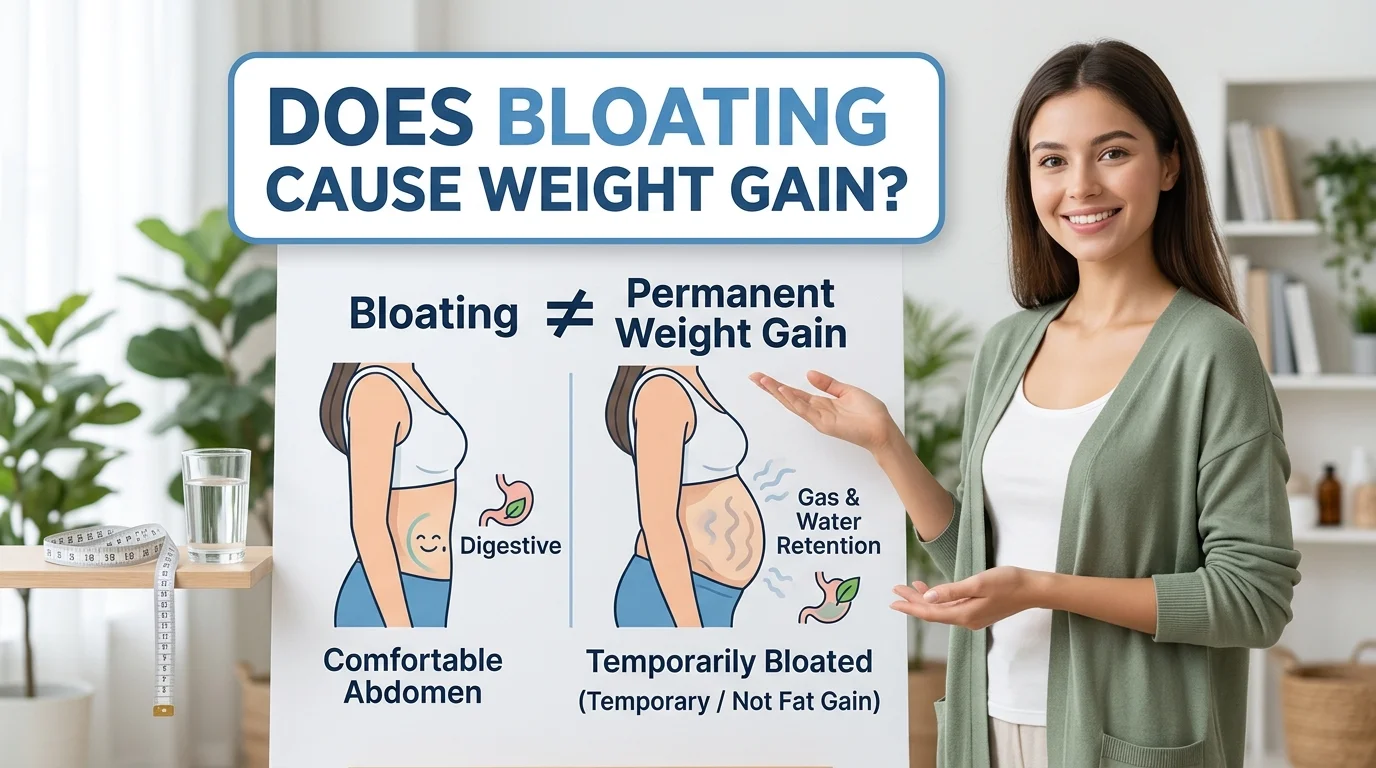
Bloating can make you feel heavier, look bigger around your stomach, and notice a temporary increase on the bathroom scale. If your clothes suddenly feel tighter or your belly looks swollen after eating, you might wonder: does bloating cause weight gain? The good news is that bloating does not usually cause actual body fat gain. However, it can make your weight fluctuate temporarily.
Bloating and weight gain are two different things, even though they can happen at the same time. Bloating often develops when gas, fluid, or digestive contents build up in your gastrointestinal tract. Actual weight gain, on the other hand, happens when your body stores additional mass, including body fat, over time.
Understanding the difference between bloating and weight gain can help you avoid unnecessary worry and make better decisions about your digestive health. Whether you experience bloating after meals, during your menstrual cycle, or throughout the day, knowing what causes it can help you find practical ways to feel more comfortable.
In this guide, you will learn whether bloating causes weight gain, how much weight bloating can add, why your stomach sometimes looks bigger, and how to tell if you are bloated or gaining fat.
Does Bloating Cause Weight Gain?
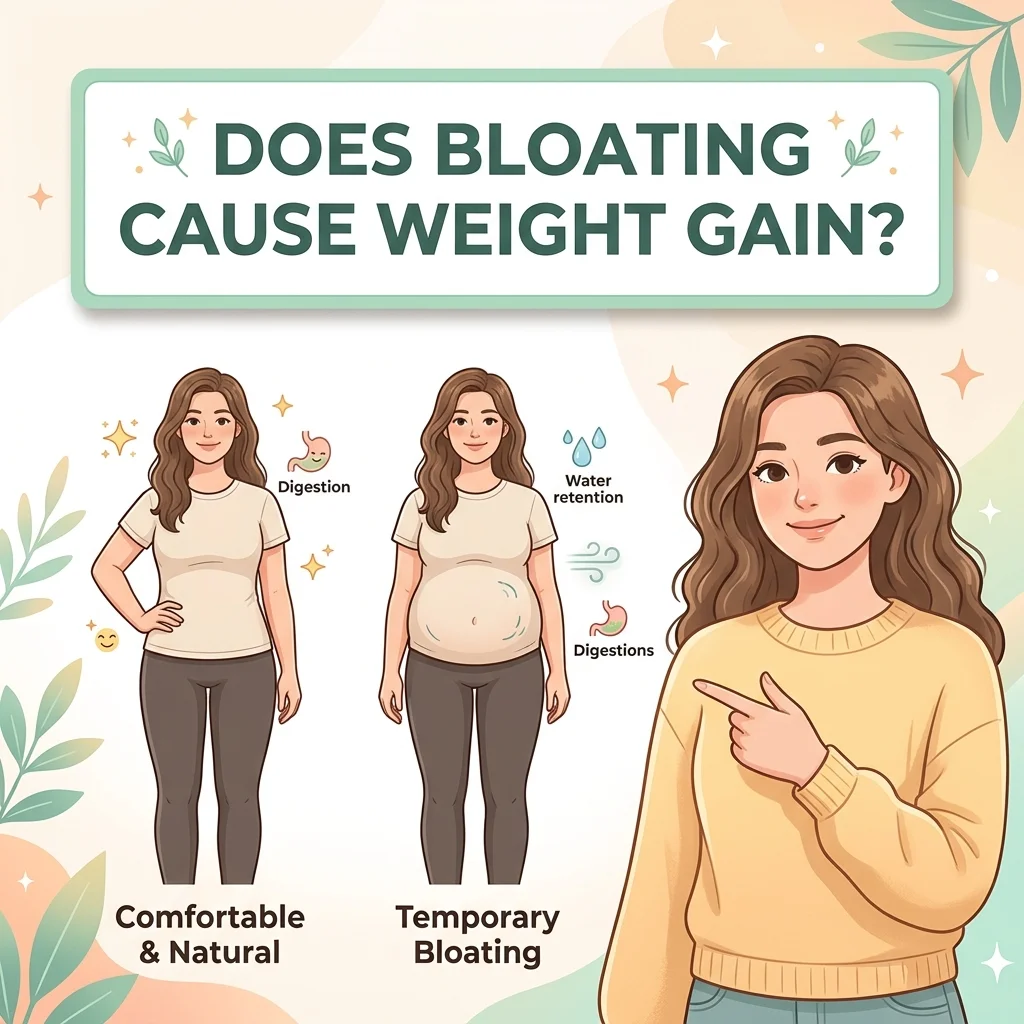
The short answer is that bloating can cause temporary weight gain on the scale, but it does not directly cause body fat gain.
When your digestive system contains excess gas, stool, or fluid, your abdomen may expand. You might also notice a higher number on the scale. These changes can make it seem as though you have gained weight overnight, even when your body fat has not changed.
For example, imagine weighing yourself in the morning and seeing 65 kg. After eating several meals, drinking water, and experiencing digestive bloating, the scale might show a higher number later in the day. This does not automatically mean you have gained fat.
There are several reasons why bloating and weight gain can happen together:
- Gas buildup: Gas collects in your digestive tract and makes your stomach feel full or swollen.
- Water retention: Hormonal changes or salty meals can cause your body to hold extra water.
- Constipation: Stool buildup can increase abdominal fullness and temporarily affect your weight.
- Food volume: Recently eaten food and drinks add temporary weight while your digestive system processes them.
Therefore, if you are wondering, can bloating cause weight gain, remember that temporary digestive changes are not the same as long-term fat accumulation.
What Is Bloating and Why Does It Happen?
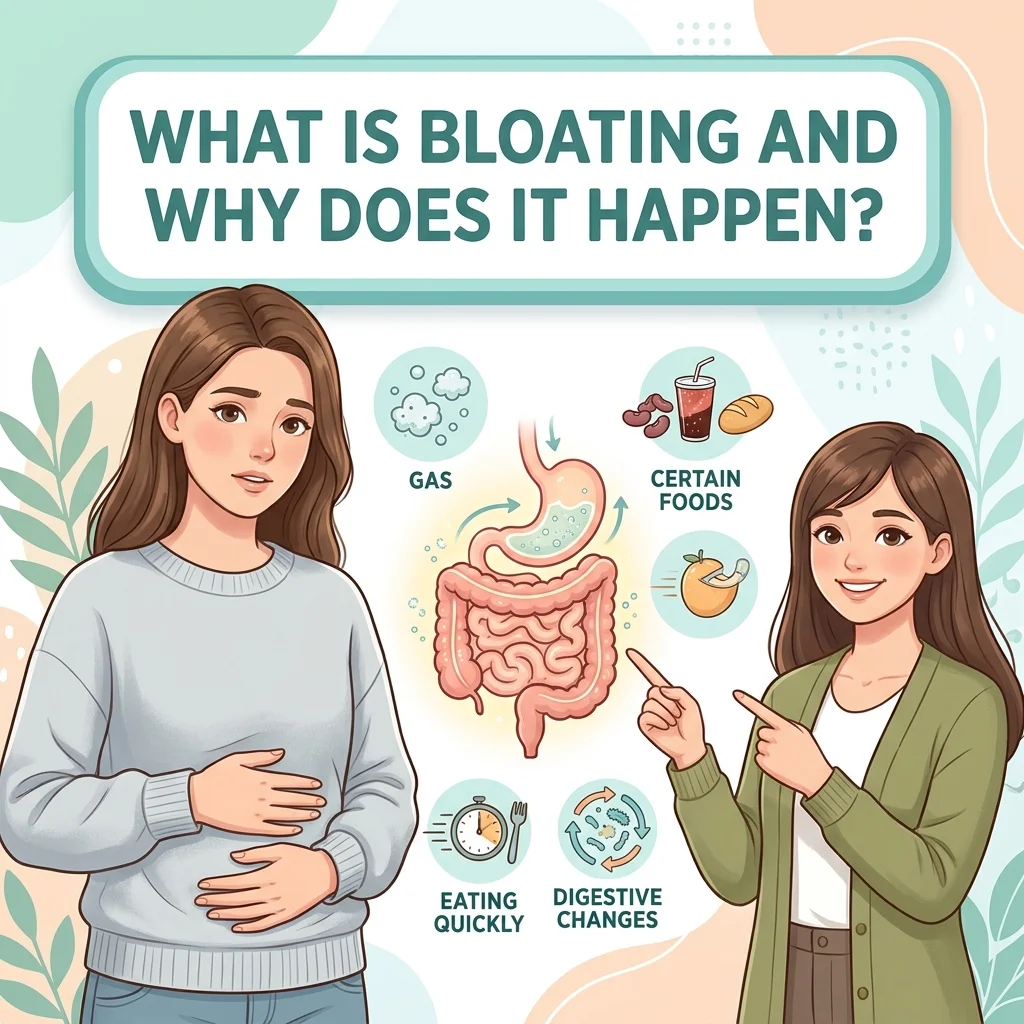
Bloating is a feeling of fullness, tightness, or pressure in your abdomen. Your stomach may look larger than usual, and you might experience discomfort after eating.
Some people describe bloating as having a heavy stomach. Others notice that their waistband feels tighter or that their belly becomes visibly swollen throughout the day.
Bloating can happen occasionally or regularly. It may develop after eating certain foods, drinking carbonated beverages, swallowing air, or experiencing changes in digestion.
Common Symptoms of Bloating
Bloating does not look or feel the same for everyone. Some people experience mild discomfort, while others have noticeable abdominal swelling.
Common symptoms include:
- A full or tight feeling in the stomach.
- Visible swelling around the abdomen.
- Excessive burping or passing gas.
- Stomach rumbling and digestive noises.
- Abdominal pressure or mild pain.
- Feeling uncomfortable after eating.
- Changes in bowel movements.
- Clothes feeling tighter around the waist.
You may experience several symptoms together. For example, eating a large meal can leave you feeling unusually full while also causing temporary abdominal distension.
What Causes Your Stomach to Bloat?
Several factors can contribute to bloating. Understanding the possible causes can help you identify patterns and make useful changes.
1. Excess Gas in the Digestive System
Gas is one of the most common causes of bloating. It develops when you swallow air or when bacteria in your intestines break down certain foods.
Beans, lentils, cabbage, and onions can increase gas production. Carbonated drinks can also introduce additional gas into your digestive system.
2. Eating Too Quickly
When you eat quickly, you may swallow more air than usual. This can contribute to gas, burping, and abdominal discomfort.
Chewing food properly and slowing down during meals may help reduce these symptoms.
3. Constipation
Constipation occurs when bowel movements become less frequent or stools become difficult to pass.
When stool remains in your colon, you may experience pressure, fullness, and abdominal swelling. This explains why people sometimes ask, can constipation cause weight gain?
Constipation can temporarily increase scale weight because stool remains inside the digestive tract. However, it does not directly increase body fat.
4. Food Intolerances
Some people have difficulty digesting particular ingredients.
For example, individuals with lactose intolerance may experience bloating, gas, and diarrhea after consuming milk or other dairy products.
Other possible triggers include certain carbohydrates that are poorly absorbed in the small intestine.
5. Hormonal Changes
Hormonal fluctuations can influence digestion and fluid balance.
Many women experience bloating before or during menstruation. Changes in reproductive hormones can contribute to water retention and digestive discomfort.
6. Digestive Conditions
Conditions such as irritable bowel syndrome (IBS), celiac disease, and other digestive disorders can cause recurring bloating.
If your symptoms happen frequently, a healthcare professional can help identify whether an underlying condition is responsible.
Can Bloating Make You Look Like You Gained Weight?
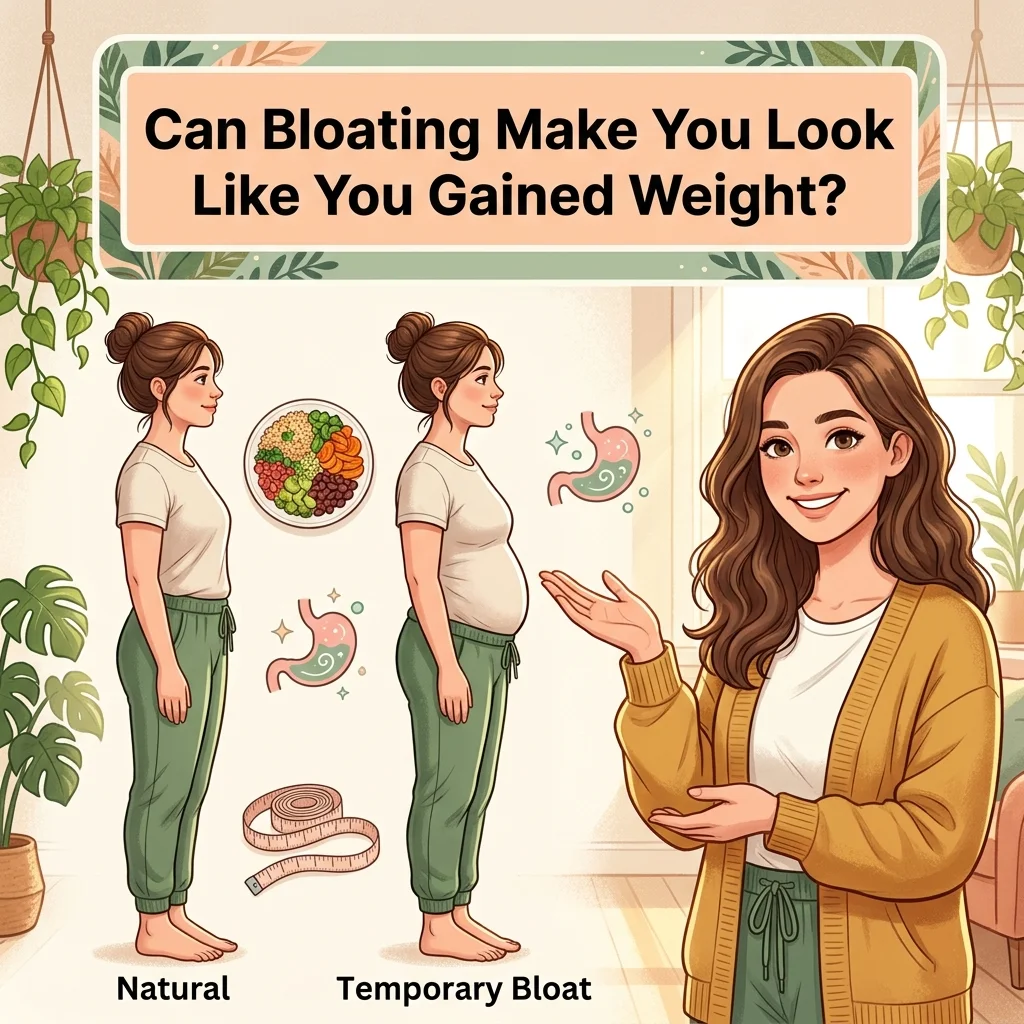
Yes. Bloating can make your stomach look noticeably larger, even if you have not gained body fat.
This happens because your abdomen can expand when gas, stool, or other digestive contents accumulate. The visible change may affect how your clothes fit and how you feel about your appearance.
For example, you might wake up with a relatively flat stomach but notice a rounder abdomen after lunch or dinner. This type of change is common because your digestive system becomes fuller as you eat and drink throughout the day.
This is why many people search for can bloating make you look fat. The answer is yes, temporarily, but the appearance of a larger stomach does not automatically indicate fat accumulation.
Why Your Belly Looks Bigger When You Are Bloated
There are several explanations for a swollen-looking stomach.
- Trapped gas: Gas can stretch the digestive tract and increase abdominal pressure.
- Digestive contents: Food and liquids temporarily occupy space inside your gastrointestinal system.
- Constipation: Accumulated stool can contribute to abdominal fullness.
- Fluid retention: Hormonal changes and other factors can cause temporary swelling.
- Digestive sensitivity: Some people experience uncomfortable bloating even without a large increase in abdominal size.
It is also important to understand the difference between bloating and abdominal distension.
Bloating describes the sensation of fullness or pressure. Distension refers to an actual increase in abdominal size. You can experience bloating without visible swelling, and some people experience both together.
Does Bloating Make Your Clothes Feel Tighter?
Yes. When your abdomen expands, your trousers, jeans, or fitted clothing may feel tighter around your waist.
This does not necessarily mean your waist has permanently increased in size.
If your clothes fit comfortably in the morning but feel tight after meals, digestive bloating may be contributing to the difference.
However, if your waist measurement continues increasing over several weeks or months, it is worth considering other explanations, including changes in body fat, fluid retention, or an underlying health condition.
How Much Weight Can Bloating Add Temporarily?
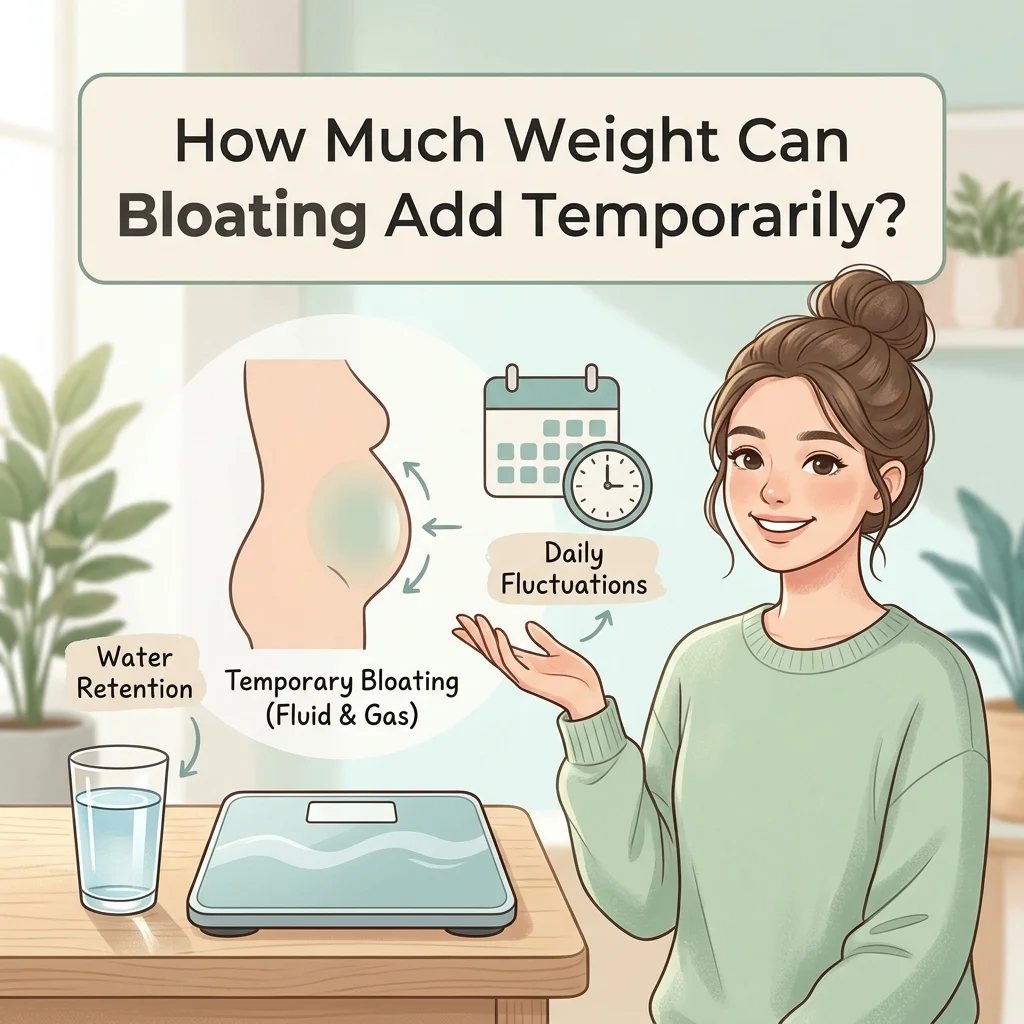
There is no fixed amount of weight that bloating adds because the number depends on its underlying cause.
Gas alone generally has very little effect on your overall body weight. However, constipation, food volume, and fluid retention can contribute to temporary changes on the scale.
For example, if you eat a large meal and drink several glasses of water, your body temporarily carries the weight of that food and liquid.
Why Your Weight Changes Throughout the Day
Your body weight naturally fluctuates throughout the day.
Some common reasons include:
- Eating meals and snacks.
- Drinking water and other beverages.
- Retaining water after consuming salty foods.
- Changes in carbohydrate intake.
- Having a bowel movement.
- Digestive contents moving through your intestines.
- Hormonal changes during the menstrual cycle.
These factors can cause short-term changes without indicating meaningful changes in body fat.
Does Water Retention Cause Weight Gain?
Yes. Water retention can increase your actual scale weight temporarily.
Your body needs water to maintain normal functions, including circulation, temperature regulation, and digestion. However, certain factors can cause it to hold more fluid than usual.
Common contributors include eating foods high in sodium, hormonal fluctuations, certain medications, and some medical conditions.
For example, you may notice temporary puffiness after eating a particularly salty meal. This is related to fluid balance rather than an immediate increase in body fat.
This explains the connection between bloating and water retention. Both can make you feel heavier, but they are not necessarily the same condition.
Persistent or sudden fluid-related weight gain deserves medical attention, especially when accompanied by swollen legs or shortness of breath.
Bloating vs. Weight Gain: What Is the Difference?
Bloating and weight gain can make your abdomen look bigger, but they happen for different reasons.
Understanding bloating vs. weight gain can help you avoid confusing a temporary stomach problem with an actual change in body composition.
| Feature | Bloating | Actual Weight Gain |
| Main cause | Gas, digestive contents, or fluid | Increased body mass |
| Appearance | Temporary abdominal swelling | May involve lasting changes in body size |
| Timing | Can change within hours | Usually develops over time |
| Stomach feeling | Full, tight, or uncomfortable | May not cause discomfort |
| Waist measurement | Can fluctuate | May increase gradually |
| Common triggers | Certain foods, constipation, hormones | Long-term energy surplus, medications, or health conditions |
| Duration | Often temporary | May persist without changes in the underlying cause |
How to Tell If You Are Bloated or Gaining Fat
Although there is no perfect home test, certain patterns can help you understand what may be happening.
1. Pay Attention to How Quickly Your Stomach Changes
Bloating can develop within hours, particularly after meals. Body fat does not normally appear or disappear that quickly.
If your stomach looks noticeably different between morning and evening, digestive changes may be involved.
2. Notice Whether Your Stomach Feels Uncomfortable
Bloating often comes with pressure, gas, tightness, or digestive discomfort.
Body fat accumulation generally does not cause these sensations by itself.
3. Observe Your Weight Over Time
A single scale reading cannot tell you whether you have gained body fat.
Instead, look at consistent measurements taken under similar conditions. A gradual upward trend over several weeks may suggest a longer-term weight change.
4. Consider Your Eating Habits
Large meals, carbonated beverages, and foods that trigger digestive symptoms may contribute to bloating.
However, consistently consuming more calories than your body uses can contribute to body fat gain over time.
5. Notice Whether Your Symptoms Improve
Bloating often improves after passing gas, having a bowel movement, or allowing time for digestion.
Actual body fat does not disappear after these activities.
If you are unsure whether you have a bloated stomach vs. belly fat, speak with a healthcare professional if the symptoms are persistent or unexplained.
What Foods Can Cause Bloating and Temporary Weight Changes?
Certain foods can increase gas production, slow digestion, or contribute to fluid retention.
However, not everyone reacts to the same foods. A meal that causes bloating in one person may be perfectly comfortable for someone else.
Here are some common food categories that may contribute to bloating.
1. Beans and Lentils
Beans and lentils are nutritious foods that provide fiber and plant-based protein. However, they contain carbohydrates that intestinal bacteria ferment during digestion.
This process produces gas, which can lead to bloating.
You do not necessarily need to eliminate these foods. Try smaller portions and increase your fiber intake gradually.
2. Carbonated Drinks
Soda, sparkling water, and other fizzy beverages contain dissolved carbon dioxide.
Drinking them can introduce additional gas into your digestive system, potentially causing burping and abdominal fullness.
If carbonated drinks regularly make you uncomfortable, try replacing them with still water.
3. Dairy Products
Milk, ice cream, and some dairy products contain lactose.
People with lactose intolerance may not produce enough lactase, the enzyme needed to digest lactose properly.
Undigested lactose can lead to gas, bloating, stomach cramps, and diarrhea.
4. Salty Foods
Processed foods, packaged snacks, instant noodles, and fast food can contain substantial amounts of sodium.
Consuming too much sodium may cause your body to retain additional water.
This can temporarily increase your weight and make you feel puffy.
5. Cruciferous Vegetables
Broccoli, cauliflower, Brussels sprouts, and cabbage contain fiber and certain carbohydrates that can increase gas production.
These vegetables are nutritious, so eliminating them is not necessary for everyone.
6. Artificial Sweeteners
Some sugar substitutes, including sorbitol and other sugar alcohols, can cause digestive symptoms.
They may be present in sugar-free candies, chewing gum, protein products, and diet beverages.
7. Highly Processed Foods
Some highly processed foods contain large amounts of sodium, added sugars, and ingredients that may trigger digestive symptoms.
Choosing minimally processed foods more often may support better overall digestive health.
Can Bloating Cause Weight Gain in Your Stomach?
Bloating can make your stomach appear larger, but it does not automatically increase the amount of fat around your abdomen.
Several processes can change your abdominal appearance.
Gas-Related Abdominal Swelling
When gas builds up in your intestines, it can stretch the digestive tract and create pressure.
Your abdomen may look rounder or feel harder than usual. This is one reason people search for does bloating cause belly fat.
The answer is no. Gas-related abdominal swelling is not the same as belly fat.
Constipation-Related Swelling
Constipation can make your stomach look and feel larger.
When stool moves slowly through your digestive system, it can accumulate in the colon. This may cause abdominal pressure, discomfort, and temporary weight changes.
Hormonal Bloating
Hormonal bloating is particularly common around menstruation.
Changes in hormone levels can affect fluid balance and digestive activity. As a result, some women experience a swollen stomach, breast tenderness, and temporary weight fluctuations.
Does Bloating Cause Weight Gain Overnight?
Bloating can contribute to an overnight increase on the scale, but this does not mean you have gained body fat overnight.
Your weight can change between bedtime and the following morning because of food intake, fluid balance, digestion, and bowel movements.
For example, you may eat a large dinner containing significant sodium, drink several glasses of water, and experience digestive discomfort.
The number on the scale may be higher than expected. However, this increase does not automatically represent fat gain.
If you are wondering why am I bloated but not gaining weight, remember that bloating can change your abdominal appearance without producing a meaningful change in body fat.
Should You Worry About Daily Weight Fluctuations?
Usually, there is no reason to panic about small daily changes.
Your body weight naturally moves up and down. These fluctuations are especially noticeable when you change your eating habits, exercise routine, sodium intake, or hydration.
If you want to monitor your weight, try weighing yourself at the same time each morning, after using the bathroom, and before eating breakfast.
Look at the overall trend instead of reacting to every reading.
How to Reduce Bloating and Feel Lighter
If bloating makes your stomach uncomfortable, several everyday habits may help.
The best approach depends on the underlying cause. A strategy that works for constipation may not help someone whose symptoms come from lactose intolerance.
1. Eat Smaller Meals
Large meals can make your digestive system feel overloaded.
Instead of eating one or two very large meals, consider having smaller meals throughout the day.
Eat slowly and give yourself enough time to chew your food properly.
2. Drink Enough Water
Staying hydrated supports normal digestion and helps prevent dehydration.
Water is particularly important when you increase your fiber intake because fiber works best when you consume enough fluids.
3. Walk After Eating
A gentle walk after meals can support normal digestive movement.
Even a short walk may help you feel more comfortable after eating.
4. Reduce Carbonated Beverages
If fizzy drinks make your stomach feel swollen, consider reducing your intake.
Try still water or other non-carbonated drinks and observe whether your symptoms improve.
5. Increase Fiber Gradually
Fiber supports digestive health and helps maintain regular bowel movements.
Good sources include oatmeal, apples, carrots, chia seeds, beans, lentils, and whole grains.
Introduce higher-fiber foods gradually and drink enough water.
6. Identify Your Food Triggers
Keeping a food diary can help you understand which meals make your symptoms worse.
Write down what you eat, when bloating develops, and how long it lasts.
Avoid eliminating entire food groups without a good reason.
7. Limit Excess Sodium
High-sodium foods can contribute to water retention.
Try reducing your intake of heavily processed snacks, packaged soups, salty sauces, and fast food.
8. Avoid Eating Too Quickly
Eating quickly can cause you to swallow more air.
Chewing thoroughly, taking smaller bites, and avoiding unnecessary talking while chewing may help reduce swallowed air.
9. Manage Stress
Stress can influence digestive activity and make some gastrointestinal symptoms more noticeable.
Support your general well-being through regular exercise, adequate sleep, relaxation techniques, and consistent meal routines.
10. Avoid Unnecessary Laxatives and Detox Products
Detox teas, laxatives, and restrictive diets are not reliable solutions for ordinary bloating.
Unnecessary laxative use can cause diarrhea, dehydration, and electrolyte problems.
Instead, identify the underlying cause and choose an appropriate treatment.
How Long Does Bloating-Related Weight Gain Last?
The duration of bloating depends on what is causing it.
Mild bloating after a large meal may improve as your body digests the food. Gas-related symptoms may settle after passing gas or having a bowel movement.
Other causes can take longer to resolve.
| Cause of Bloating | Possible Duration |
| Large meals | Often improves as digestion progresses |
| Trapped gas | May improve after passing gas |
| Constipation | Can continue until bowel movements improve |
| Food intolerance | May return after eating the triggering food |
| Menstrual changes | Often improves during or after the period |
| Digestive disorders | May recur or persist without appropriate management |
| Fluid retention | Depends on the underlying cause |
These are general patterns, not guaranteed timelines.
Does Your Weight Return to Normal After Bloating Goes Away?
Your scale weight may return toward its previous level when the temporary cause resolves.
For example, passing gas, having a bowel movement, or losing excess retained fluid can reduce temporary abdominal fullness and scale weight.
However, the result depends on what caused the change in the first place.
If your weight remains elevated over time, bloating may not be the only explanation.
Can Exercise Help Reduce Bloating?
Yes. Physical activity can help some people manage bloating, particularly when constipation or sluggish digestion contributes to their symptoms.
Walking
Walking is one of the simplest activities to try.
A gentle walk after eating may help you feel less uncomfortable and support normal bowel movements.
Yoga
Some gentle yoga movements may help relieve abdominal tension and discomfort.
Examples include child’s pose, cat-cow stretch, gentle seated twists, and knees-to-chest stretch.
Strength Training
Regular strength training supports muscle health, physical function, and long-term weight management.
It does not directly remove trapped gas or instantly flatten a bloated stomach.
Should You Exercise When You Are Bloated?
Light movement is generally reasonable if your symptoms are mild.
However, avoid intense exercise if you have significant abdominal pain, vomiting, dizziness, or other concerning symptoms.
When Should You See a Doctor About Bloating?
Occasional bloating is common. However, persistent or unexplained abdominal swelling should not be ignored.
Contact a healthcare professional if you experience:
- Frequent bloating that does not improve.
- Persistent abdominal pain.
- Unexplained weight loss.
- Blood in your stool.
- Repeated vomiting.
- Ongoing diarrhea or constipation.
- A noticeable lump or swelling in your abdomen.
- Significant changes in bowel habits.
Seek emergency medical care if you experience sudden, severe abdominal pain, vomiting blood, serious breathing difficulties, or abdominal swelling accompanied by an inability to pass stool or gas.
Frequently Asked Questions About Bloating and Weight Gain
1. Does Bloating Cause Permanent Weight Gain?
No. Ordinary digestive bloating does not directly cause permanent body fat gain. It usually results from temporary gas, digestive contents, or fluid-related changes.
2. Can Bloating Make You Look 10 Pounds Heavier?
Bloating can make your stomach look noticeably larger, but there is no standard amount of weight or abdominal swelling associated with it. A 10-pound increase should not automatically be blamed on bloating.
3. Why Do I Look Pregnant When I Am Bloated?
Severe abdominal bloating or distension can make your stomach appear rounded or enlarged. Gas, constipation, digestive conditions, and fluid accumulation may contribute.
4. Does Bloating Increase Belly Fat?
No. Bloating does not directly increase belly fat. It changes the appearance or sensation of your abdomen through gas, fluid, or digestive contents.
5. Can Constipation Cause Weight Gain?
Yes. Constipation can cause abdominal swelling and temporarily increase scale weight because stool remains in the digestive tract. Improving bowel regularity may reduce these symptoms.
6. Can Drinking Water Reduce Bloating?
Drinking enough water can help support digestion and prevent constipation. However, water does not immediately remove all types of bloating.
7. Does Bloating Mean I Am Eating Too Much?
Not necessarily. Bloating can happen after normal-sized meals and may be related to food intolerance, swallowed air, constipation, or digestive conditions.
8. Why Is My Stomach Flat in the Morning but Bloated at Night?
Your digestive system processes food and drinks throughout the day. Gas, food volume, and bowel contents can accumulate, making your abdomen look larger by evening.
9. Can Hormonal Changes Cause Bloating and Weight Gain?
Yes. Hormonal changes can influence fluid retention and digestion, particularly around menstruation and during menopause. These changes may cause temporary scale fluctuations.
10. Does Losing Weight Get Rid of Bloating?
Not necessarily. Losing body fat does not automatically resolve digestive bloating. If the problem comes from constipation, food intolerance, or IBS, you need to address the underlying cause.
11. Can Stress Cause Bloating?
Yes. Stress can affect digestive activity and may worsen symptoms in people with sensitive digestive systems. Managing stress may help, but recurring symptoms should not automatically be attributed to stress.
12. Is Bloating a Sign of Weight Loss?
No. Bloating is not a reliable sign of weight loss. Changes in abdominal appearance may reflect digestive activity rather than changes in body fat.
Final Thoughts:
So, does bloating cause weight gain? Bloating can temporarily increase your scale weight and make your stomach look bigger, but it does not directly cause body fat gain. Gas, constipation, food volume, and fluid retention are common reasons your abdomen may feel swollen. These changes can affect your appearance and comfort without representing permanent weight gain.
The best way to manage bloating is to understand its cause. Eat balanced meals, drink enough water, stay physically active, and pay attention to foods that trigger your symptoms. Most importantly, do not judge your progress based on one scale reading or how your stomach looks after a meal. Focus on longer-term patterns and your overall health. If bloating is persistent, painful, or accompanied by unexplained weight changes, consult a healthcare professional to rule out an underlying condition.

I am James Carter, a passionate writer dedicated to creating informative, engaging, and valuable content for readers. I enjoy exploring different topics, researching new ideas, and sharing knowledge through clear and meaningful writing. I am committed to providing accurate information, helpful insights, and well-crafted articles that inspire and educate audiences. With a strong focus on quality and creativity, I aim to connect with readers and deliver content that adds real value.