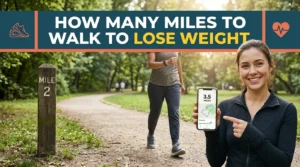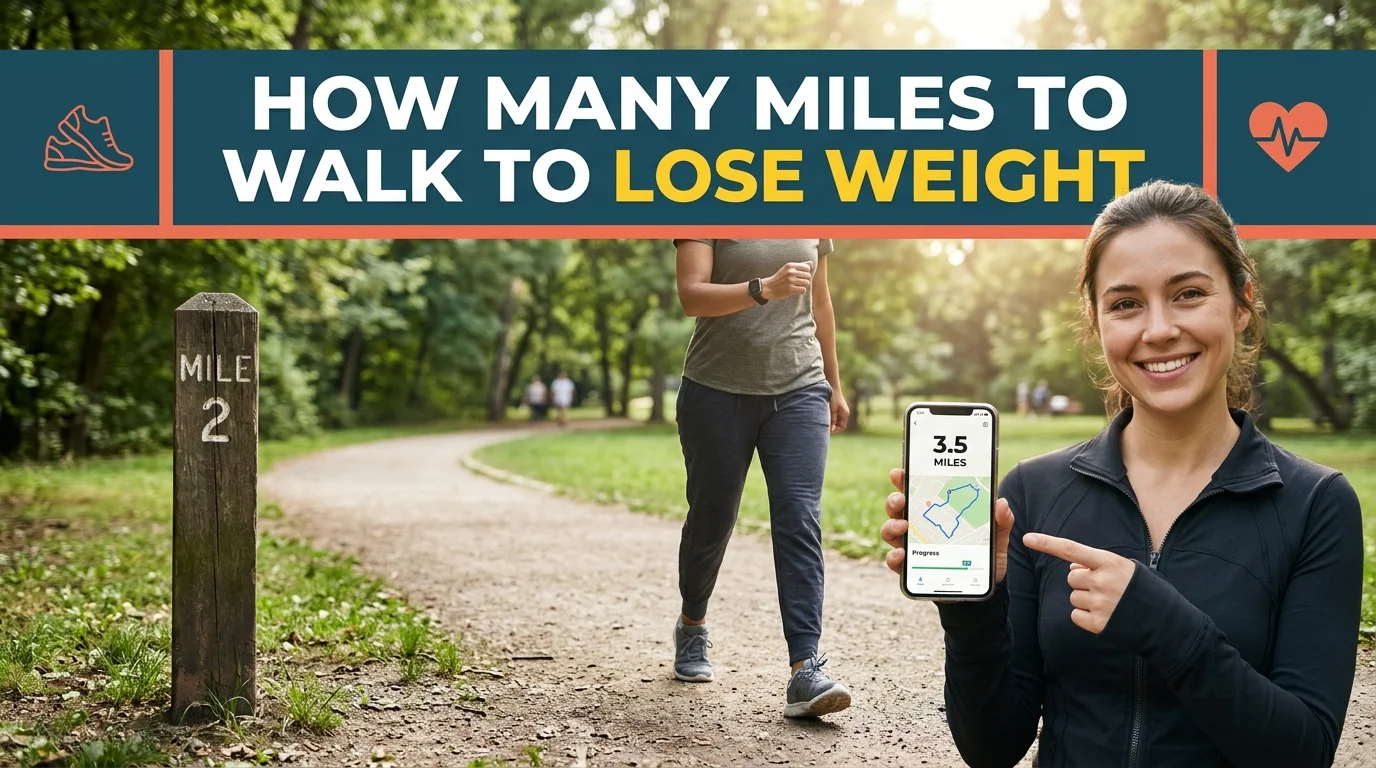
Walking is one of the most practical ways to increase physical activity, burn calories, and support healthy weight management. You don’t need a gym membership, expensive equipment, or an intense workout routine to get started. A comfortable pair of walking shoes and a realistic daily schedule can help you build a habit that lasts.
But how many miles to walk to lose weight is a question many beginners ask. Should you walk 1 mile, 2 miles, or 5 miles every day? Does walking 3 miles a day provide enough activity? And how long does it take to notice changes in your weight?
For many adults, walking 2–4 miles on most days can be a useful activity goal. However, there is no single distance that guarantees weight loss. Your results depend on your body weight, walking pace, food intake, current fitness level, and overall lifestyle.
The good news is that you don’t need to start with long walks. You can begin with 10–15 minutes and gradually increase your distance as your endurance improves.
This guide explains how many miles you should walk daily to lose weight, how many calories walking burns, how to choose a suitable walking distance, and how to create a practical four-week walking plan.
How Many Miles Should You Walk to Lose Weight?
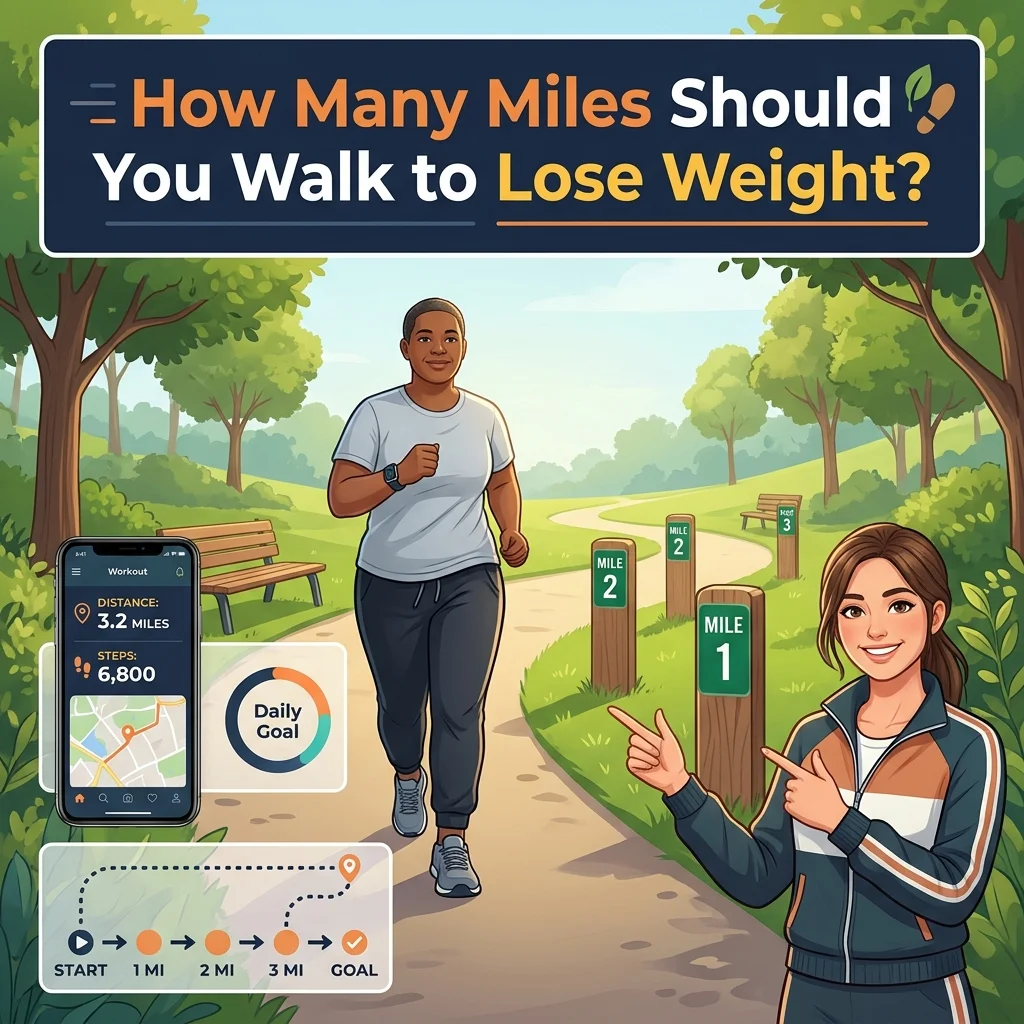
For many adults, walking 2–4 miles per day on most days of the week can be a reasonable goal for supporting weight loss. Beginners may benefit from starting with just 1 mile or a shorter walk before increasing their distance.
The ideal walking distance depends on how active you are, how much time you have, and how comfortably you can walk.
Here is a general guide:
| Fitness level | Suggested daily distance | Approximate walking time |
| Beginner | 0.5–1 mile | 10–25 minutes |
| Lightly active | 1–2 miles | 20–40 minutes |
| Moderately active | 2–3 miles | 40–60 minutes |
| Regular walker | 3–4 miles | 50–80 minutes |
| Experienced walker | 4–5 miles | 65–100 minutes |
These are practical examples rather than medically established weight-loss targets. Walking time also depends on your speed and terrain.
If you currently exercise very little, start with a distance that feels manageable. You can increase your walking time gradually instead of forcing yourself to complete several miles immediately.
What Is the Minimum Walking Distance for Weight Loss?
There is no official minimum number of miles you must walk to lose weight.
Even a 10-minute walk can increase your daily activity. If you are currently inactive, starting with a short walk may be more beneficial than attempting a demanding routine that you cannot maintain.
For example, you could walk for 10 minutes in the morning and another 10 minutes in the evening. As your endurance improves, increase the duration.
The important thing is to build a routine that you can follow consistently.
How Does Walking Help You Lose Weight?
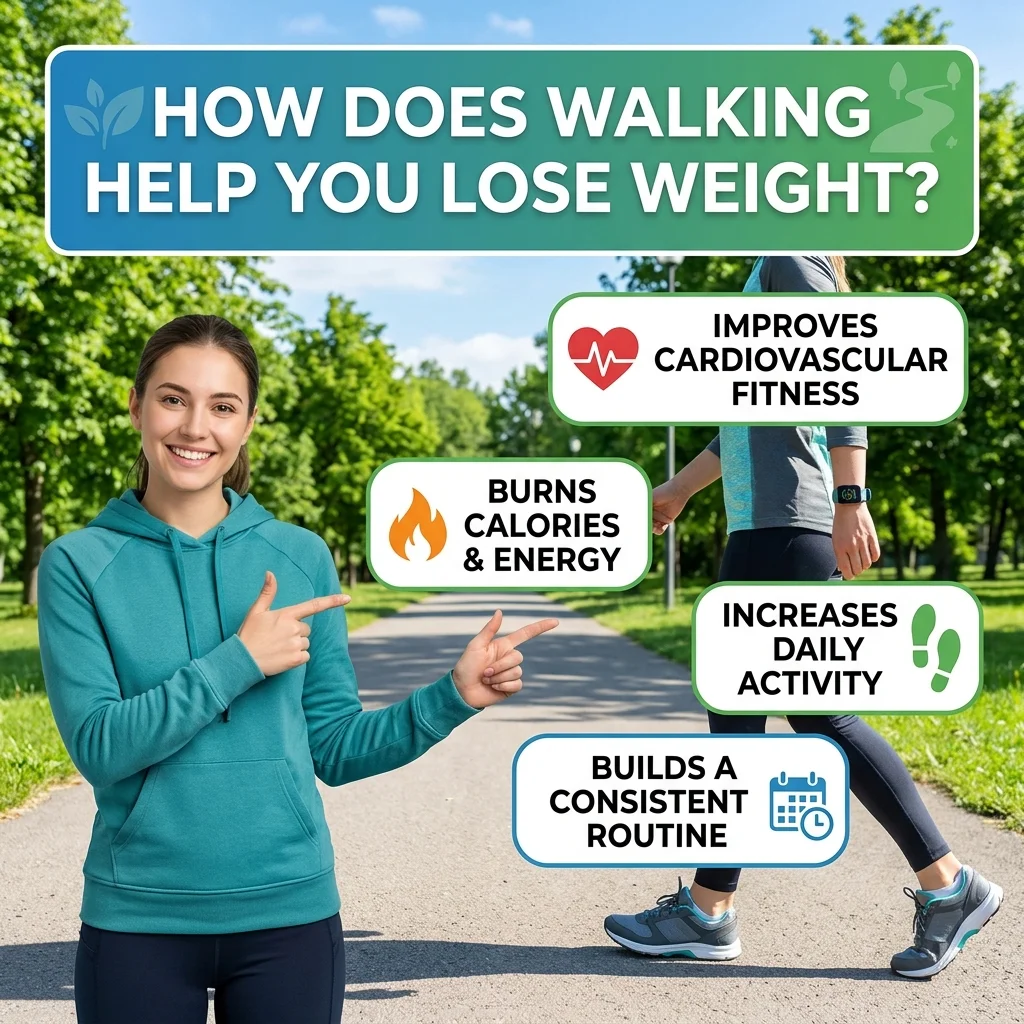
Walking supports weight loss by increasing the energy your body uses. When you move your muscles, your body requires additional energy to perform the activity.
However, walking does not automatically cause weight loss. You generally need to maintain a calorie deficit, meaning your body uses more energy than you consume over time.
The CDC explains that physical activity combined with reducing calorie intake can create the calorie deficit needed for weight loss. It also emphasizes the importance of regular activity for maintaining weight loss.
Walking Increases Daily Calorie Expenditure
Your body burns calories even when you’re resting. Walking increases your energy expenditure because your muscles work harder to move your body.
The longer you walk, the more energy you generally use. Walking speed, body weight, hills, and terrain also affect the amount.
For example, a brisk 30-minute walk uses more energy than sitting on the couch for the same period.
Walking Supports Overall Fat Loss
Walking can contribute to reducing overall body fat when combined with appropriate nutrition.
However, you cannot control exactly where your body loses fat. Walking does not specifically target belly fat, thigh fat, or arm fat.
Your body determines where it stores and loses fat based on several factors, including genetics, hormones, and overall energy balance.
Walking Improves Cardiovascular Fitness
Regular walking makes your heart work harder and can improve cardiovascular endurance.
It can also help you become more comfortable with everyday activities such as climbing stairs, shopping, and walking longer distances.
Walking Can Support Better Sleep and Mood
Physical activity can improve your mood and support healthy sleep habits.
A relaxing walk after a busy day may help you reduce stress and spend less time sitting.
These lifestyle benefits can make it easier to maintain a consistent weight-management routine.
How Many Calories Do You Burn Walking One Mile?
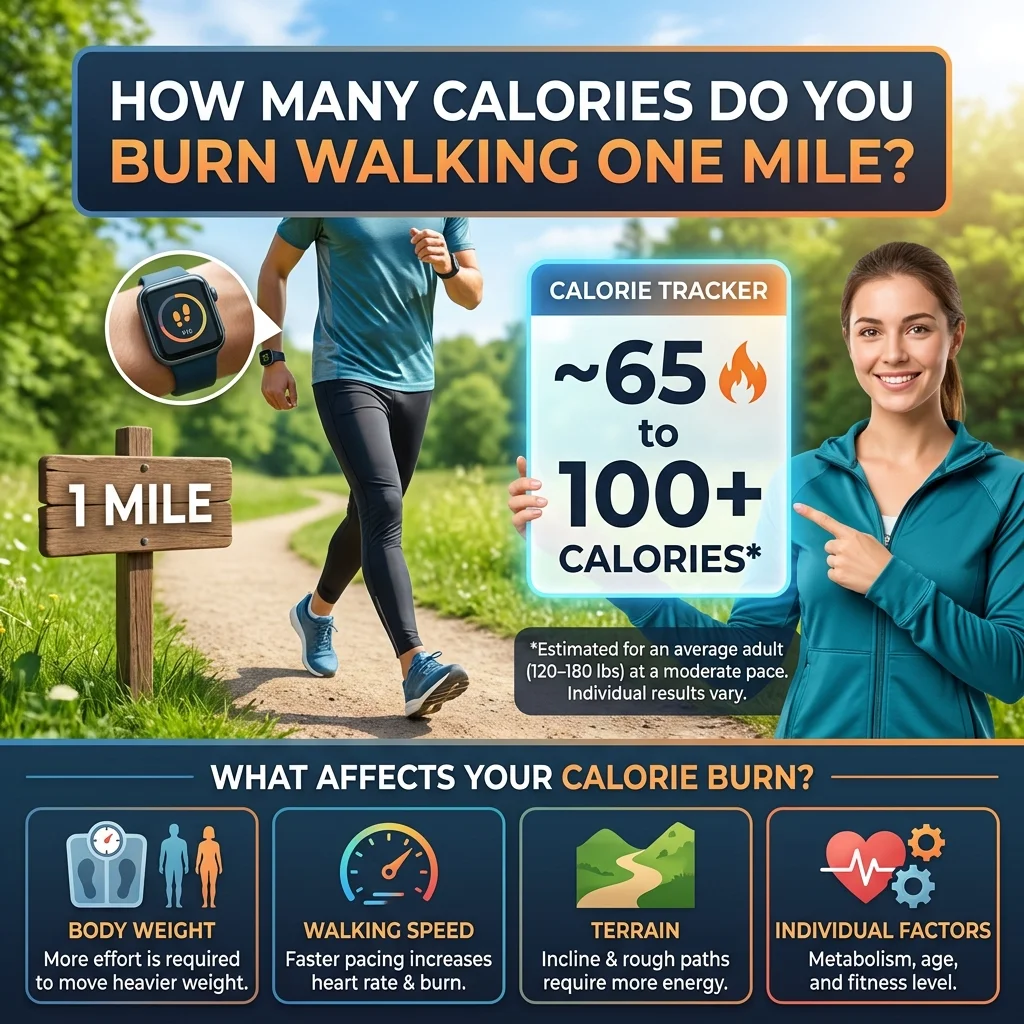
One of the most common questions about walking for weight loss is how many calories does walking a mile burn?
The answer varies because everyone has different physical characteristics and walking habits.
The main factors include:
- Your current body weight.
- Walking speed.
- Distance covered.
- Uphill or downhill terrain.
- Individual fitness and movement efficiency.
A heavier person generally uses more energy to walk the same distance than a lighter person at a similar pace.
For a useful reference, the CDC estimates that a person weighing approximately 154 pounds burns around 140 calories during 30 minutes of walking at 3.5 miles per hour. That’s approximately 80 calories per mile at that pace, although actual results vary.
Estimated Calories Burned at Different Walking Distances
The following table uses approximately 80 calories per mile as an illustrative example. It is not a personalized calorie prediction.
| Walking distance | Approximate calories |
| 1 mile | 80 |
| 2 miles | 160 |
| 3 miles | 240 |
| 4 miles | 320 |
| 5 miles | 400 |
Your actual calorie expenditure may be lower or higher.
Walking uphill, increasing your pace, or carrying additional weight can change the amount of energy your body uses.
Does Walking Speed Affect Calories Burned?
Yes. Walking speed affects both the intensity of your workout and the energy you use.
Here are some general walking speeds:
| Walking style | Approximate speed |
| Slow walking | 2 mph |
| Comfortable walking | 2.5 mph |
| Moderate walking | 3 mph |
| Brisk walking | 3.5 mph |
| Very brisk walking | 4 mph |
A useful way to recognize moderate-intensity walking is the talk test. You should be able to talk, but singing should feel difficult.
You don’t need to walk at your maximum speed. Choose a pace that challenges you while allowing you to maintain good form.
How Many Miles Should I Walk a Day to Lose Weight Based on My Fitness Level?
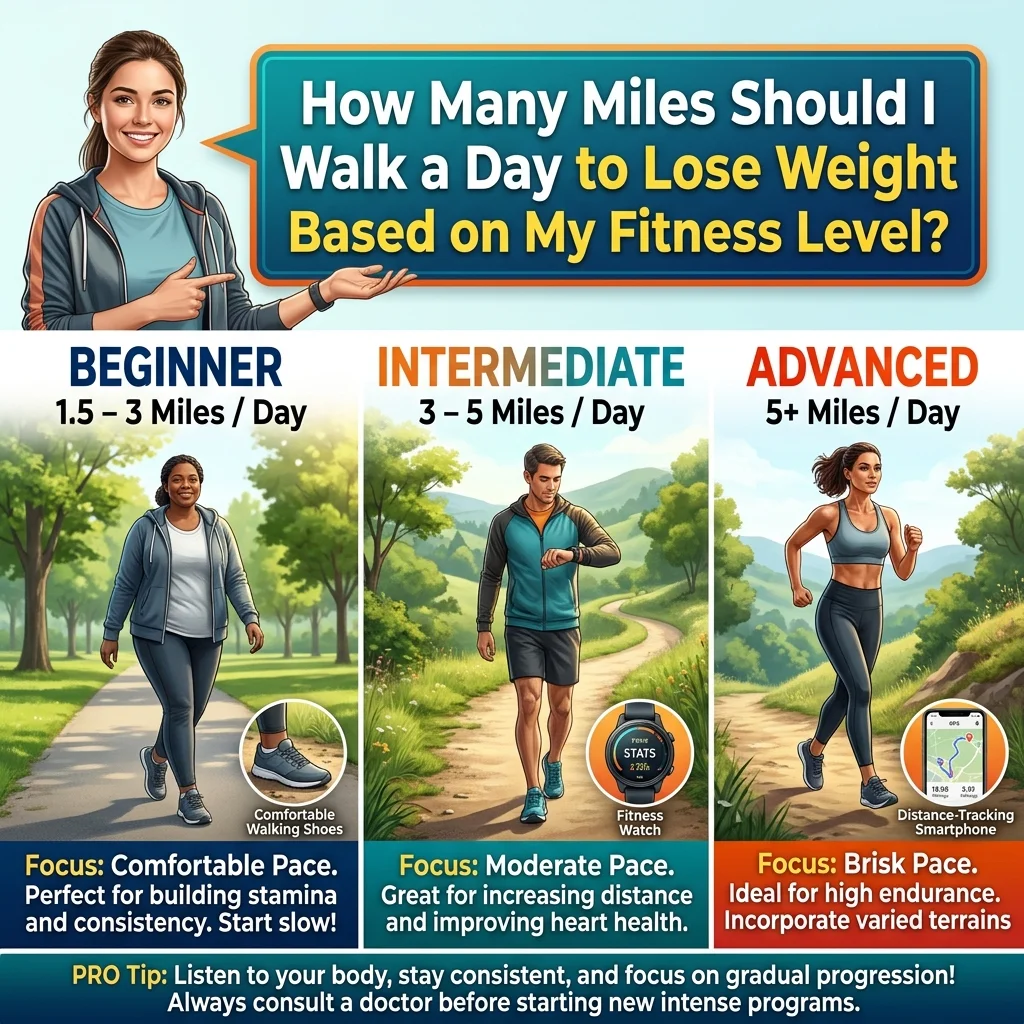
Your fitness level is more useful for choosing a starting walking distance than body weight alone.
Two people with the same weight may have very different endurance, mobility, and exercise experience.
Consider these examples:
Walking 1 Mile a Day
Walking 1 mile daily can be an excellent starting point for someone who is new to exercise.
It may take approximately 15–25 minutes, depending on your pace.
This distance can help you:
- Develop a regular walking habit.
- Increase your daily movement.
- Improve basic walking endurance.
- Reduce time spent sitting.
- Prepare for longer walks.
If one mile feels difficult, start with 10 minutes and increase your walking time gradually.
Walking 2 Miles a Day for Weight Loss
Walking 2 miles a day for weight loss can be a practical goal for people who already feel comfortable walking regularly.
At a pace of 3 miles per hour, two miles take approximately 40 minutes.
You can complete the distance in one session or divide it into two shorter walks.
For example:
- Walk 1 mile before breakfast.
- Walk another mile in the evening.
This approach can fit into a busy schedule without requiring a long workout.
Walking 3 Miles a Day for Weight Loss
Walking 3 miles a day can provide a meaningful amount of physical activity.
At a speed of 3 miles per hour, it takes approximately 60 minutes.
This distance may suit people who already have a regular walking routine and want to increase their daily activity.
However, it is not necessary to walk three miles every day to experience health benefits.
Walking 4 Miles a Day
Walking 4 miles can be a substantial workout for someone with reasonable endurance.
It may take approximately 65–80 minutes, depending on your pace.
If you want to reach this distance, build toward it gradually. Avoid increasing your mileage suddenly, particularly if you have not exercised regularly.
Walking 5 Miles a Day for Weight Loss
Walking 5 miles a day for weight loss may work for experienced walkers who have sufficient time and physical endurance.
At a pace of 3 miles per hour, five miles take approximately 100 minutes.
However, you do not need to walk five miles daily to lose weight.
If you experience persistent foot, knee, hip, or back pain, reduce your distance and allow your body to recover.
How Many Miles Should I Walk a Week to Lose Weight?
Your weekly walking distance depends on how many days you exercise and how long each session lasts.
For example, walking 2 miles on five days of the week gives you a total of 10 miles.
Here are some weekly examples:
| Daily distance | Walking days | Weekly distance |
| 1 mile | 5 days | 5 miles |
| 1.5 miles | 5 days | 7.5 miles |
| 2 miles | 5 days | 10 miles |
| 3 miles | 5 days | 15 miles |
| 4 miles | 5 days | 20 miles |
| 5 miles | 5 days | 25 miles |
These examples show how your weekly mileage changes with your daily routine.
The CDC recommends that adults get at least 150 minutes of moderate-intensity aerobic activity each week. Brisk walking is one way to meet this recommendation. Adults should also include muscle-strengthening activities at least two days per week.
This recommendation supports general health. Your individual weight-loss needs may require a different amount of activity, depending on your calorie intake and personal circumstances.
How Long Should I Walk to Lose Weight?
Your walking duration depends on the distance you want to cover and your pace.
Here is a time comparison:
| Distance | At 2.5 mph | At 3 mph | At 3.5 mph |
| 1 mile | 24 minutes | 20 minutes | 17 minutes |
| 2 miles | 48 minutes | 40 minutes | 34 minutes |
| 3 miles | 72 minutes | 60 minutes | 51 minutes |
| 4 miles | 96 minutes | 80 minutes | 69 minutes |
| 5 miles | 120 minutes | 100 minutes | 86 minutes |
These are estimates without long breaks.
If you have limited time, you can divide your walking sessions throughout the day. For example, three 10-minute walks can add up to 30 minutes of daily activity.
Is Walking 30 Minutes a Day Enough to Lose Weight?
Walking for 30 minutes a day can support weight management.
At a speed of 3 miles per hour, you can cover approximately 1.5 miles in half an hour.
The CDC’s recommendation of at least 150 minutes of moderate-intensity activity each week is a useful starting point for adults. However, reaching this minimum does not guarantee weight loss.
If your goal is to lose weight, you may need additional activity, changes to your food intake, or both.
Start with 30 minutes if that feels manageable. Increase your activity gradually as your fitness improves.
How Many Miles Do You Need to Walk to Lose 1 Pound?
You may have heard that losing one pound requires burning approximately 3,500 calories more than you consume.
This is a traditional estimate, not an exact rule for predicting weight loss.
Your body adapts to changes in calorie intake and activity. Your energy needs can change as your weight changes, which means real-world results are more complicated than a simple calculation.
For illustration, suppose you burn approximately 80 additional calories per mile.
| Walking distance | Estimated additional calories |
| 5 miles | 400 |
| 10 miles | 800 |
| 20 miles | 1,600 |
| 30 miles | 2,400 |
| 40 miles | 3,200 |
| 44 miles | 3,520 |
This example demonstrates how walking contributes to energy expenditure. It does not mean walking 44 miles guarantees one pound of fat loss.
Your food intake, appetite, metabolism, and other physical activities also affect your results.
For a more personalized estimate of calorie needs and weight goals, the NIH’s NIDDK offers a free Body Weight Planner for adults.
How Long Does It Take to Notice Weight-Loss Results From Walking?
There is no guaranteed timeline for seeing results.
Some people notice changes in their energy, mood, or walking endurance before they see a difference on the scale.
Your weight can also fluctuate because of water retention, digestion, sodium intake, and other factors.
Instead of expecting immediate changes, monitor your progress over several weeks.
You can track:
- Your weekly average body weight.
- Your waist measurement.
- Your walking distance.
- Your walking speed.
- Your energy levels.
- How comfortably your clothes fit.
The CDC notes that gradual weight loss of approximately 1–2 pounds per week is more likely to be maintained than rapid weight loss for many adults. Your healthy rate of progress may differ.
How to Create a Four-Week Walking Plan for Weight Loss
A structured walking plan can help you build endurance without increasing your activity too quickly.
The following plan is designed as an example for a beginner who can comfortably walk short distances.
| Week | Suggested walking target | Main focus |
| Week 1 | 10–15 minutes per session | Establish consistency |
| Week 2 | 15–20 minutes per session | Improve endurance |
| Week 3 | 20–30 minutes per session | Increase activity |
| Week 4 | 30–40 minutes per session | Build a sustainable routine |
You can walk three to five days per week initially, depending on your fitness and recovery.
Week 1: Build Your Walking Habit
Start with 10–15 minutes of comfortable walking.
Choose a safe, relatively flat route and avoid worrying about your speed.
The main goal is to become comfortable with regular physical activity.
Week 2: Increase Your Walking Time
If your body has adjusted, increase your walking sessions to 15–20 minutes.
You can divide your walk into two shorter sessions if necessary.
Pay attention to your breathing and posture.
Week 3: Improve Your Endurance
Aim for 20–30 minutes of walking on your scheduled days.
You can introduce short periods of brisk walking if you feel comfortable.
For example, walk at your normal pace for five minutes, increase your speed for three minutes, and return to your normal pace.
Week 4: Establish a Long-Term Routine
If you feel comfortable, increase your walking time to 30–40 minutes.
You may now be able to walk approximately 1.5–2 miles in one session, depending on your speed.
Continue at this level until you feel ready to increase your activity.
A Practical 7-Day Walking Schedule
Once you can comfortably walk for around 30 minutes, you can use a weekly schedule like this:
| Day | Walking activity | Duration |
| Monday | Comfortable walking | 30 minutes |
| Tuesday | Brisk walking intervals | 30 minutes |
| Wednesday | Light recovery walk | 15–20 minutes |
| Thursday | Steady walking | 35 minutes |
| Friday | Comfortable walking | 30 minutes |
| Saturday | Longer outdoor walk | 40–45 minutes |
| Sunday | Rest or gentle movement | Optional |
This schedule provides regular activity while including a lighter day and recovery time.
You can adjust the duration according to your fitness level. If you are just beginning, use shorter sessions.
Is Treadmill Walking or Outdoor Walking Better for Weight Loss?
Both treadmill walking and outdoor walking can help you increase physical activity.
The best choice is the one you enjoy and can maintain.
Treadmill Walking
A treadmill allows you to control your speed, duration, and incline.
It is useful when:
- The weather is too hot or rainy.
- You prefer exercising indoors.
- You want to monitor your distance.
- You need a predictable walking surface.
Start with a comfortable speed and gradually increase your duration.
Incline Walking
Walking uphill requires more effort than walking on level ground.
A treadmill incline can make your workout more challenging and increase energy expenditure.
However, a steep incline may place extra stress on your calves, ankles, and knees.
Start with a gentle incline and adjust according to your comfort.
Outdoor Walking
Outdoor walking offers changing scenery and opportunities to explore parks, neighborhoods, and walking trails.
It can also make exercise more enjoyable if you prefer spending time outside.
| Feature | Treadmill walking | Outdoor walking |
| Weather | Controlled environment | Depends on weather |
| Speed | Adjustable | Self-selected |
| Incline | Adjustable | Natural hills |
| Scenery | Usually limited | Changing surroundings |
| Distance tracking | Built-in display | Watch or smartphone |
| Cost | Requires treadmill access | Usually free |
Neither option automatically produces better weight-loss results. Your total activity and eating habits matter more.
Can Walking Reduce Belly Fat?
Walking can contribute to overall body-fat reduction when combined with a calorie deficit.
However, no walking distance specifically targets belly fat.
Your body loses fat according to its individual fat-storage patterns. You cannot choose to burn fat only from your stomach by walking a particular number of miles.
To support overall fat loss:
- Walk consistently.
- Eat balanced meals.
- Manage portion sizes.
- Include protein-rich foods.
- Add strength training.
- Get enough sleep.
- Avoid extreme dieting.
The goal should be improving your overall health rather than focusing only on one body area.
Does Walking After Eating Help With Weight Loss?
Walking after meals is a simple way to add movement to your day.
A gentle 10–20-minute walk after lunch or dinner can help you avoid sitting for long periods.
It also contributes to your total daily activity.
You don’t need to walk immediately after eating or complete a long workout. Choose a comfortable pace and allow your body to digest the meal.
What Should You Eat While Following a Walking Plan?
Walking increases physical activity, but nutrition plays an important role in weight management.
You don’t need a restrictive diet. Focus on balanced meals that provide enough protein, fiber, vitamins, minerals, and energy.
| Food group | Examples |
| Protein | Eggs, chicken, fish, beans, lentils |
| Vegetables | Spinach, carrots, broccoli, cucumber |
| Fruits | Apples, oranges, berries, bananas |
| Whole grains | Oats, brown rice, whole-wheat bread |
| Healthy fats | Nuts, seeds, olive oil |
| Dairy or alternatives | Milk, yogurt, fortified soy milk |
Include Protein in Your Meals
Protein helps maintain muscle and supports recovery.
Include foods such as eggs, chicken, fish, beans, lentils, and yogurt.
Eat More Fiber-Rich Foods
Vegetables, fruits, legumes, and whole grains provide fiber.
These foods can help you feel satisfied and support digestive health.
Pay Attention to Portion Sizes
Even nutritious foods contain calories.
Use appropriate portions and avoid eating more than you need simply because a food is considered healthy.
Drink Enough Water
Hydration is particularly important when walking in warm weather.
Drink water regularly and carry a bottle during longer sessions.
Avoid Extreme Dieting
Skipping meals or severely restricting calories can leave you tired and make regular exercise harder.
Choose an eating pattern that you can maintain without sacrificing essential nutrients.
Common Walking Mistakes That Can Slow Your Progress
Walking is simple, but certain mistakes can make your routine less effective or uncomfortable.
Walking Too Far Too Quickly
Increasing your distance suddenly can cause muscle soreness, blisters, and overuse injuries.
Start with a manageable distance and build gradually.
Expecting Immediate Results
Your weight may not change every day, even when you are exercising regularly.
Look at your overall progress rather than judging your routine by a single weigh-in.
Ignoring Your Eating Habits
Walking increases energy expenditure, but your food and drink choices also affect your calorie balance.
Pay attention to portions and sugary beverages.
Wearing Uncomfortable Shoes
Poorly fitting shoes can make walking painful.
Choose comfortable footwear with enough room for your toes and appropriate support.
Ignoring Persistent Pain
Muscle fatigue after exercise can be normal, but sharp or persistent pain should not be ignored.
Reduce your activity and seek medical advice if pain continues or becomes severe.
Forgetting Recovery
You don’t need to walk long distances every day.
Rest days and lighter walking sessions can help you recover and maintain your routine.
Frequently Asked Questions About How Many Miles to Walk to Lose Weight
How many miles should I walk a day to lose weight?
Walking 2–4 miles on most days can be a reasonable goal for many adults. However, beginners should start with shorter walks. Your fitness level, calorie intake, and daily activity determine what works best.
How many miles should a beginner walk to lose weight?
A beginner can start with 0.5–1 mile or 10–15 minutes of comfortable walking. Increase your distance gradually as your endurance improves.
Can I lose weight by walking 2 miles every day?
Yes, walking 2 miles every day can support weight management by increasing calorie expenditure. Combining walking with balanced eating habits can make your routine more effective.
Is walking 3 miles a day enough to lose weight?
Walking 3 miles can provide a useful amount of physical activity. Whether it leads to weight loss depends on your calorie balance, consistency, and other lifestyle factors.
How many miles should I walk daily to lose 10 pounds?
There is no exact mileage requirement for losing 10 pounds. Your results depend on your current weight, calorie intake, physical activity, and individual metabolism. Combine regular walking with sustainable eating habits.
Can walking 5 miles a day help me lose belly fat?
Walking 5 miles can increase your daily calorie expenditure and support overall fat loss. However, it cannot specifically target belly fat. Fat loss occurs throughout the body according to individual patterns.
How many steps are in one mile?
One mile generally contains approximately 2,000–2,500 steps, depending on your stride length. Your actual step count may differ.
Is walking better than running for weight loss?
Running generally burns more calories per minute because it requires greater physical effort. Walking is lower impact and may be easier to maintain. Both activities can support weight management.
Should I walk every day to lose weight?
You can walk every day if your body tolerates it, but daily exercise is not required. Walking five or six days a week with appropriate recovery can also be effective.
Can I lose weight by walking without changing my diet?
Walking alone may support weight loss by increasing calorie expenditure. However, combining physical activity with appropriate nutrition generally makes it easier to maintain a calorie deficit.
How long should I walk to burn 500 calories?
The time required depends on your body weight, speed, and terrain. Burning 500 calories through walking could take several hours for many people. You don’t need to burn this amount during every workout.
Does walking after dinner help with weight loss?
Yes, walking after dinner can contribute to your daily physical activity. A comfortable 10–20-minute walk is a simple way to add movement to your evening routine.
How many miles should I walk a week to lose weight?
There is no universal weekly mileage target. Walking 2 miles on five days provides 10 miles of weekly activity. Choose a distance that fits your fitness level and weight-management goals.
Final Thoughts
So, how many miles to walk to lose weight? For many adults, walking 2–4 miles on most days can be a useful goal, but the right distance depends on your fitness, health, and daily routine. You don’t need to walk five miles every day or spend hours on a treadmill to make progress. Start with a comfortable distance, increase your activity gradually, and combine walking with balanced nutrition.
Remember that walking is not just about burning calories. It can improve cardiovascular fitness, support better sleep, increase endurance, and help you develop healthier daily habits. Whether you walk 1, 2, 3, or 4 miles, focus on consistency rather than perfection. Every manageable step can move you closer to a healthier and more active lifestyle.

I am James Carter, a passionate writer dedicated to creating informative, engaging, and valuable content for readers. I enjoy exploring different topics, researching new ideas, and sharing knowledge through clear and meaningful writing. I am committed to providing accurate information, helpful insights, and well-crafted articles that inspire and educate audiences. With a strong focus on quality and creativity, I aim to connect with readers and deliver content that adds real value.