Pregnancy changes your body in many ways, and weight gain is one of the most noticeable changes. As your baby develops, your body works harder to provide nutrients, increase blood supply, grow the placenta, and prepare for childbirth and breastfeeding. However, many expectant mothers have an important question: how much weight to gain during pregnancy to support a healthy pregnancy?
The answer depends on several factors, including your pre-pregnancy weight, height, body mass index (BMI), pregnancy stage, and whether you’re expecting one baby or twins.
According to the NHS, many women gain approximately 10–12.5 kg (22–28 pounds) during pregnancy. However, this is a general estimate, not a strict target for every woman. US medical guidelines use different BMI-based recommendations for singleton pregnancies.
Understanding healthy pregnancy weight gain can help you make informed decisions about food, exercise, and prenatal care. It can also help you recognize when unexpected weight changes deserve medical attention.
This guide explains recommended pregnancy weight gain, weight changes by week and trimester, BMI-based guidelines, calorie requirements, and practical ways to support your health. You’ll also find examples, a simple BMI calculator, and answers to common pregnancy weight gain questions.
Quick Answer:
Many women gain approximately 10–12.5 kg (22–28 pounds) throughout pregnancy, according to the NHS. However, the appropriate amount varies according to your starting weight and individual health circumstances.
For women expecting one baby, commonly used US recommendations are:
| Pre-pregnancy BMI | Weight category | Total recommended gain |
| Below 18.5 | Underweight | 28–40 lb (13–18 kg) |
| 18.5–24.9 | Healthy weight | 25–35 lb (11.5–16 kg) |
| 25–29.9 | Higher-weight person | 15–25 lb (7–11.5 kg) |
| 30 or above | Obesity category | 11–20 lb (5–9 kg) |
These ranges come from US pregnancy weight gain recommendations. The UK does not use the same formal BMI-specific targets as a universal standard. Your midwife or doctor can help determine what weight gain is appropriate for your pregnancy.
The most important point: You don’t need to reach an exact number on the scale. Your overall health, nutritional intake, and baby’s development matter more than matching someone else’s weight gain.
Pregnancy Weight Gain by BMI
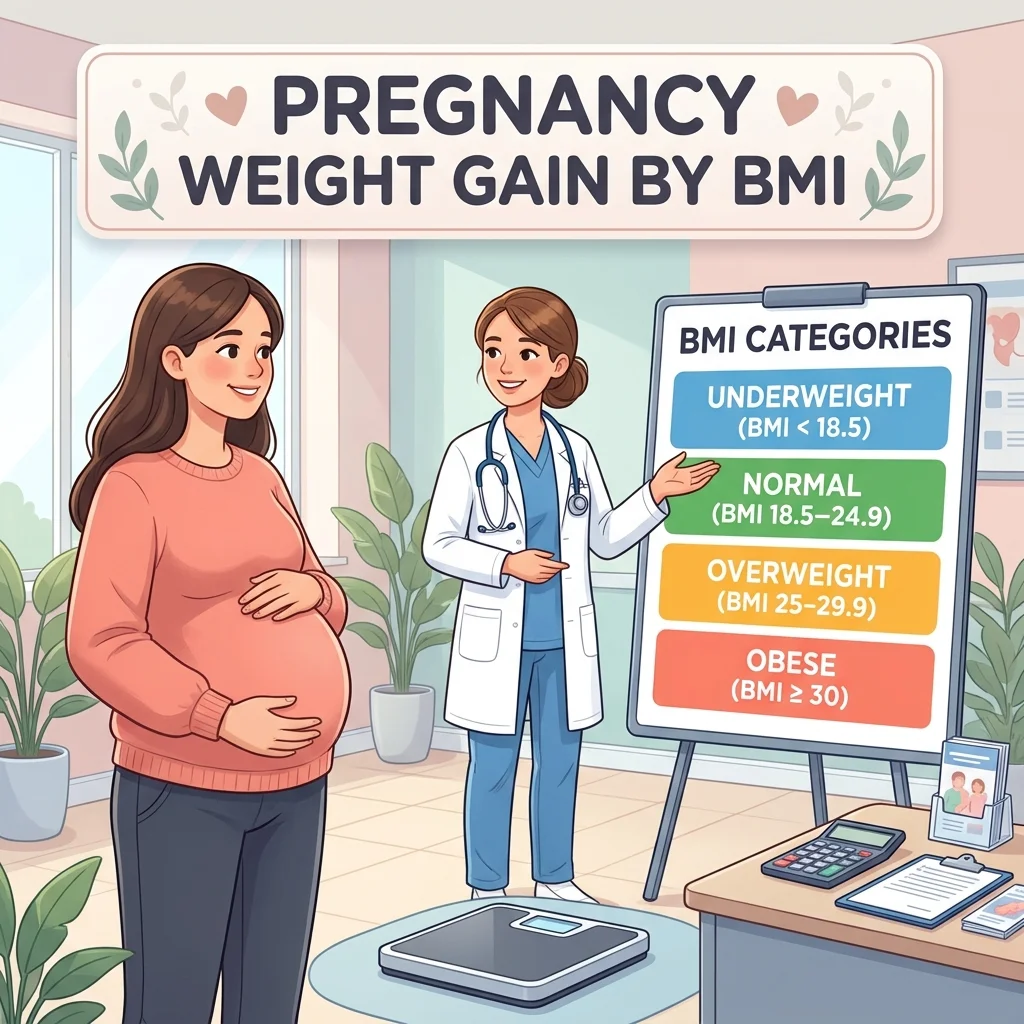
Your pre-pregnancy body mass index (BMI) is one factor healthcare professionals may use when discussing recommended pregnancy weight gain.
BMI compares your weight with your height. It provides a general weight category, but it does not directly measure body fat or fully describe your health.
For a singleton pregnancy, commonly used US recommendations differ according to starting BMI.
Pregnancy Weight Gain for Underweight Women
Women with a pre-pregnancy BMI below 18.5 are generally advised to gain more weight than women in other BMI categories.
The commonly used US recommendation is 28–40 pounds (13–18 kg) throughout a singleton pregnancy.
If you were underweight before becoming pregnant, your healthcare provider may discuss additional nutritional support. Eating regular meals and including protein-rich foods, whole grains, dairy or suitable alternatives, fruits, and vegetables can help meet your nutritional needs.
Pregnancy Weight Gain for Women With a Healthy BMI
Women with a pre-pregnancy BMI between 18.5 and 24.9 have a commonly recommended total gain of 25–35 pounds (11.5–16 kg) for a singleton pregnancy.
This range is a general reference rather than a weekly requirement.
For example, a woman who starts pregnancy at 65 kg may finish pregnancy at approximately 76.5–81 kg if she follows this US reference range.
However, this example is not an individual prescription. Your maternity team should assess your overall progress.
Pregnancy Weight Gain for Higher-weight person Women
Women with a pre-pregnancy BMI between 25 and 29.9 have a commonly used US recommendation of 15–25 pounds (7–11.5 kg) for a singleton pregnancy.
Starting pregnancy at a higher weight does not mean you should try to lose weight while pregnant.
Instead, focus on balanced meals, appropriate physical activity, and regular antenatal appointments.
Pregnancy Weight Gain for Women With Obesity
For women with a pre-pregnancy BMI of 30 or above, commonly used US recommendations suggest gaining 11–20 pounds (5–9 kg) during a singleton pregnancy.
However, this range should not be interpreted as a reason to restrict food or deliberately lose weight.
Your doctor or midwife can help monitor your nutritional needs, blood pressure, blood glucose, and baby’s growth.
Pregnancy Weight Gain Calculator: Estimate Your BMI and Weight Range
A pregnancy weight gain calculator can help you understand your pre-pregnancy BMI and see the general US weight gain range associated with your starting BMI.
The following calculator is an educational tool. It does not determine whether your current pregnancy weight gain is healthy or replace medical advice.
Pre-pregnancy BMI calculator
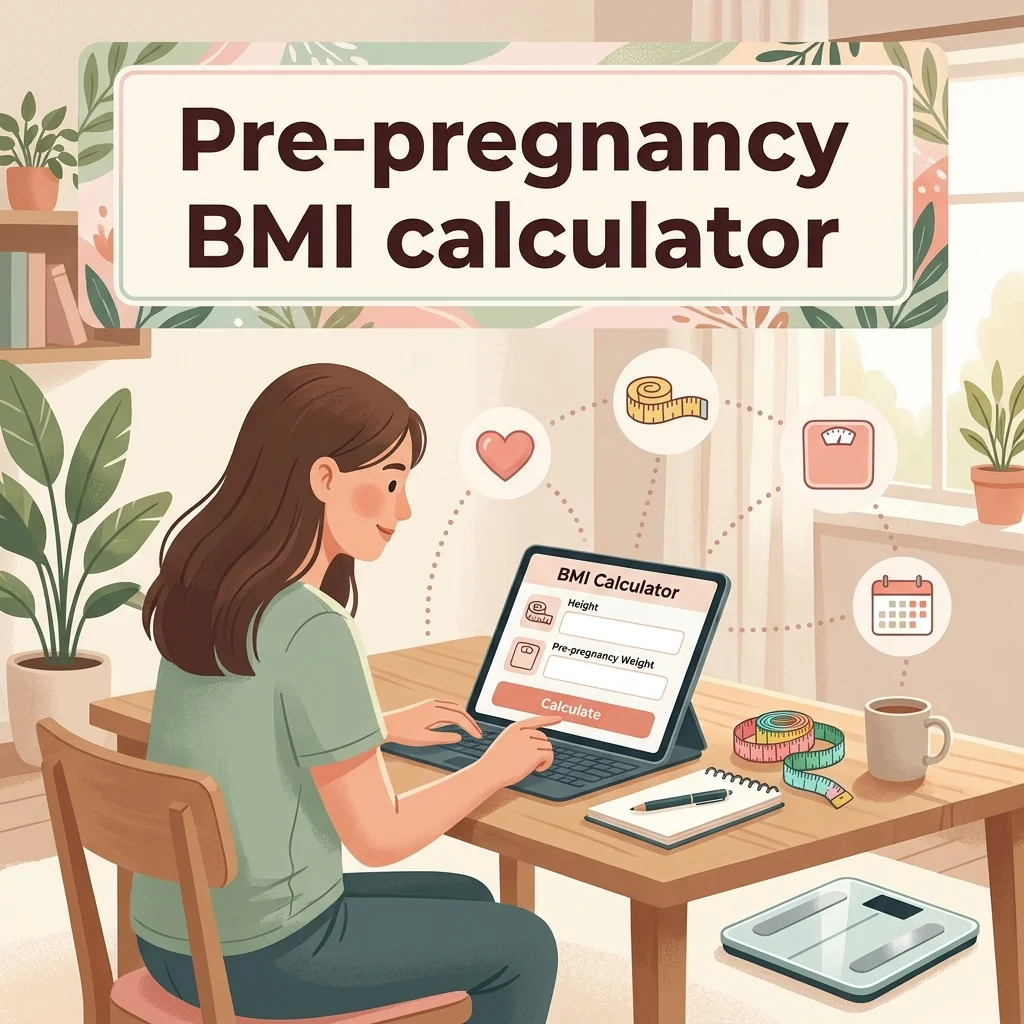
Enter your weight and height before pregnancy to estimate your BMI and view the general US singleton-pregnancy weight gain range.
Pre-pregnancy weight (kg)
Height (cm)
Your BMI
23.9
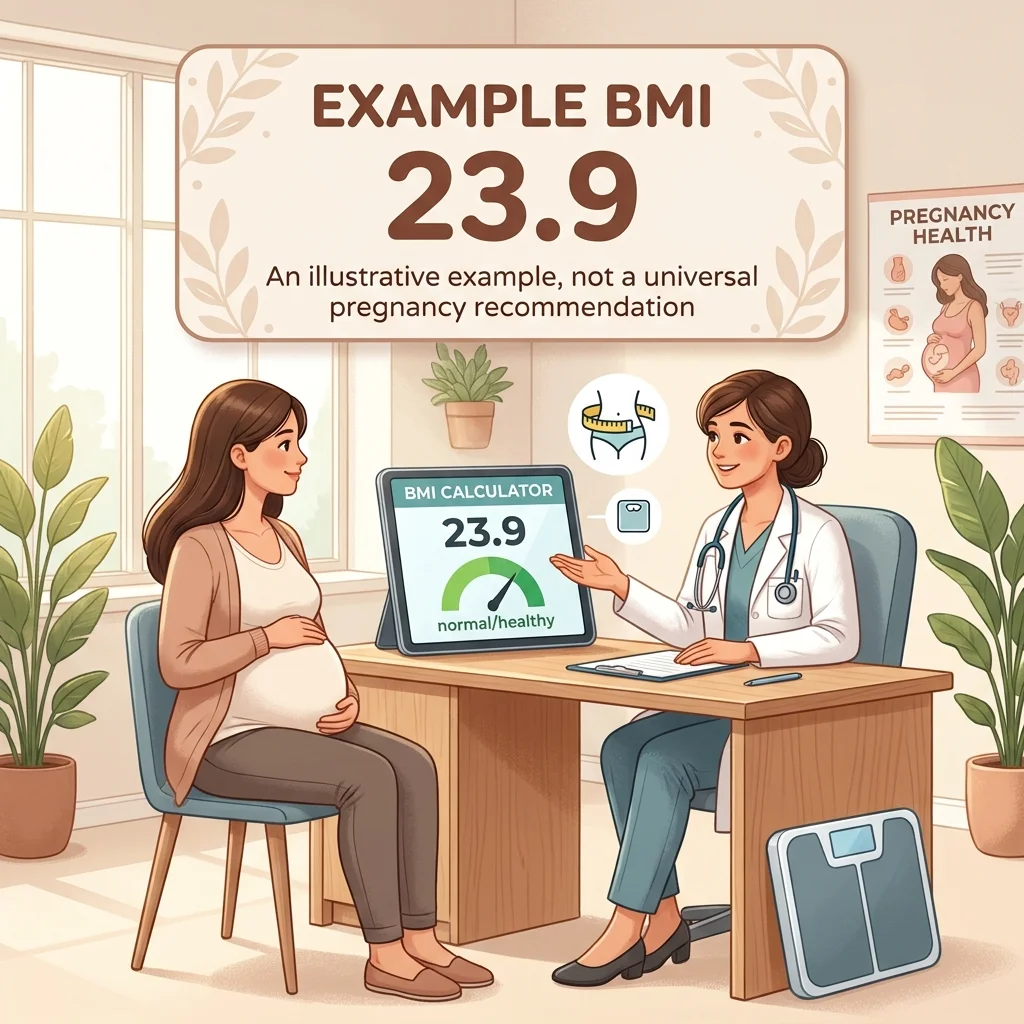
BMI category
Healthy weight
General US singleton-pregnancy reference
25–35 lb (11.5–16 kg) total pregnancy weight gain
This is a general estimate, not a personal medical target. The calculator uses adult BMI categories and US guidance. It is not suitable for twins or multiples and does not assess current pregnancy progress.
How to Calculate Your Pre-Pregnancy BMI Manually
You can also calculate your BMI using this formula:
BMI=WeightinkgHeightinmetres2
For example, if your pre-pregnancy weight was 65 kg and your height was 1.65 metres:
BMI=651.651.65=23.9
A BMI of 23.9 falls within the standard healthy-weight category.
Remember that BMI is only a starting point. It cannot tell you whether your baby is growing properly or whether your pregnancy weight gain is healthy.
Pregnancy Weight Gain by Trimester
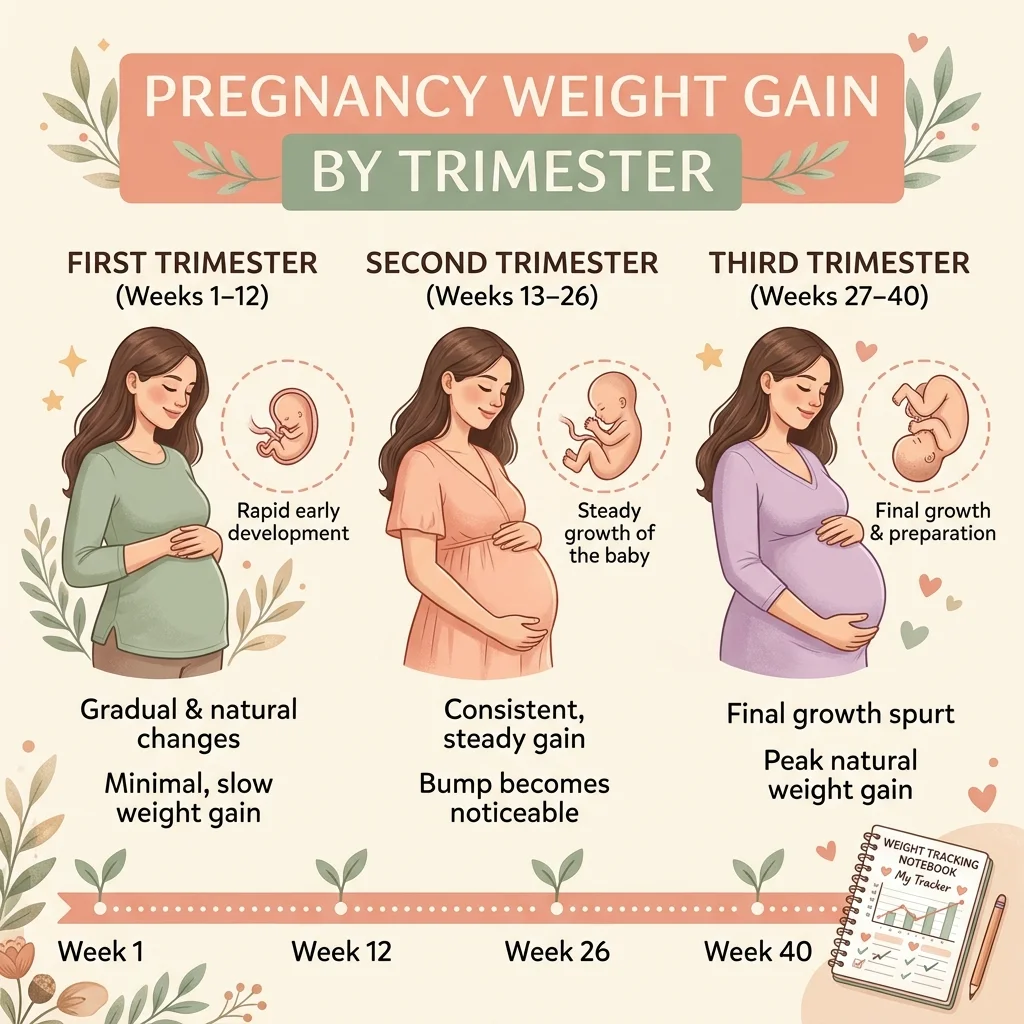
Pregnancy weight gain by trimester is not always steady. Some women gain very little during the first three months, while others notice more consistent changes later.
The following sections explain what commonly happens during each stage.
First Trimester: Weeks 1–12
During the first trimester, your baby is still very small. Therefore, your overall weight gain may be limited.
According to the American College of Obstetricians and Gynecologists (ACOG), women may gain approximately 1–5 pounds (0.5–2.3 kg) during the first 12 weeks or experience no weight gain at all.
ACOG
Common reasons for changes during early pregnancy include:
- Morning sickness and nausea.
- Reduced appetite.
- Food aversions.
- Hormonal changes.
- Bloating and constipation.
If you’re experiencing morning sickness, try eating smaller meals throughout the day. Foods such as toast, bananas, oatmeal, and other easily tolerated options may help.
If you cannot keep food or fluids down, contact your midwife or doctor. Persistent vomiting can cause dehydration and may require treatment.
Second Trimester: Weeks 13–27
The second trimester is when many women begin experiencing more noticeable pregnancy weight gain.
Your baby grows more rapidly, your uterus expands, your blood volume increases, and your body develops additional tissues to support pregnancy.
For women who started pregnancy at a healthy weight and are carrying one baby, a commonly used guideline is approximately half a pound to one pound (0.2–0.45 kg) per week during the second and third trimesters.
ACOG+1
During this stage, you may notice:
- A growing baby bump.
- Increased breast size.
- Changes in appetite.
- Changes in body fat distribution.
- Increased blood volume.
- More noticeable changes in your hips and waist.
Your nutritional needs also increase as pregnancy progresses. Include protein, fibre, healthy fats, vitamins, and minerals in your regular meals.
Third Trimester: Weeks 28–40
The third trimester is the final stage of pregnancy. Your baby continues growing, and your body prepares for labour and breastfeeding.
Weight gain generally continues, although the amount varies between women.
Some women experience slower weight gain near the end of pregnancy, while others continue gaining steadily until delivery.
Your changing weight may reflect:
- Your baby’s increasing size.
- Placental growth.
- Amniotic fluid.
- Increased blood and fluid volume.
- Breast tissue development.
- Maternal fat stores.
Don’t worry if your weight doesn’t increase at exactly the same rate every week. Your maternity team will consider your overall progress and your baby’s development.
Pregnancy Weight Gain Chart by Week and Month
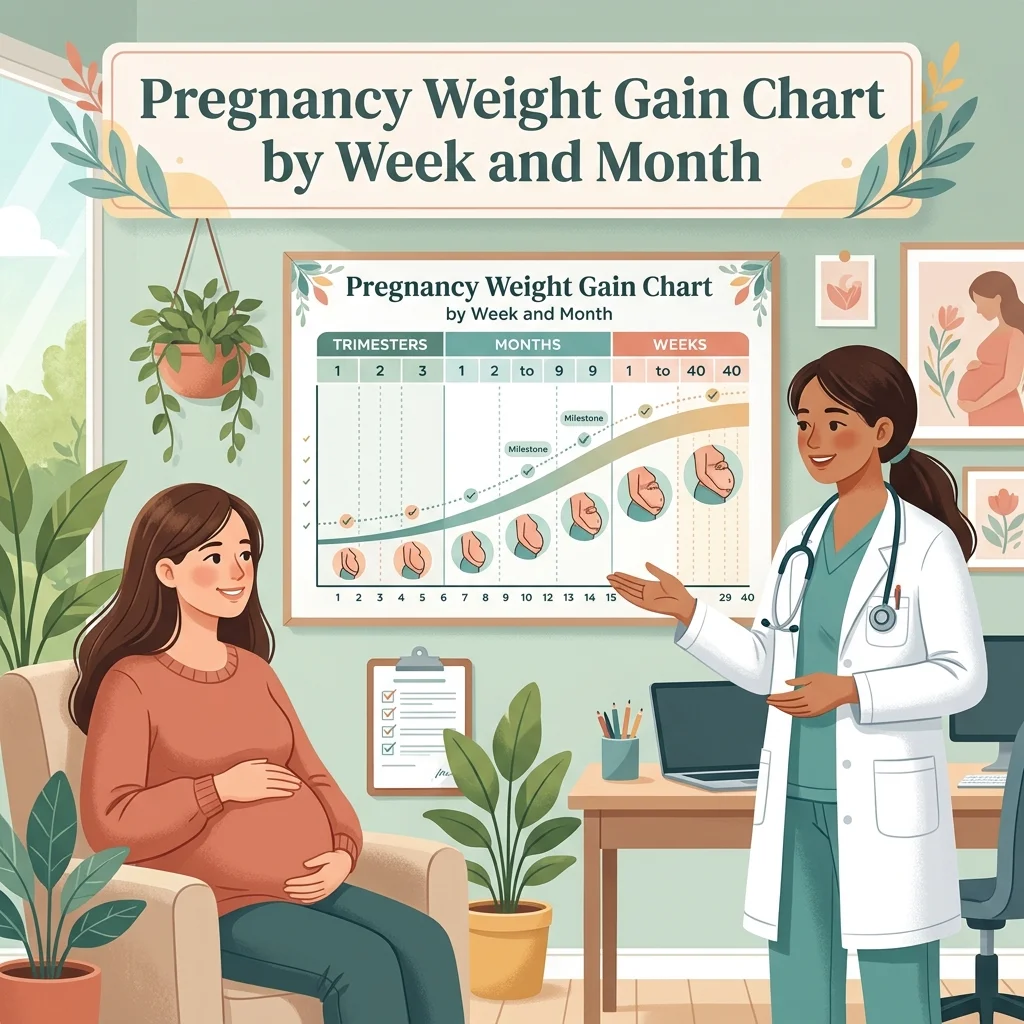
A pregnancy weight gain chart helps explain how your weight may change throughout pregnancy. However, there isn’t one weekly chart that works for every woman.
Your starting BMI, pregnancy stage, appetite, and health all influence your weight gain pattern.
The NHS reports that most pregnancy weight gain happens after week 20.
NHS
The following table provides a general overview rather than exact weekly targets.
| Pregnancy period | Common weight pattern |
| Month 1 (weeks 1–4) | Little or no noticeable gain |
| Month 2 (weeks 5–8) | Weight may remain stable |
| Month 3 (weeks 9–12) | Small gain or no gain |
| Month 4 (weeks 13–16) | Weight gain may become more noticeable |
| Month 5 (weeks 17–20) | Gradual increase is common |
| Month 6 (weeks 21–24) | More consistent weight gain |
| Month 7 (weeks 25–28) | Continued growth and maternal changes |
| Month 8 (weeks 29–32) | Baby continues gaining weight |
| Month 9 (weeks 33–40) | Weight may continue increasing or slow down |
Is There a Normal Pregnancy Weight Gain Per Week?
There isn’t one normal weekly amount for every pregnant woman.
For someone who began pregnancy at a healthy BMI and is carrying one baby, approximately half a pound to one pound weekly during the second and third trimesters is a commonly used guideline.
Women who began pregnancy underweight, higher-weight person, or with obesity may have different recommended patterns.
Use weekly charts as educational references, not as a reason to worry about small changes on the scale.
Why Do You Gain Weight During Pregnancy?
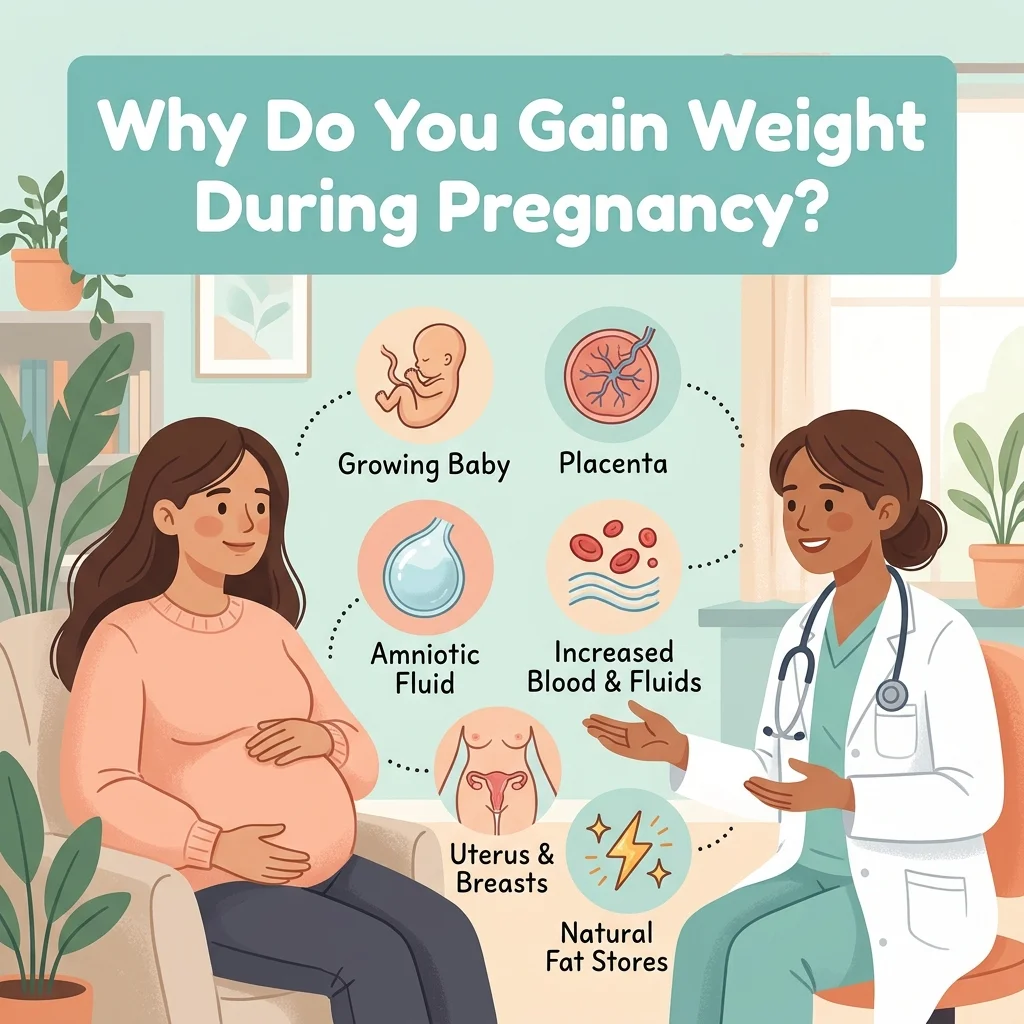
Pregnancy weight gain isn’t simply the result of eating more food. Much of the additional weight comes from your baby and the physical changes your body makes to support development.
Here are the main contributors.
1. Your Growing Baby
Your baby accounts for an important part of pregnancy weight gain. As pregnancy progresses, the baby develops organs, bones, muscles, and body fat.
Many full-term newborns weigh approximately 2.5–4 kg (5.5–8.8 pounds), although birth weights vary.
2. Placenta
The placenta develops inside your uterus and connects your baby’s needs with your body. It delivers oxygen and nutrients while helping remove waste products.
The placenta also contributes to your overall pregnancy weight.
3. Amniotic Fluid
Amniotic fluid surrounds your baby inside the amniotic sac. It cushions the baby, allows movement, and helps maintain a suitable environment for development.
Its volume changes throughout pregnancy and contributes to your total weight.
4. Increased Blood Volume
Your blood volume increases during pregnancy to support your growing baby and meet your body’s additional demands.
This increased blood supply helps transport oxygen and nutrients throughout your body.
5. Breast and Uterine Tissue
Your breasts begin preparing for breastfeeding during pregnancy. Hormonal changes cause breast tissue to develop, making your breasts larger and heavier.
Your uterus also expands considerably to accommodate your growing baby.
6. Additional Body Fat
Your body naturally stores some additional fat during pregnancy. These energy reserves help support pregnancy and prepare your body for breastfeeding.
7. Extra Body Fluids
Your body retains additional fluids during pregnancy. This is a normal part of the changes that help support circulation and other bodily functions.
All these changes contribute to your pregnancy weight. The number on your scale represents much more than your baby’s weight.
How Much Weight Should You Gain During a Twin Pregnancy?
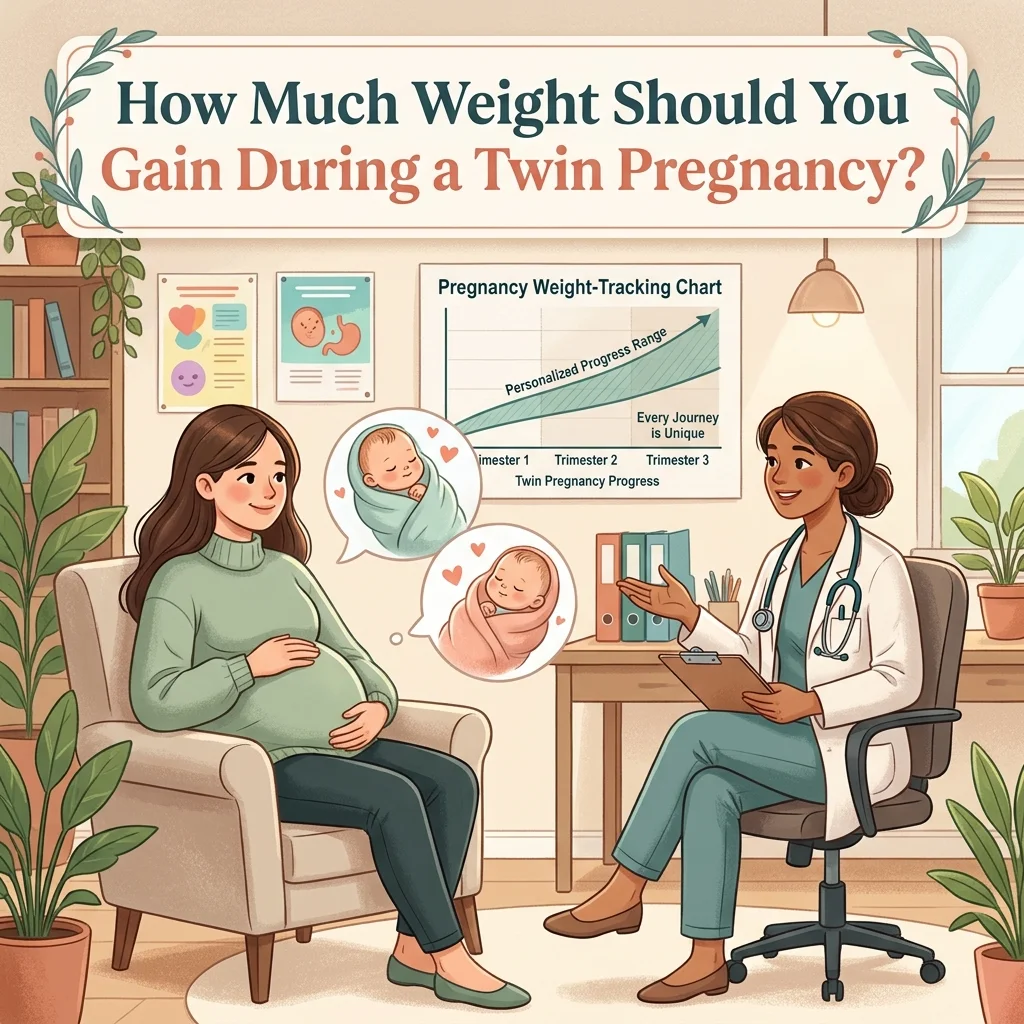
Pregnancy weight gain for twins is generally higher than weight gain during a pregnancy with one baby.
Your body supports two developing babies, and the pregnancy may involve additional placental tissue, amniotic fluid, and other physical changes.
Commonly used US recommendations for twin pregnancies include:
| Pre-pregnancy BMI | Recommended total gain |
| Underweight (below 18.5) | 50–62 lb (23–28 kg) |
| Healthy weight (18.5–24.9) | 37–54 lb (17–24.5 kg) |
| Higher-weight person (25–29.9) | 31–50 lb (14–23 kg) |
| Obesity (30–39.9) | 25–42 lb (11–19 kg) |
These ranges are based on US guidance. Evidence is more limited for some groups, and individual recommendations may differ.
CDC
Twin pregnancies need closer monitoring because their nutritional needs and medical risks can differ from those of singleton pregnancies.
If you’re expecting twins, discuss your weight gain goals with your maternity team rather than following a singleton pregnancy chart.
What Happens If You Gain Too Much Weight During Pregnancy?

Gaining more weight than recommended doesn’t automatically mean something is wrong. However, excessive weight gain during pregnancy can increase the likelihood of certain health complications.
The NHS explains that excessive pregnancy weight gain can affect maternal health and increase blood pressure. It may also be associated with complications such as gestational diabetes and pre-eclampsia.
NHS+1
1. Gestational Diabetes
Gestational diabetes develops when blood glucose levels become too high during pregnancy.
Higher pre-pregnancy weight and excessive weight gain can be associated with an increased risk. However, gestational diabetes can also affect women who started pregnancy at a healthy weight.
Your maternity team may recommend blood glucose testing if you’re at increased risk.
2. High Blood Pressure
Excessive weight gain can be associated with a higher risk of high blood pressure during pregnancy.
High blood pressure requires medical attention because it can affect both maternal and fetal health.
3. Pre-eclampsia
Pre-eclampsia is a pregnancy complication involving high blood pressure and signs of problems affecting organs such as the kidneys or liver.
Warning signs can include:
- Severe or persistent headaches.
- Blurred vision or flashing lights.
- Pain below the ribs.
- Sudden swelling of the face, hands, or feet.
- Feeling very unwell.
Seek urgent maternity assessment if you experience these symptoms. Don’t assume that sudden swelling or weight gain is simply a normal pregnancy change.
4. Having a Larger Baby
Excessive maternal weight gain and certain metabolic conditions can increase the likelihood of having a larger baby.
A larger baby may make vaginal delivery more difficult and increase the possibility of certain birth complications.
5. Difficulties During Delivery
Excessive pregnancy weight gain may be associated with a higher likelihood of certain delivery complications, including caesarean birth.
However, weight alone cannot predict how your delivery will progress.
6. Retaining Weight After Pregnancy
Women who gain considerably more weight than recommended may find it harder to return to their pre-pregnancy weight after delivery.
Postpartum recovery varies, and your body needs time to heal after childbirth.
What should you do? Focus on balanced nutrition, appropriate physical activity, and regular antenatal appointments. Pregnancy isn’t the right time to follow a restrictive weight-loss diet.
What Happens If You Don’t Gain Enough Weight During Pregnancy?
Gaining too little weight can also be a concern, especially when it happens alongside poor nutrition or inadequate fetal growth.
Some women naturally gain less weight than expected, particularly during the first trimester. Morning sickness, food aversions, digestive problems, and other health conditions can affect weight.
Possible concerns include:
- Inadequate maternal nutrition.
- Poor fetal growth.
- Increased likelihood of premature birth.
- Increased likelihood of having a low-birth-weight baby.
- Nutritional deficiencies.
The NHS identifies premature birth and low birth weight as possible concerns associated with inadequate pregnancy weight gain. However, not every woman who gains less weight will experience these complications.
NHS
If you struggle to eat enough, ask your midwife or doctor for advice. A registered dietitian may also help you develop a suitable eating plan.
Don’t try to make up for missed weight gain by suddenly eating much larger portions. A gradual, nutritious approach is generally more appropriate.
Why Am I Gaining Weight So Quickly During Pregnancy?
Rapid weight changes can happen for several reasons. Some are related to normal pregnancy development, while others may need medical assessment.
Common explanations include:
Growing baby: Your baby gains weight as pregnancy progresses, especially during the later months.
Fluid retention: Pregnancy changes how your body handles fluids. This can cause temporary changes on the scale.
Constipation: Hormonal changes can slow digestion, making you feel bloated and heavier.
Changes in appetite: Some women experience increased hunger during the second and third trimesters.
Changes in eating habits: Larger portions, frequent snacks, and changes in activity can influence overall weight gain.
However, sudden weight gain accompanied by swelling, headaches, vision changes, or pain below the ribs needs urgent medical assessment because it can be associated with pre-eclampsia.
Don’t try to correct rapid weight changes by skipping meals or exercising excessively. Contact your maternity team to discuss the pattern.
How Many Extra Calories Do You Need During Pregnancy?
Your calorie requirements change as pregnancy progresses. However, pregnancy doesn’t mean you need to eat twice as much food.
For women who began pregnancy at a healthy weight, commonly used US estimates suggest:
| Pregnancy stage | Additional daily calories |
| First trimester | No additional calories generally needed |
| Second trimester | Approximately 340 calories |
| Third trimester | Approximately 450 calories |
These estimates are not personal calorie prescriptions. Your actual energy needs depend on your starting weight, activity level, age, health, and pregnancy circumstances.
ACOG
What Does 340 Extra Calories Look Like?
You don’t need to count every calorie. Instead, consider adding nutritious foods to your regular meals.
For example, an additional snack might include:
- A serving of plain Greek yoghurt.
- A small banana.
- A handful of almonds.
- A slice of wholegrain toast.
What Does 450 Extra Calories Look Like?
During the third trimester, you might include:
- A bowl of oatmeal with milk.
- A serving of fruit.
- A handful of nuts.
- A boiled egg.
The exact calorie content depends on portion sizes and ingredients.
If you live in the UK, follow your midwife’s nutritional advice rather than treating US calorie estimates as official NHS targets.
Best Foods for Healthy Pregnancy Weight Gain
Eating a balanced diet helps provide the nutrients your body needs during pregnancy. You don’t need an expensive meal plan or complicated recipes to support healthy pregnancy weight gain.
Focus on variety, suitable portions, and foods that provide important nutrients.
1. Protein-Rich Foods
Protein supports your baby’s growth and helps your body maintain and develop tissues.
Good choices include:
- Fully cooked eggs.
- Chicken.
- Lean meat.
- Beans.
- Lentils.
- Tofu.
- Pasteurised yoghurt.
- Low-mercury fish.
Include a suitable protein source in your main meals.
2. Whole Grains
Whole grains provide carbohydrates, fibre, and other important nutrients.
Consider adding:
- Oatmeal.
- Brown rice.
- Wholegrain bread.
- Wholewheat pasta.
- Quinoa.
- Wholegrain cereals.
These foods provide energy and can help support digestive health.
3. Fruits and Vegetables
Fruits and vegetables provide vitamins, minerals, and fibre.
Nutritious options include:
- Apples.
- Bananas.
- Oranges.
- Berries.
- Spinach.
- Broccoli.
- Carrots.
- Sweet potatoes.
Wash fresh produce thoroughly before eating.
4. Healthy Fats
Healthy fats provide energy and support your baby’s development.
Good sources include:
- Avocados.
- Walnuts.
- Almonds.
- Chia seeds.
- Olive oil.
- Suitable low-mercury oily fish.
5. Calcium-Rich Foods
Calcium supports your baby’s developing bones and teeth.
Suitable sources include:
- Pasteurised milk.
- Pasteurised yoghurt.
- Calcium-fortified plant milk.
- Suitable cheeses.
- Calcium-set tofu.
Choose pregnancy-safe foods and follow local food-safety recommendations.
Important Pregnancy Vitamins and Supplements
A healthy diet provides many nutrients, but some supplements are also recommended during pregnancy.
In the UK, the NHS recommends:
- Folic acid: 400 micrograms daily before pregnancy and until the end of the first 12 weeks.
- Vitamin D: 10 micrograms daily between October and March. Some women need it throughout the year.
- Iron: Supplementation may be recommended if blood tests show low iron levels or anaemia.
Some women need a higher folic acid dose because of particular medical or pregnancy risk factors. A healthcare professional can advise whether this applies to you.
Avoid cod liver oil and supplements containing vitamin A in the form of retinol during pregnancy. Excessive vitamin A can harm your baby’s development.
NHS+1
Can You Exercise During Pregnancy Without Affecting Weight Gain?
Yes. Physical activity is generally beneficial during an uncomplicated pregnancy.
Exercise can help maintain fitness, improve mood, support cardiovascular health, and reduce some pregnancy-related discomforts.
The NHS recommends aiming for approximately 150 minutes of moderate-intensity activity each week during pregnancy, provided you have no medical reason to avoid exercise.
NHS+1
Walking
Walking is a simple way to stay active during pregnancy. You can begin with short walks and gradually increase your activity if you feel comfortable.
Swimming
Swimming provides gentle movement and supports your body without putting excessive pressure on your joints.
Prenatal Yoga
Prenatal yoga focuses on gentle movements, breathing, flexibility, and relaxation.
Choose classes designed for pregnancy and avoid positions that feel uncomfortable.
Light Strength Training
Appropriate strength exercises can help maintain muscle strength during pregnancy.
Use comfortable resistance and avoid activities involving excessive strain or a risk of falling.
Exercise Safety Tips
- Start slowly if you’re new to exercise.
- Drink enough water.
- Avoid overheating.
- Choose activities that feel comfortable.
- Stop if you feel dizzy, unwell, or experience pain.
- Ask your midwife about suitable activities if you have pregnancy complications.
Exercise during pregnancy should support your health rather than help you lose weight.
How Much Weight Do You Lose Immediately After Giving Birth?
Many women notice an immediate decrease in weight after childbirth.
This happens because the baby, placenta, and amniotic fluid are no longer inside your body. Your body also gradually removes additional fluids over the following days and weeks.
However, you won’t necessarily return to your pre-pregnancy weight immediately.
Your uterus needs time to shrink, and your body continues recovering from pregnancy and delivery.
Breastfeeding, sleep, appetite, physical recovery, and individual metabolism can also influence postpartum weight changes.
Avoid rushing into a weight-loss programme after giving birth. Focus on recovery, nutritious meals, hydration, and the advice of your healthcare provider.
Does Pregnancy Weight Gain Differ Between First and Second Pregnancies?
Yes, pregnancy weight gain can differ between pregnancies, even for the same woman.
Your appetite, activity levels, starting weight, pregnancy symptoms, and medical circumstances may change.
For example, you might experience severe morning sickness during your first pregnancy but have a better appetite during your second.
You may also have different activity levels because of work, family responsibilities, or caring for another child.
There is no guarantee that your second pregnancy will follow the same weight gain pattern as your first.
Your maternity team should assess each pregnancy individually rather than assuming your previous weight changes will happen again.
Tips for Tracking Your Pregnancy Weight Gain
Tracking your weight can help you and your healthcare provider understand your progress. However, weighing yourself too frequently can create unnecessary stress.
Consider these practical suggestions:
- Know your starting weight: Your pre-pregnancy weight helps your healthcare provider assess your progress.
- Understand your BMI: Your starting BMI provides additional information when discussing pregnancy weight recommendations.
- Attend antenatal appointments: Regular appointments help monitor your pregnancy and baby’s development.
- Look at overall progress: Don’t become concerned about small changes between individual measurements.
- Focus on nutrition: Your eating habits and overall health matter more than reaching an exact number.
- Discuss unexpected changes: Report sudden weight changes or concerns about inadequate weight gain.
You don’t have to monitor every pound yourself. Your maternity team can help you understand whether your pregnancy is progressing appropriately.
Frequently Asked Questions About Pregnancy Weight Gain
How much weight should I gain during pregnancy in total?
Many pregnant people gain approximately 10–12.5 kg (22–28 pounds), according to the NHS. However, individual weight gain varies. US recommendations for singleton pregnancies range from 11–40 pounds depending on pre-pregnancy BMI.
Is gaining 10 pounds during pregnancy normal?
It depends on how far along you are and your starting weight. Gaining 10 pounds may be reasonable at one stage but below the expected range at another. Your healthcare provider can assess your overall progress.
When do you start gaining weight during pregnancy?
Some women notice weight gain during the first trimester, while others gain very little or lose a small amount because of morning sickness. More noticeable pregnancy weight gain often occurs during the second and third trimesters.
Is it normal not to gain weight during the first trimester?
Yes. Some women gain no weight during the first 12 weeks. Others gain approximately 1–5 pounds. However, persistent vomiting or an inability to maintain hydration requires medical advice.
How much weight should I gain during the first trimester?
Many women gain approximately 1–5 pounds (0.5–2.3 kg) during the first trimester. Some gain less or experience no weight gain because of nausea and changes in appetite.
How much weight should I gain during the second trimester?
Weight gain generally becomes more consistent during the second trimester. For women starting pregnancy at a healthy weight with one baby, approximately half a pound to one pound per week is a commonly used guideline.
How much weight should I gain during the third trimester?
Weight gain usually continues during the third trimester as your baby grows. The expected amount depends on your pre-pregnancy BMI and whether you’re expecting one baby or multiples.
How much weight should I gain during pregnancy if I’m higher-weight person?
Common US recommendations suggest a total gain of 15–25 pounds (7–11.5 kg) for women with a pre-pregnancy BMI between 25 and 29.9 who are expecting one baby. Your healthcare provider can recommend an appropriate individual target.
How much weight should I gain during pregnancy if I’m underweight?
Common US guidelines recommend approximately 28–40 pounds (13–18 kg) for women with a pre-pregnancy BMI below 18.5 who are expecting one baby.
Do you gain more weight with twins?
Yes. Twin pregnancies generally require more weight gain than singleton pregnancies. US recommendations suggest approximately 37–54 pounds for women starting at a healthy BMI, although individual targets should be discussed with a maternity professional.
Can you lose weight during pregnancy?
Intentional weight loss is generally not recommended during pregnancy. Some women experience unintentional weight loss during early pregnancy because of nausea and vomiting. If you’re concerned about your weight, speak with your healthcare provider.
Does pregnancy weight gain include the baby’s weight?
Yes. Your total pregnancy weight includes your baby’s weight, placenta, amniotic fluid, increased blood volume, breast tissue, uterine growth, additional fluids, and maternal fat stores.
Should I eat twice as much when pregnant?
No. Pregnancy doesn’t require you to eat twice as much. Your calorie needs increase gradually, with commonly used US estimates of no additional calories during the first trimester, 340 extra calories during the second, and 450 extra calories during the third.
What if I gain more weight than recommended?
Gaining more than the recommended amount doesn’t automatically mean your pregnancy is unhealthy. Discuss your weight pattern with your midwife or doctor. Avoid restrictive diets and focus on balanced meals and appropriate physical activity.
Does pregnancy weight gain affect the baby’s size?
Maternal weight gain can influence fetal growth, but it isn’t the only factor. Genetics, maternal health, placental function, and other pregnancy-related factors also affect a baby’s size.
How much weight do you lose after giving birth?
You lose the weight of your baby, placenta, and amniotic fluid during delivery. Additional fluid weight may decrease over the following days and weeks. Your overall postpartum weight loss varies from person to person.
Conclusion
Understanding how much weight to gain during pregnancy can help you make informed decisions about nutrition, physical activity, and prenatal care. Many pregnant people gain approximately 10–12.5 kg (22–28 pounds), although the appropriate amount depends on pre-pregnancy weight, BMI, pregnancy stage, and whether you’re carrying one baby or twins.
Weight gain usually happens gradually, with less noticeable changes during the first trimester and more consistent increases during the second and third trimesters. The best approach is to eat a balanced diet, stay appropriately active, drink enough water, and attend your antenatal appointments. Pay attention to your overall health rather than trying to reach an exact number on the scale.

I am Daniel Scott, a passionate writer dedicated to creating meaningful and engaging content that informs, inspires, and connects with readers worldwide. I am passionate about exploring ideas, sharing knowledge, and presenting stories with clarity and creativity. My writing focuses on delivering valuable insights through well-researched articles and thoughtful perspectives. I am committed to maintaining accuracy, originality, and a reader-first approach in every piece I create.