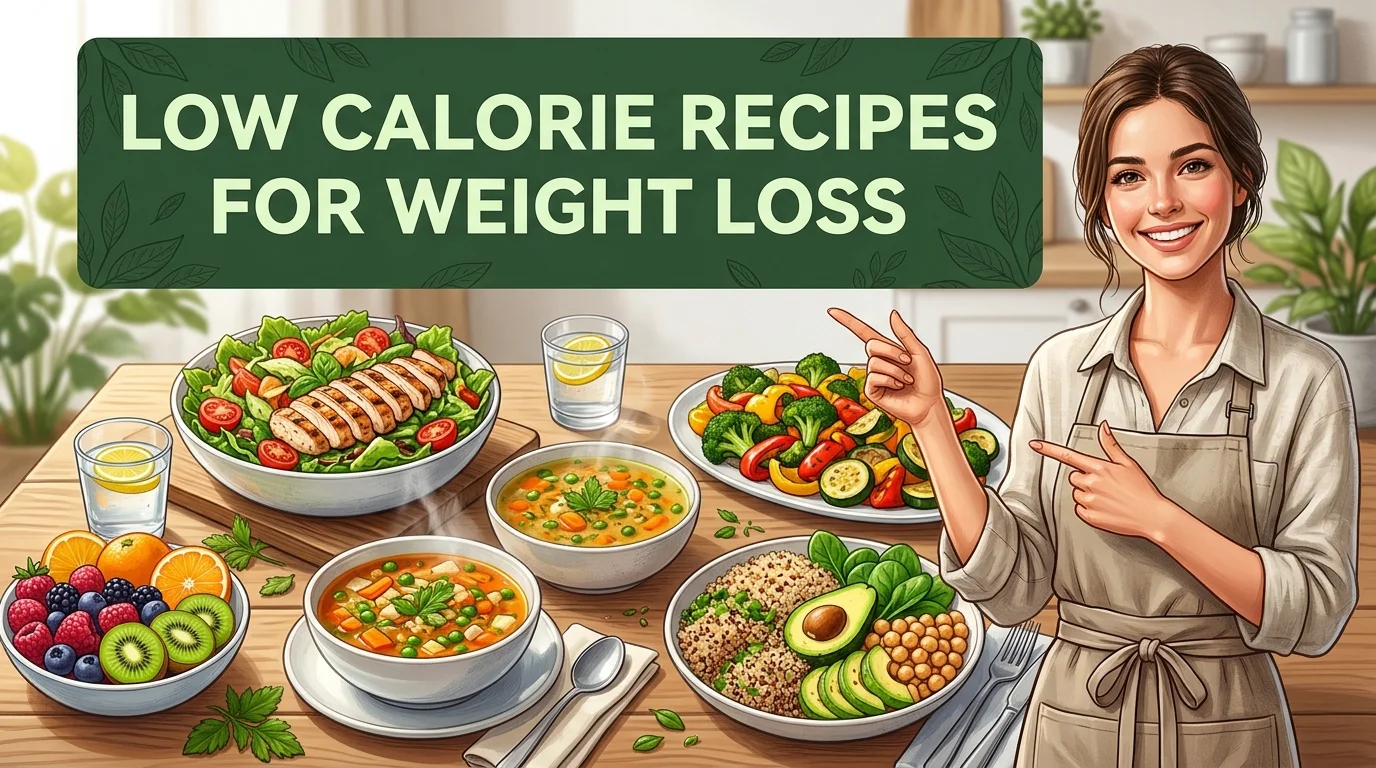
Losing weight does not mean giving up delicious food or eating the same boring meals every day. You can enjoy satisfying breakfasts, flavorful lunches, nutritious dinners, and even sweet desserts while working toward your health goals. The key is choosing balanced ingredients, managing portions, and preparing meals that fit your daily nutritional needs.
These low calorie recipes for weight loss make healthy eating easier without requiring expensive ingredients or complicated cooking methods. You will find meals made with everyday foods such as eggs, chicken, fish, oats, lentils, vegetables, fruits, and Greek yogurt.
One advantage of preparing meals at home is that you control how much oil, sugar, salt, and sauce goes into your food. You can also adjust ingredients to suit your preferences, budget, and dietary requirements.
This guide includes 25 easy recipes for breakfast, lunch, dinner, snacks, and desserts. Each recipe provides an estimated calorie count, serving information, preparation instructions, and approximate protein content. You will also find a seven-day meal plan, a grocery shopping list, and practical meal-preparation tips.
Whether you are looking for high-protein meals, vegetarian options, affordable recipes, or quick dishes for busy weekdays, these ideas can help you build a more balanced eating routine.
What Makes a Recipe Good for Weight Loss?
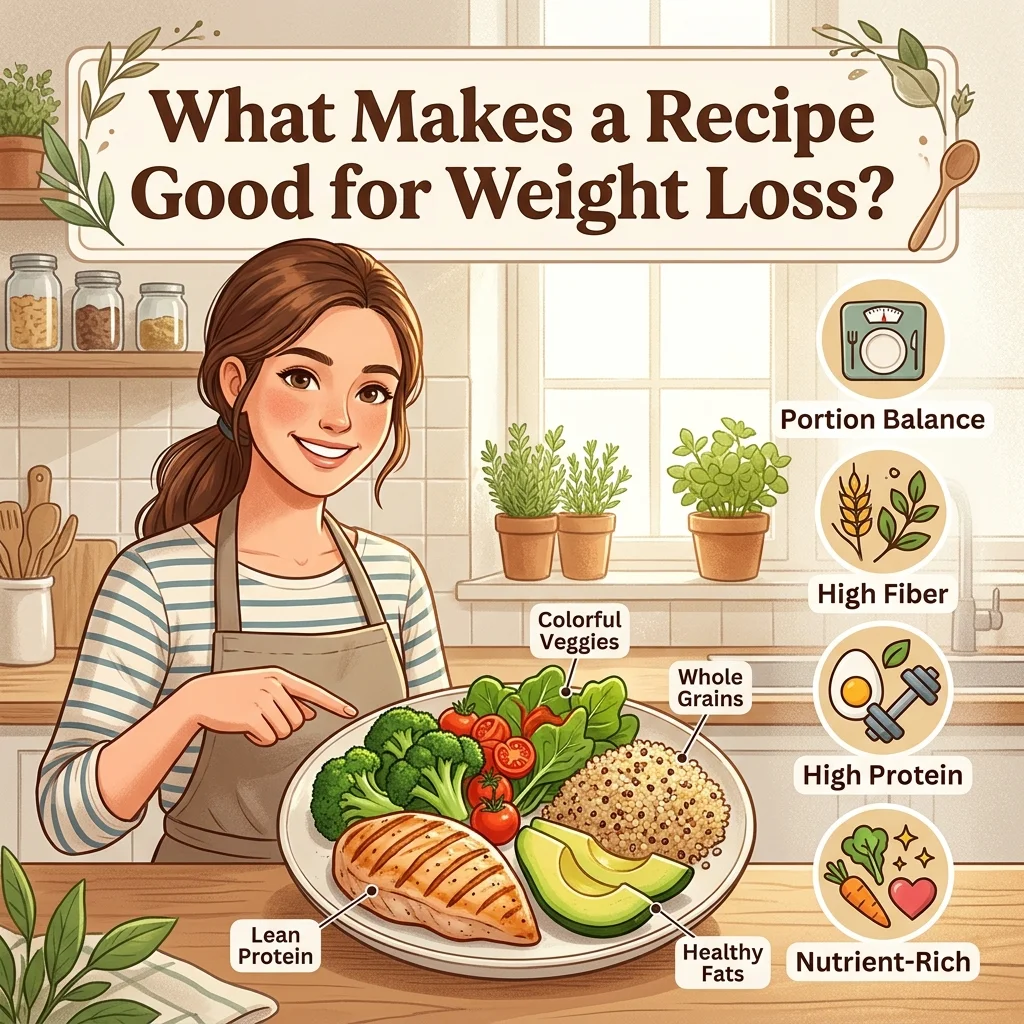
A good weight-loss recipe should provide useful nutrients, taste enjoyable, and contain an appropriate amount of energy for your individual needs.
Low-calorie meals often include vegetables, fruits, lean proteins, whole grains, and moderate portions of healthy fats. These ingredients help create balanced dishes without relying heavily on added sugar, large amounts of oil, or calorie-dense sauces.
However, low calorie does not automatically mean healthy. A meal made with very small portions might contain too little protein, fiber, or other nutrients. Your goal should be to prepare satisfying meals that support your overall health.
Ingredients to Include in Healthy Meals
- Lean proteins: Chicken breast, eggs, fish, turkey, tofu, beans, and lentils.
- Vegetables: Broccoli, spinach, cucumber, carrots, cauliflower, zucchini, and bell peppers.
- Whole grains: Oats, brown rice, whole-wheat bread, and quinoa.
- Fruits: Apples, oranges, strawberries, blueberries, bananas, and pears.
- Healthy fats: Olive oil, avocado, nuts, chia seeds, and flaxseeds.
- Dairy products: Plain Greek yogurt, cottage cheese, and low-fat milk.
Combining these ingredients helps you prepare nutritious meals with different flavors and textures.
25 Low Calorie Recipes for Weight Loss
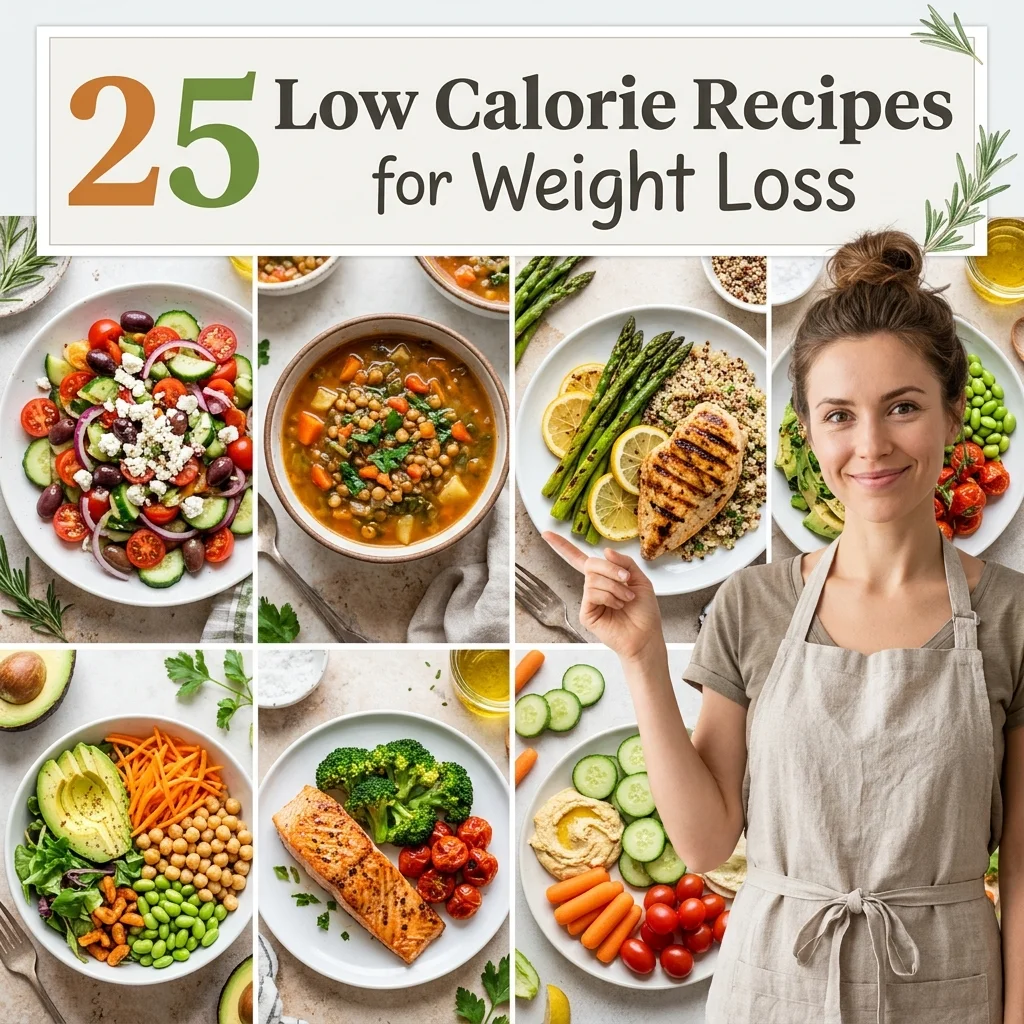
The following recipes use ordinary ingredients and straightforward cooking methods. Calorie and protein estimates refer to the stated serving and may vary with ingredient brands, actual weights, substitutions, and cooking methods.
Healthy Low Calorie Breakfast Recipes
Breakfast can be a convenient opportunity to include protein, fruit, vegetables, and whole grains. These recipes are suitable for people who want quick, nutritious morning meals.
1. Vegetable Egg Scramble
Estimated nutrition per serving: 190 calories | 13 g protein
Preparation: 5 minutes | Cooking: 7 minutes
Servings: 1
This vegetable egg scramble combines protein-rich eggs with spinach, tomatoes, and bell peppers. It is a practical breakfast when you want something warm without spending much time in the kitchen.
Ingredients:
- 2 large eggs
- ½ cup chopped spinach
- ¼ cup chopped tomatoes
- ¼ cup chopped bell peppers
- 1 teaspoon olive oil
- Black pepper and a little salt
Instructions:
- Heat olive oil in a nonstick frying pan.
- Add tomatoes and bell peppers. Cook for two minutes.
- Add spinach and stir until slightly wilted.
- Beat the eggs in a separate bowl.
- Pour the eggs into the pan and stir gently until fully cooked.
- Season with black pepper and serve warm.
Helpful tip: Add mushrooms or onions for additional flavor. Serve with whole-grain toast if you need a more substantial breakfast.
2. Greek Yogurt Berry Bowl
Estimated nutrition per serving: 220 calories | 20 g protein
Preparation: 5 minutes | Cooking: None
Servings: 1
A Greek yogurt berry bowl is a refreshing breakfast that combines protein, fruit, and fiber. It requires no cooking and works well on busy mornings.
Ingredients:
- ¾ cup plain nonfat Greek yogurt
- ½ cup strawberries
- ¼ cup blueberries
- 1 teaspoon chia seeds
- 1 teaspoon honey (optional)
Instructions:
- Add Greek yogurt to a breakfast bowl.
- Wash and slice the strawberries.
- Add strawberries and blueberries.
- Sprinkle chia seeds over the fruit.
- Add honey if desired and serve.
Helpful tip: Choose plain yogurt instead of sweetened varieties. Frozen berries are also suitable when fresh fruit is unavailable.
3. Banana Oatmeal
Estimated nutrition per serving: 250 calories | 8 g protein
Preparation: 3 minutes | Cooking: 7 minutes
Servings: 1
Banana oatmeal provides carbohydrates and fiber in a simple, comforting breakfast. The banana adds natural sweetness, while cinnamon gives the dish extra flavor.
Ingredients:
- ½ cup rolled oats
- ½ medium banana
- ¾ cup unsweetened almond milk
- ¼ teaspoon cinnamon
- 1 teaspoon ground flaxseed
Instructions:
- Add oats and almond milk to a saucepan.
- Cook over medium heat for approximately five minutes.
- Mash half the banana and stir it into the oatmeal.
- Add cinnamon and ground flaxseed.
- Slice the remaining banana and place it on top.
Helpful tip: Use dairy milk or fortified soy milk instead of almond milk if you want a different nutritional profile. Measure toppings because nuts and seeds can increase calories quickly.
4. Avocado Egg Toast
Estimated nutrition per serving: 230 calories | 11 g protein
Preparation: 5 minutes | Cooking: 5 minutes
Servings: 1
Avocado egg toast combines whole grains, protein, and healthy fats. It is an easy option for breakfast or a light lunch.
Ingredients:
- 1 slice whole-wheat bread
- 1 large egg
- ¼ small avocado
- 1 teaspoon lemon juice
- Black pepper
- A pinch of chili flakes
Instructions:
- Toast the whole-wheat bread.
- Mash avocado with lemon juice and black pepper.
- Cook or poach the egg.
- Spread avocado over the toast.
- Add the egg and finish with chili flakes.
Helpful tip: Measure the avocado portion because it is nutritious but energy-dense. Add sliced tomatoes for extra freshness.
5. Spinach and Mushroom Omelet
Estimated nutrition per serving: 180 calories | 14 g protein
Preparation: 5 minutes | Cooking: 8 minutes
Servings: 1
This omelet provides protein along with vegetables that contribute vitamins and minerals. Mushrooms add a savory flavor, while spinach gives the meal more variety.
Ingredients:
- 2 large eggs
- ½ cup sliced mushrooms
- ½ cup fresh spinach
- 1 tablespoon low-fat milk
- 1 teaspoon olive oil
- Black pepper and salt
Instructions:
- Beat eggs with milk and black pepper.
- Heat olive oil in a nonstick pan.
- Add mushrooms and cook until softened.
- Add spinach and stir until wilted.
- Pour in the egg mixture.
- Cook until the eggs are set, then fold and serve.
Helpful tip: Add extra vegetables to increase the serving size without adding many calories.
Low Calorie Lunch Recipes
Lunch should provide enough energy and nutrients to support your afternoon activities. These meals combine protein, vegetables, and fiber-rich ingredients.
6. Grilled Chicken Salad
Estimated nutrition per serving: 320 calories | 35 g protein
Preparation: 10 minutes | Cooking: 12 minutes
Servings: 1
Grilled chicken salad is a versatile lunch that combines lean protein with fresh vegetables. It is also convenient for meal preparation because you can cook the chicken in advance.
Ingredients:
- 100 g skinless chicken breast
- 1 cup chopped lettuce
- ½ cup cucumber
- ½ cup cherry tomatoes
- ¼ cup shredded carrots
- 1 teaspoon olive oil
- 1 tablespoon lemon juice
- Paprika and black pepper
Instructions:
- Season the chicken with paprika and black pepper.
- Grill or pan-cook until it reaches a safe internal temperature of 74°C (165°F).
- Allow the chicken to rest before slicing.
- Combine lettuce, cucumber, tomatoes, and carrots.
- Mix olive oil with lemon juice.
- Add the chicken and dressing to the salad.
Helpful tip: Add a measured portion of brown rice, quinoa, or whole-grain bread if you need more carbohydrates.
7. Tuna and Cucumber Salad
Estimated nutrition per serving: 230 calories | 28 g protein
Preparation: 10 minutes | Cooking: None
Servings: 1
Tuna salad is a convenient protein-rich lunch that requires no cooking. Using tuna packed in water and plain yogurt creates a lighter alternative to traditional mayonnaise-based salads.
Ingredients:
- 100 g drained tuna in water
- ½ cup chopped cucumber
- ½ cup chopped tomatoes
- ¼ cup red onion
- 2 tablespoons plain low-fat yogurt
- 1 teaspoon lemon juice
- Black pepper
Instructions:
- Drain the tuna thoroughly.
- Place it in a mixing bowl.
- Add cucumber, tomatoes, and red onion.
- Mix yogurt with lemon juice and black pepper.
- Pour the dressing over the tuna.
- Stir gently and serve chilled.
Helpful tip: Serve with whole-grain crackers or a slice of whole-wheat bread for a more complete meal.
8. Chickpea Vegetable Bowl
Estimated nutrition per serving: 290 calories | 12 g protein
Preparation: 10 minutes | Cooking: None
Servings: 1
Chickpeas provide plant protein, fiber, and carbohydrates. This colorful bowl is an affordable vegetarian lunch that can be prepared using fresh or pre-cooked ingredients.
Ingredients:
- ½ cup cooked chickpeas
- ½ cup chopped cucumber
- ½ cup chopped tomatoes
- ½ cup spinach
- ¼ cup shredded carrots
- 1 teaspoon olive oil
- 1 tablespoon lemon juice
- Cumin and black pepper
Instructions:
- Rinse and drain the chickpeas.
- Place them in a bowl with the vegetables.
- Mix olive oil, lemon juice, cumin, and pepper.
- Pour the dressing over the ingredients.
- Toss everything together and serve.
Helpful tip: Add tofu or a small serving of grilled chicken if you prefer a higher-protein meal.
9. Turkey Lettuce Wraps
Estimated nutrition per serving: 260 calories | 25 g protein
Preparation: 10 minutes | Cooking: 10 minutes
Servings: 2 wraps
Turkey lettuce wraps offer a crunchy alternative to traditional sandwiches. The filling can also be prepared in advance and assembled shortly before eating.
Ingredients:
- 100 g lean ground turkey
- 4 large lettuce leaves
- ¼ cup shredded carrots
- ¼ cup chopped bell peppers
- 1 tablespoon low-sodium soy sauce
- 1 teaspoon olive oil
- Garlic and black pepper
Instructions:
- Heat olive oil in a nonstick frying pan.
- Add garlic and ground turkey.
- Cook until the turkey reaches 74°C (165°F).
- Add carrots, bell peppers, and soy sauce.
- Cook for another two to three minutes.
- Spoon the mixture into clean lettuce leaves.
Helpful tip: Use lean turkey and measure the sauce to manage sodium and calories.
10. Lentil Vegetable Soup
Estimated nutrition per serving: 240 calories | 15 g protein
Preparation: 10 minutes | Cooking: 25 minutes
Servings: 1 large bowl
Lentil vegetable soup is a budget-friendly meal containing plant protein and fiber. It is especially useful when you want a warm lunch made from affordable pantry ingredients.
Ingredients:
- ½ cup cooked lentils
- ½ cup chopped carrots
- ½ cup chopped tomatoes
- ¼ cup chopped onion
- 1 cup low-sodium vegetable broth
- 1 teaspoon olive oil
- ½ teaspoon cumin
- Garlic and black pepper
Instructions:
- Heat olive oil in a saucepan.
- Add onion and garlic and cook until fragrant.
- Add carrots, tomatoes, lentils, and broth.
- Season with cumin and black pepper.
- Simmer for approximately 15 minutes.
- Adjust the consistency with water or additional broth.
Helpful tip: Cook a larger batch and divide it into individual containers for convenient lunches.
Healthy Low Calorie Dinner Recipes
Dinner can include protein, vegetables, and carbohydrates in portions that suit your needs. These recipes offer alternatives to heavily fried meals and rich sauces.
11. Lemon Garlic Grilled Chicken
Estimated nutrition per serving: 310 calories | 38 g protein
Preparation: 10 minutes | Cooking: 15 minutes
Servings: 1
This lemon garlic chicken combines lean protein with broccoli and fresh seasonings. The lemon and garlic provide flavor without requiring a heavy sauce.
Ingredients:
- 120 g skinless chicken breast
- 1 cup broccoli florets
- 1 teaspoon olive oil
- 1 tablespoon lemon juice
- 2 minced garlic cloves
- ½ teaspoon paprika
- Black pepper and salt
Instructions:
- Mix lemon juice, garlic, paprika, and pepper.
- Coat the chicken with the seasoning.
- Heat olive oil in a grill pan.
- Cook chicken until its internal temperature reaches 74°C (165°F).
- Steam broccoli until tender.
- Serve the chicken with broccoli and fresh lemon.
Helpful tip: Add a small serving of brown rice or roasted potatoes if your meal needs more energy.
12. Baked Salmon with Asparagus
Estimated nutrition per serving: 350 calories | 25 g protein
Preparation: 8 minutes | Cooking: 15 minutes
Servings: 1
Salmon provides protein and omega-3 fats. Baking it with asparagus creates a flavorful dinner that requires very little preparation.
Ingredients:
- 100 g salmon fillet
- 1 cup asparagus
- 1 teaspoon olive oil
- 1 tablespoon lemon juice
- 1 garlic clove
- Black pepper
- Dried parsley
Instructions:
- Preheat the oven to 200°C (400°F).
- Place salmon and asparagus on a lined baking tray.
- Add olive oil, lemon juice, garlic, and seasonings.
- Bake until the salmon is cooked through and flakes easily.
- Serve with additional lemon juice.
Helpful tip: Pair the salmon with a measured serving of potatoes or whole grains if desired.
13. Cauliflower Fried Rice
Estimated nutrition per serving: 210 calories | 10 g protein
Preparation: 10 minutes | Cooking: 10 minutes
Servings: 1
Cauliflower fried rice is a vegetable-based alternative to traditional fried rice. It works well with eggs, carrots, peas, and spring onions.
Ingredients:
- 1½ cups grated cauliflower
- 1 egg
- ¼ cup chopped carrots
- ¼ cup green peas
- ¼ cup spring onions
- 1 teaspoon olive oil
- 1 teaspoon low-sodium soy sauce
- Garlic and black pepper
Instructions:
- Grate fresh cauliflower or use prepared cauliflower rice.
- Heat olive oil in a nonstick pan.
- Add garlic, carrots, peas, and spring onions.
- Cook for three to four minutes.
- Push the vegetables aside and scramble the egg.
- Add cauliflower rice and soy sauce.
- Stir and cook for another four to five minutes.
Helpful tip: Pat fresh cauliflower dry before cooking. Avoid covering the pan because trapped steam can make the mixture watery.
14. Zucchini Noodles with Tomato Sauce
Estimated nutrition per serving: 190 calories | 7 g protein
Preparation: 10 minutes | Cooking: 8 minutes
Servings: 1
Zucchini noodles provide a vegetable-based alternative to traditional pasta. They absorb tomato sauce well and can be prepared using a spiralizer or vegetable peeler.
Ingredients:
- 2 medium zucchinis
- ½ cup unsweetened tomato sauce
- 1 teaspoon olive oil
- 1 garlic clove
- 1 tablespoon grated Parmesan
- Fresh basil
- Black pepper
Instructions:
- Use a spiralizer or vegetable peeler to make zucchini noodles.
- Heat olive oil in a frying pan.
- Add garlic and tomato sauce.
- Simmer for three minutes.
- Add zucchini noodles and cook briefly.
- Finish with Parmesan and fresh basil.
Helpful tip: Do not overcook the zucchini. Add chicken, tofu, or beans if you need additional protein.
15. Chicken and Vegetable Stir-Fry
Estimated nutrition per serving: 300 calories | 32 g protein
Preparation: 10 minutes | Cooking: 12 minutes
Servings: 1
Chicken stir-fry is a practical dinner for busy evenings. It combines lean chicken with colorful vegetables and simple seasonings.
Ingredients:
- 100 g chicken breast
- ½ cup broccoli
- ¼ cup bell peppers
- ¼ cup carrots
- ¼ cup sliced onions
- 1 teaspoon olive oil
- 1 teaspoon low-sodium soy sauce
- Garlic and ginger
Instructions:
- Cut chicken into small pieces.
- Heat olive oil in a nonstick wok or pan.
- Add chicken and cook thoroughly.
- Add broccoli, carrots, onions, and bell peppers.
- Stir-fry until vegetables are tender-crisp.
- Add soy sauce, garlic, and ginger.
- Mix and serve.
Helpful tip: Prepare the vegetables before heating the pan so the ingredients cook evenly.
16. Baked White Fish with Steamed Vegetables
Estimated nutrition per serving: 270 calories | 32 g protein
Preparation: 8 minutes | Cooking: 18 minutes
Servings: 1
White fish such as cod or tilapia provides lean protein. Pairing it with steamed vegetables creates a simple dinner without deep-frying or heavy sauces.
Ingredients:
- 150 g white fish fillet
- ½ cup green beans
- ½ cup carrots
- ½ cup broccoli
- 1 teaspoon olive oil
- 1 tablespoon lemon juice
- Garlic powder and black pepper
Instructions:
- Preheat the oven to 190°C (375°F).
- Place fish on a lined baking tray.
- Add lemon juice, garlic powder, pepper, and olive oil.
- Bake until the fish is opaque and flakes easily.
- Steam the vegetables separately.
- Serve together.
Helpful tip: Fish cooking time depends on thickness. Check that it reaches a safe internal temperature of 63°C (145°F).
17. Turkey and Vegetable Soup
Estimated nutrition per serving: 260 calories | 25 g protein
Preparation: 10 minutes | Cooking: 25 minutes
Servings: 1 large bowl
Turkey vegetable soup combines lean ground turkey with carrots, celery, tomatoes, and broth. It is suitable for batch cooking and can be adjusted with different vegetables.
Ingredients:
- 100 g lean ground turkey
- ½ cup chopped tomatoes
- ½ cup carrots
- ¼ cup celery
- ¼ cup chopped onions
- 1½ cups low-sodium chicken broth
- 1 teaspoon olive oil
- Garlic, parsley, and black pepper
Instructions:
- Heat olive oil in a saucepan.
- Add turkey and cook until browned and fully cooked.
- Add onions, garlic, carrots, and celery.
- Stir for three minutes.
- Add tomatoes and broth.
- Simmer until the vegetables are tender.
- Season with parsley and pepper.
Helpful tip: Freeze individual portions if you want to keep the soup for longer than a few days.
18. Stuffed Bell Peppers
Estimated nutrition per serving: 280 calories | 19 g protein
Preparation: 15 minutes | Cooking: 30 minutes
Servings: 1 large pepper
Stuffed bell peppers combine vegetables, lean protein, and brown rice in one colorful meal. They can also be prepared with lentils or beans instead of turkey.
Ingredients:
- 1 large bell pepper
- 60 g lean ground turkey
- ¼ cup cooked brown rice
- ¼ cup chopped tomatoes
- 2 tablespoons chopped onions
- 1 tablespoon tomato sauce
- Garlic powder and black pepper
Instructions:
- Preheat the oven to 190°C (375°F).
- Cut the top off the pepper and remove the seeds.
- Cook turkey with onions and tomatoes.
- Add cooked brown rice and tomato sauce.
- Fill the pepper with the mixture.
- Place it in a baking dish.
- Bake for approximately 25–30 minutes, until tender and heated through.
Helpful tip: Use cooked lentils instead of turkey for a vegetarian alternative.
Low Calorie Snacks for Weight Loss
Snacks can fit into a balanced eating routine. Choose portions that satisfy your hunger and contribute useful nutrients rather than relying on highly processed snack foods.
19. Apple Slices with Peanut Butter
Estimated nutrition per serving: 170 calories | 4 g protein
Preparation: 5 minutes | Cooking: None
Servings: 1
Apples with peanut butter combine fruit, fiber, and healthy fats. The contrast between crisp apple slices and creamy peanut butter makes this a convenient snack.
Ingredients:
- 1 small apple
- 1 tablespoon natural peanut butter
- A pinch of cinnamon
Instructions:
- Wash the apple.
- Cut it into thin slices.
- Place peanut butter in a small serving bowl.
- Sprinkle cinnamon over the apple.
- Dip the slices into peanut butter.
Helpful tip: Measure peanut butter carefully because nut butters are calorie-dense.
20. Cucumber Yogurt Dip
Estimated nutrition per serving: 100 calories | 10 g protein
Preparation: 8 minutes | Cooking: None
Servings: 1
This refreshing yogurt dip is inspired by Mediterranean tzatziki. It combines cucumber, garlic, lemon, and herbs for a creamy snack.
Ingredients:
- ½ cup plain nonfat Greek yogurt
- ¼ cup grated cucumber
- 1 teaspoon lemon juice
- ½ garlic clove
- Fresh mint or dill
- Black pepper
Instructions:
- Grate the cucumber and remove excess water.
- Place yogurt in a bowl.
- Add cucumber, lemon juice, and crushed garlic.
- Mix in chopped herbs.
- Season with black pepper.
- Serve with cucumber or carrot sticks.
Helpful tip: Prepare the dip shortly before serving or refrigerate it in a covered container.
21. Roasted Chickpeas
Estimated nutrition per serving: 150 calories | 7 g protein
Preparation: 5 minutes | Cooking: 25 minutes
Servings: ½ cup
Roasted chickpeas are a crunchy alternative to many packaged snacks. They contain plant protein and fiber and can be seasoned in several ways.
Ingredients:
- ½ cup cooked chickpeas
- ½ teaspoon olive oil
- ¼ teaspoon paprika
- ¼ teaspoon garlic powder
- A pinch of salt
Instructions:
- Drain and rinse chickpeas.
- Pat them dry with a clean kitchen towel.
- Mix with olive oil and seasonings.
- Spread them on a baking tray.
- Bake at 200°C (400°F) for 20–25 minutes.
- Shake the tray occasionally and allow the chickpeas to cool.
Helpful tip: Drying the chickpeas thoroughly helps improve their texture. Measure your portion before eating.
22. Cottage Cheese with Fresh Fruit
Estimated nutrition per serving: 160 calories | 14 g protein
Preparation: 3 minutes | Cooking: None
Servings: 1
Cottage cheese with fruit is a simple snack that combines protein with natural sweetness. It is especially convenient when you want something creamy without preparing a full meal.
Ingredients:
- ½ cup low-fat cottage cheese
- ½ cup chopped strawberries
- ¼ cup pineapple chunks
- A pinch of cinnamon
Instructions:
- Place cottage cheese in a bowl.
- Wash and chop the strawberries.
- Add strawberries and pineapple.
- Sprinkle cinnamon over the mixture.
- Serve immediately.
Helpful tip: Choose plain cottage cheese and use fresh or unsweetened frozen fruit.
Low Calorie Desserts for Weight Loss
You can include desserts in a balanced eating plan. Fruit, yogurt, and unsweetened cocoa provide simple ways to prepare sweet dishes at home.
23. Frozen Yogurt Berry Bites
Estimated nutrition per serving: 110 calories | 10 g protein
Preparation: 10 minutes | Freezing: 2 hours
Servings: 1 portion
Frozen yogurt berry bites are a refreshing dessert that combines creamy yogurt with fruit. They are easy to prepare ahead of time.
Ingredients:
- ½ cup plain nonfat Greek yogurt
- ¼ cup chopped strawberries
- ¼ cup blueberries
- 1 teaspoon honey (optional)
Instructions:
- Mix yogurt with honey if desired.
- Fold in chopped strawberries and blueberries.
- Place small spoonfuls on a parchment-lined tray.
- Freeze for approximately two hours.
- Remove and serve.
Helpful tip: Use plain yogurt and skip the honey if the fruit provides enough sweetness.
24. Baked Cinnamon Apples
Estimated nutrition per serving: 130 calories | 2 g protein
Preparation: 5 minutes | Cooking: 20 minutes
Servings: 1
Baked cinnamon apples are a simple dessert made with naturally sweet fruit and warming spices. Baking softens the apples and brings out their flavor.
Ingredients:
- 1 medium apple
- ½ teaspoon ground cinnamon
- 1 teaspoon lemon juice
- 1 teaspoon chopped walnuts
- A splash of water
Instructions:
- Preheat the oven to 180°C (350°F).
- Wash and slice the apple.
- Place the slices in a small baking dish.
- Add cinnamon, lemon juice, and water.
- Sprinkle walnuts over the apples.
- Bake for approximately 20 minutes until tender.
Helpful tip: Add a spoonful of plain yogurt if you want a creamy topping.
25. Chocolate Banana Yogurt Bowl
Estimated nutrition per serving: 180 calories | 13 g protein
Preparation: 5 minutes | Cooking: None
Servings: 1
This chocolate banana yogurt bowl is an easy alternative to heavier desserts. Greek yogurt adds protein, while cocoa and banana provide flavor.
Ingredients:
- ½ cup plain nonfat Greek yogurt
- ½ medium banana
- 1 teaspoon unsweetened cocoa powder
- 1 teaspoon chia seeds
- A few drops of vanilla extract
Instructions:
- Add Greek yogurt to a bowl.
- Mix in cocoa powder and vanilla.
- Slice the banana and place it on top.
- Sprinkle chia seeds over the mixture.
- Refrigerate for ten minutes if you prefer a chilled dessert.
Helpful tip: Choose unsweetened cocoa powder and avoid adding large amounts of chocolate syrup or sugar.
Quick Comparison of All 25 Recipes
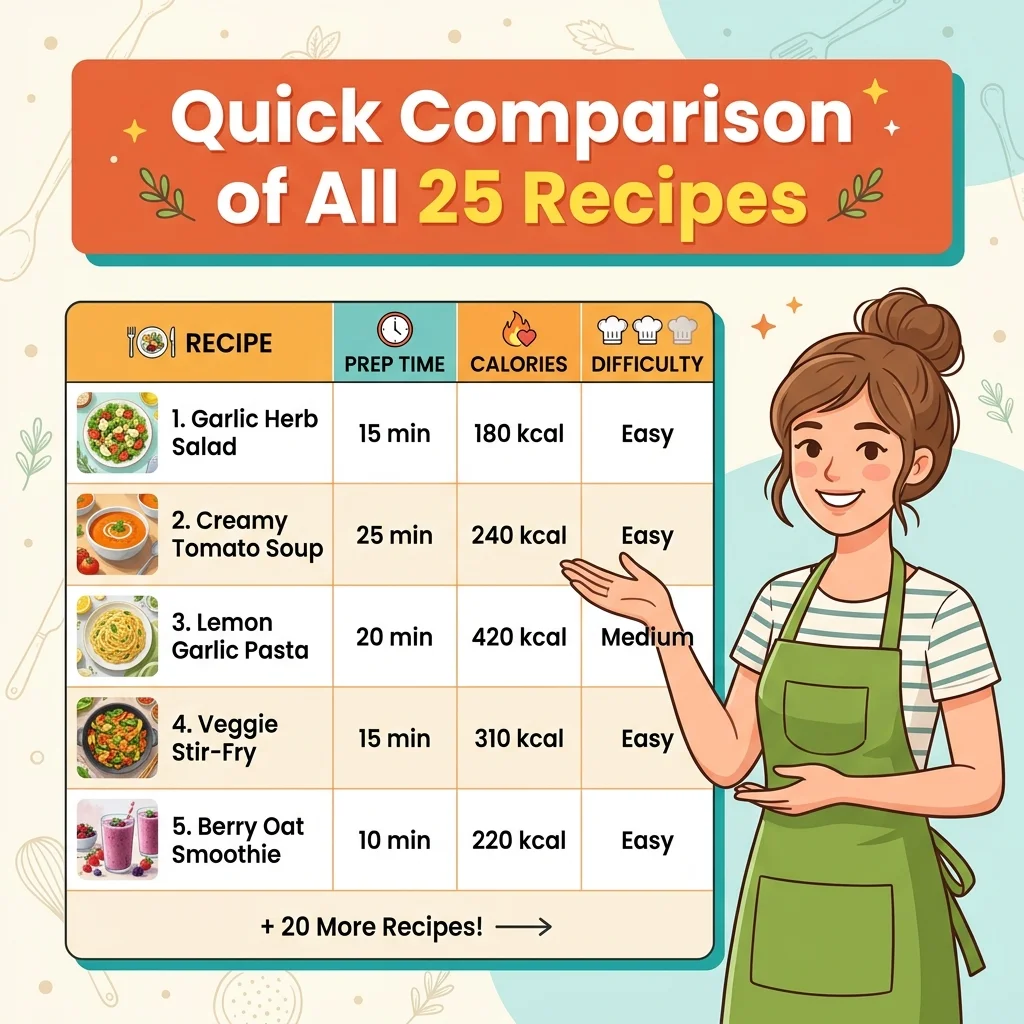
Use this table to compare the approximate calories and protein in each recipe before planning your meals.
| Recipe | Calories | Protein |
| Vegetable egg scramble | 190 | 13 g |
| Greek yogurt berry bowl | 220 | 20 g |
| Banana oatmeal | 250 | 8 g |
| Avocado egg toast | 230 | 11 g |
| Spinach mushroom omelet | 180 | 14 g |
| Grilled chicken salad | 320 | 35 g |
| Tuna cucumber salad | 230 | 28 g |
| Chickpea vegetable bowl | 290 | 12 g |
| Turkey lettuce wraps | 260 | 25 g |
| Lentil vegetable soup | 240 | 15 g |
| Lemon garlic chicken | 310 | 38 g |
| Baked salmon | 350 | 25 g |
| Cauliflower fried rice | 210 | 10 g |
| Zucchini noodles | 190 | 7 g |
| Chicken stir-fry | 300 | 32 g |
| Baked white fish | 270 | 32 g |
| Turkey vegetable soup | 260 | 25 g |
| Stuffed bell pepper | 280 | 19 g |
| Apple with peanut butter | 170 | 4 g |
| Cucumber yogurt dip | 100 | 10 g |
| Roasted chickpeas | 150 | 7 g |
| Cottage cheese and fruit | 160 | 14 g |
| Frozen yogurt bites | 110 | 10 g |
| Baked cinnamon apples | 130 | 2 g |
| Chocolate banana yogurt | 180 | 13 g |
Important: These figures are illustrative estimates. Recalculate them using the actual ingredients and weights you use. Different brands and serving sizes can produce different results.
7-Day Low Calorie Meal Plan for Weight Loss
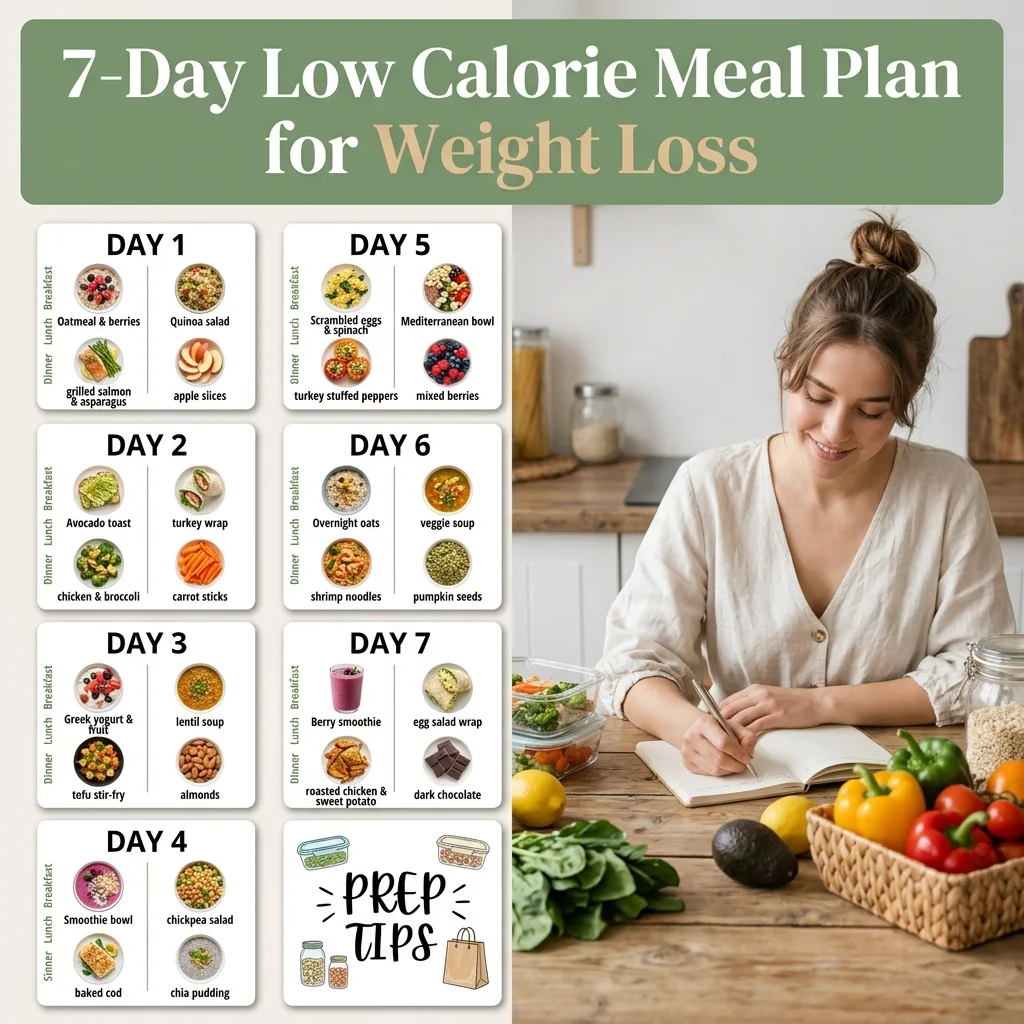
A weekly meal plan can make shopping and cooking easier. The following schedule uses the recipes above to provide variety throughout the week.
| Day | Breakfast | Lunch | Dinner |
| Monday | Vegetable egg scramble | Grilled chicken salad | Baked white fish |
| Tuesday | Banana oatmeal | Lentil soup | Chicken stir-fry |
| Wednesday | Greek yogurt bowl | Tuna salad | Baked salmon |
| Thursday | Avocado egg toast | Chickpea bowl | Stuffed bell pepper |
| Friday | Spinach omelet | Turkey lettuce wraps | Lemon garlic chicken |
| Saturday | Banana oatmeal | Grilled chicken salad | Cauliflower fried rice |
| Sunday | Greek yogurt bowl | Lentil soup | Turkey vegetable soup |
Snack choices: Apple with peanut butter, cucumber yogurt dip, roasted chickpeas, or cottage cheese with fruit.
This is a meal-planning example, not a complete daily calorie prescription. Add suitable portions of whole grains, vegetables, fruit, dairy, and other foods according to your energy and nutritional requirements. You can also increase portions or add snacks when needed.
Grocery Shopping List for Low-Calorie Meals
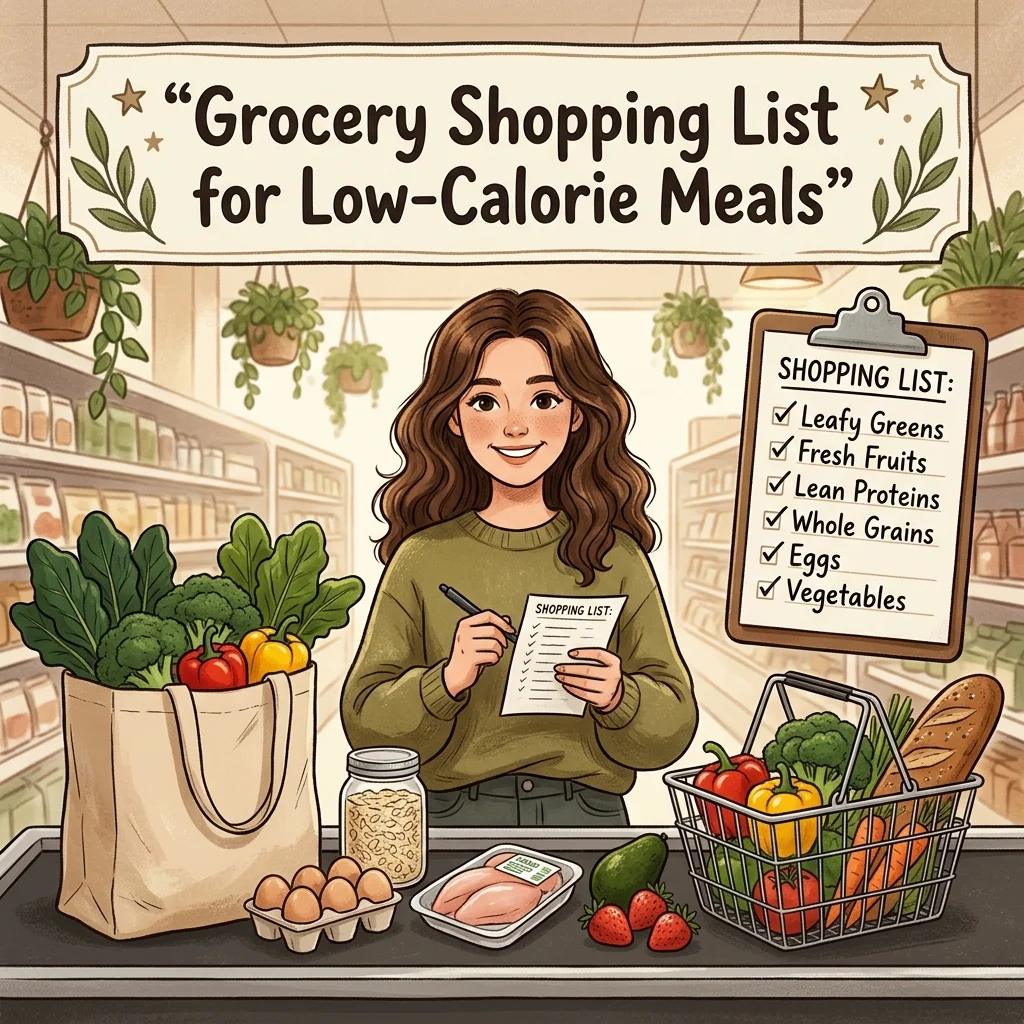
Buying ingredients before the week begins can save time and help prevent unnecessary food purchases. Use this list as a starting point and adjust the quantities according to the number of people you are cooking for.
Protein Foods
- Eggs
- Skinless chicken breast
- Lean ground turkey
- Salmon fillets
- White fish
- Tuna in water
- Plain Greek yogurt
- Cottage cheese
- Chickpeas
- Lentils
- Tofu
Vegetables
- Spinach
- Broccoli
- Lettuce
- Cucumbers
- Tomatoes
- Carrots
- Bell peppers
- Cauliflower
- Zucchini
- Mushrooms
- Onions
- Green beans
- Asparagus
- Celery
Fruits
- Apples
- Bananas
- Strawberries
- Blueberries
- Pineapple
- Lemons
Whole Grains and Pantry Ingredients
- Rolled oats
- Brown rice
- Whole-wheat bread
- Chia seeds
- Ground flaxseed
- Olive oil
- Natural peanut butter
- Low-sodium soy sauce
- Tomato sauce
- Vegetable broth
- Cinnamon
- Paprika
- Garlic powder
- Black pepper
- Cumin
Budget-Friendly Shopping Advice
Choose seasonal vegetables, dried lentils, beans, and store-brand pantry products when possible. Frozen vegetables and berries are useful alternatives to fresh produce. Compare unit prices rather than choosing products based only on package size.
You do not need to buy every ingredient in this list. Start with the recipes you plan to cook and purchase only what you need.
How to Meal Prep Low-Calorie Recipes for the Week
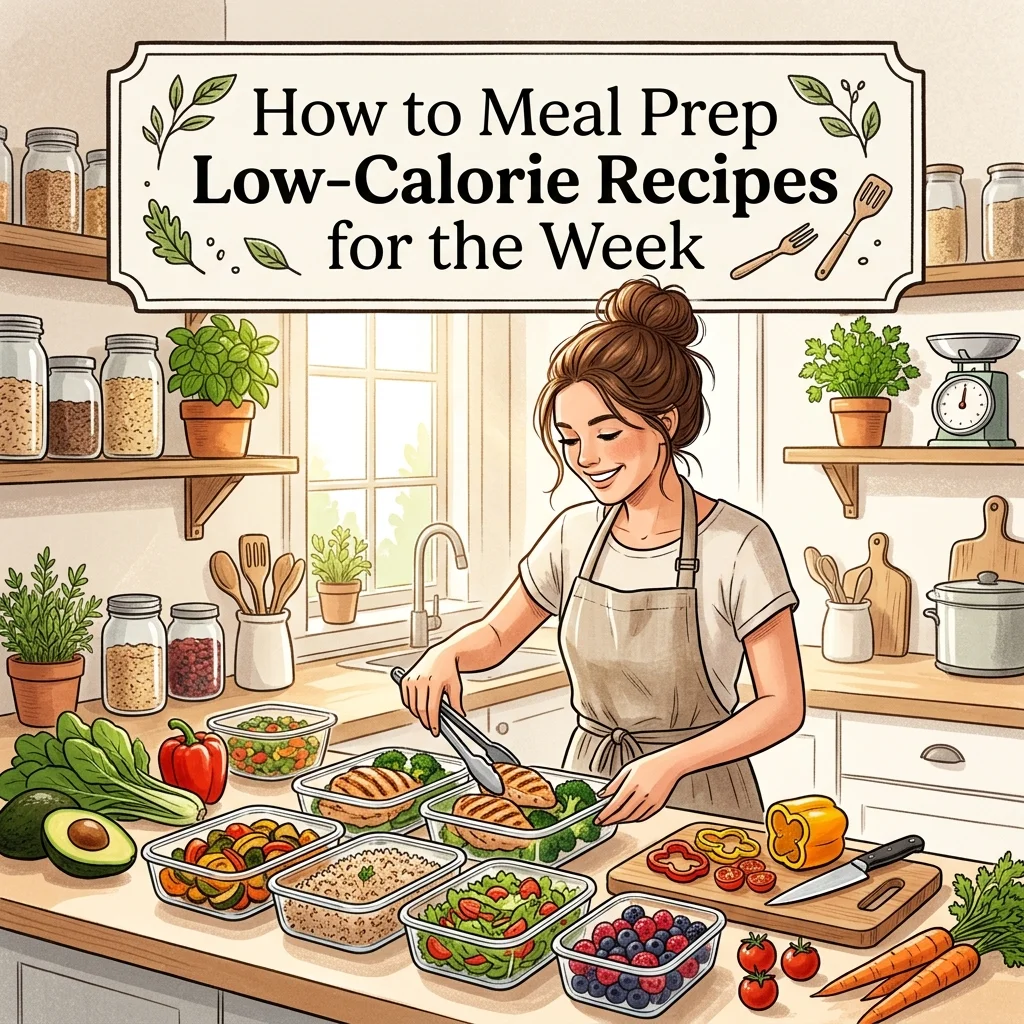
Meal preparation can help you save time and make balanced meals more convenient. You do not need to cook all 25 recipes at once. Preparing a few basic ingredients can provide several different meals.
Step 1: Choose Three or Four Main Recipes
Select meals that use overlapping ingredients. For example, grilled chicken can be used in salads, vegetable bowls, and stir-fries.
Step 2: Prepare Your Protein
Cook suitable portions of chicken, turkey, eggs, lentils, or beans. Keep raw and cooked foods separate, and use a food thermometer for meat and poultry.
Step 3: Wash and Cut Vegetables
Wash vegetables before preparing them. Chop carrots, cucumbers, bell peppers, and other ingredients and store them in clean, covered containers.
Step 4: Prepare Whole Grains
Cook brown rice or other grains according to package instructions. Divide them into portions instead of storing everything in one large container.
Step 5: Prepare Simple Dressings
Mix lemon juice, plain yogurt, herbs, and spices for quick salad dressings. Keep dressings separate until serving to prevent vegetables from becoming soggy.
Step 6: Organize Your Meals
Place prepared ingredients in individual containers and label them with the preparation date. Keep meals refrigerated or freeze portions you will not use within a few days.
Safe Food Storage
Food safety is important when preparing meals in advance.
- Refrigerate perishable food within two hours.
- Keep your refrigerator at or below 4°C (40°F).
- Store cooked leftovers in shallow, covered containers.
- Use refrigerated leftovers within three to four days or freeze them.
- Reheat leftovers to 74°C (165°F).
- Keep raw meat separate from ready-to-eat foods.
These practices follow USDA food-safety guidance.
How to Make Low-Calorie Meals More Filling
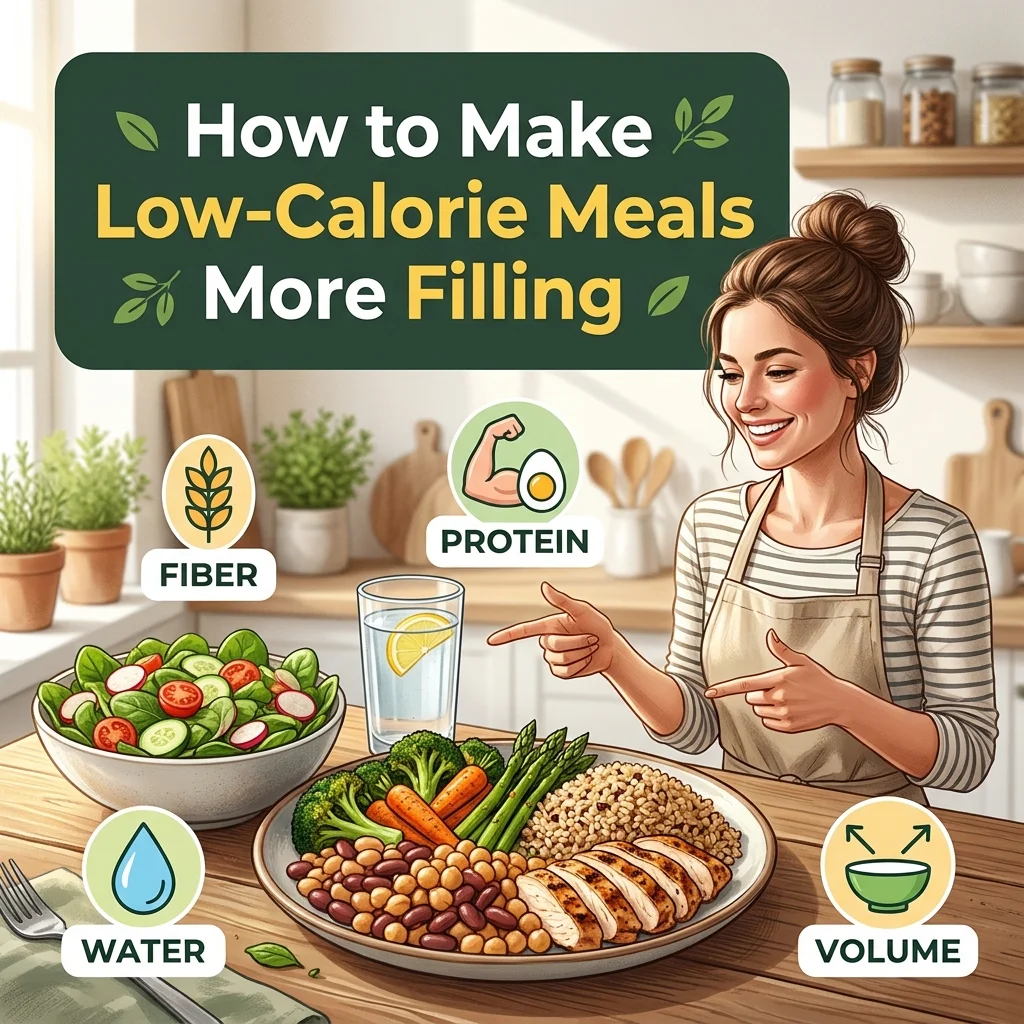
A meal should not leave you constantly hungry. Combining protein, fiber, vegetables, and appropriate carbohydrate portions can make meals more satisfying.
Include Protein
Add eggs, chicken, fish, yogurt, tofu, beans, or lentils to your main meals. Protein supports muscle maintenance and contributes to a balanced diet.
Increase Vegetable Variety
Use broccoli, spinach, carrots, cucumber, cauliflower, and other vegetables in soups, salads, and stir-fries. Different colors provide different nutrients.
Choose Fiber-Rich Carbohydrates
Oats, lentils, beans, fruit, and whole grains provide fiber and carbohydrates. You do not need to eliminate rice, bread, or potatoes to manage your weight.
Measure Oils and Sauces
Cooking oils, creamy dressings, butter, mayonnaise, and sweet sauces can add substantial calories. Measuring portions helps you understand what goes into your meals.
Keep Healthy Snacks Available
Keep fruit, yogurt, boiled eggs, and prepared vegetables available when you need something between meals. Choose snacks based on your hunger and daily nutritional needs.
How Many Calories Should You Eat to Lose Weight?

Your daily calorie requirements depend on age, sex, height, current weight, physical activity, and health conditions.
Weight loss generally requires a calorie deficit, which means consuming less energy than your body uses over time. However, the appropriate calorie intake differs from person to person.
Avoid following an extremely restrictive eating plan without professional guidance. Very-low-energy diets may cause nutritional problems and are not suitable for everyone.
A practical approach includes:
- Estimate your daily energy requirements.
- Choose a moderate calorie reduction if weight loss is appropriate.
- Eat a variety of protein sources, vegetables, fruits, and whole grains.
- Include physical activity that suits your abilities.
- Monitor your progress over time.
- Adjust your routine according to your results and energy levels.
The CDC recommends gradual, sustainable weight management rather than unrealistic short-term targets. Regular activity, sufficient sleep, and healthy eating habits all contribute to overall well-being.
If you have diabetes, kidney disease, another medical condition, take medication affecting weight, are pregnant, or have a history of disordered eating, seek individual advice from a qualified healthcare professional or registered dietitian.
Common Mistakes to Avoid When Eating Low-Calorie Meals
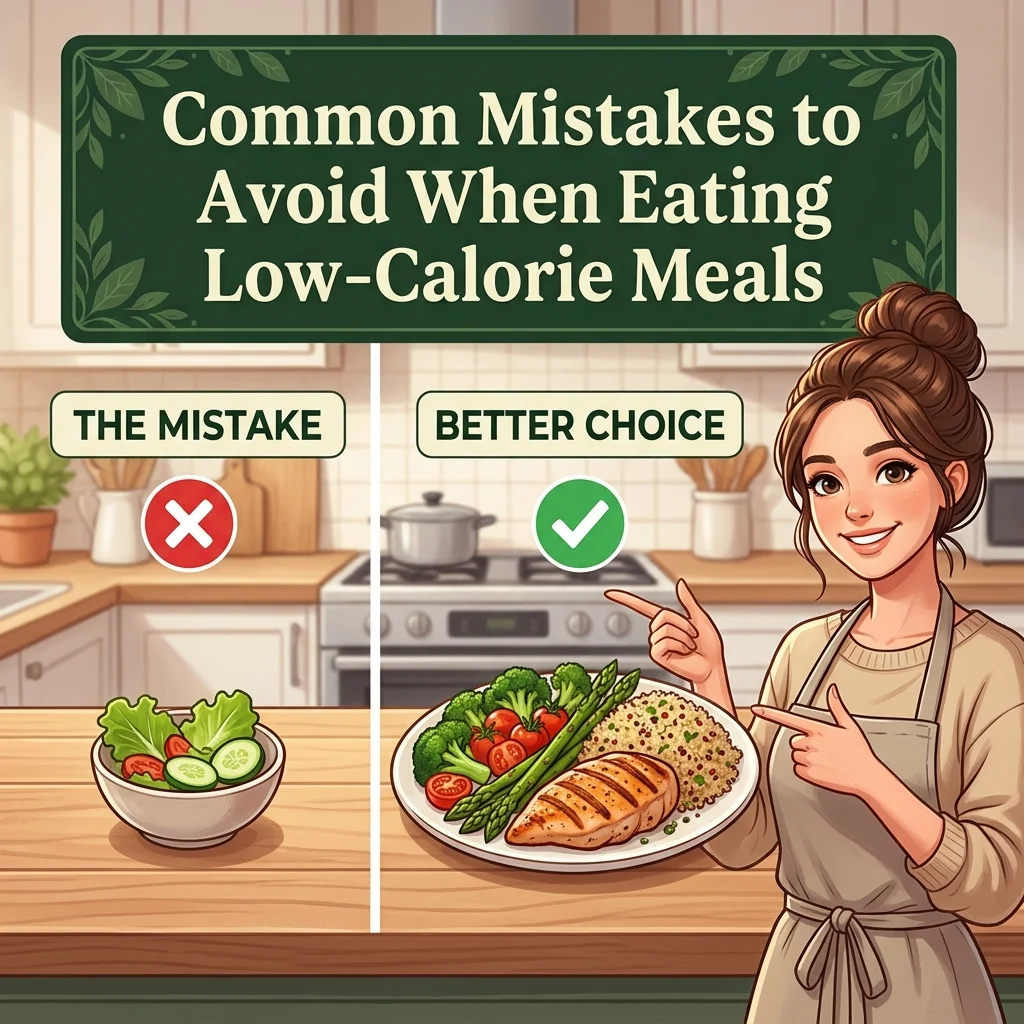
Healthy eating is not only about choosing foods with fewer calories. Your overall dietary pattern and nutritional balance matter too.
Skipping meals unnecessarily: Regularly skipping meals may make it harder to manage hunger. Choose a meal schedule that suits your lifestyle.
Eating too little protein: Meals consisting only of fruit or vegetables may not provide enough protein. Include a variety of protein-rich foods.
Avoiding all dietary fat: Your body needs dietary fats. Include reasonable portions of olive oil, avocado, nuts, seeds, and other suitable sources.
Ignoring portion sizes: Nutritious foods still contain calories. Pay attention to portions of oils, nuts, peanut butter, rice, and other energy-dense ingredients.
Relying on detox drinks: No special drink can replace balanced eating habits or magically burn body fat.
Removing entire food groups unnecessarily: Restrictive diets can make it harder to meet nutritional needs and maintain a healthy routine.
Expecting immediate results: Weight management takes time. Focus on habits you can maintain rather than dramatic short-term changes.
Frequently Asked Questions
What are the best low calorie recipes for weight loss?
Some useful options include grilled chicken salad, vegetable egg scramble, lentil soup, baked fish, Greek yogurt bowls, cauliflower fried rice, and chickpea vegetable bowls. Choose recipes that provide sufficient protein, fiber, and other nutrients for your needs.
What are some easy low calorie meals to make at home?
Vegetable omelets, tuna salads, grilled chicken bowls, lentil soup, and Greek yogurt bowls are convenient choices. Most require simple ingredients and relatively little preparation time.
What can I eat for dinner when trying to lose weight?
You can prepare grilled chicken with broccoli, baked salmon with asparagus, turkey vegetable soup, stuffed bell peppers, or baked fish with steamed vegetables. Include appropriate portions of carbohydrates and healthy fats to make dinner balanced.
What are the best low calorie breakfast ideas?
Vegetable egg scrambles, Greek yogurt bowls, banana oatmeal, avocado egg toast, and spinach omelets are practical breakfast choices. Select a meal that provides enough energy and nutrients for your morning.
What are the best high-protein low-calorie meals?
Grilled chicken salad, lemon garlic chicken, baked white fish, tuna salad, and turkey lettuce wraps are useful options. The protein content depends on the amount and type of ingredients used.
What are some cheap low calorie meals for weight loss?
Lentil soup, chickpea vegetable bowls, egg scrambles, oatmeal, and vegetable stir-fries can be prepared using affordable ingredients. Dried beans, seasonal vegetables, and frozen produce can help reduce grocery expenses.
Which foods are lowest in calories?
Many non-starchy vegetables, including cucumber, lettuce, spinach, zucchini, celery, and broccoli, are relatively low in calories. However, a balanced eating plan should also include protein, healthy fats, fruit, and suitable carbohydrate sources.
Can I eat rice while trying to lose weight?
Yes. White rice and brown rice can both fit into a balanced eating plan. Pay attention to serving sizes and consider combining rice with vegetables and a protein source.
Are eggs good for weight loss?
Eggs provide protein and several essential nutrients. They can be prepared boiled, scrambled, or in vegetable omelets. The overall nutritional value of the meal depends on added ingredients and cooking methods.
Can I eat fruit every day while losing weight?
Yes. Whole fruits such as apples, oranges, bananas, berries, and pears provide fiber, vitamins, and minerals. Enjoy different varieties as part of a balanced diet.
Can I prepare low calorie meals in advance?
Yes. You can prepare grilled chicken, lentil soup, chopped vegetables, and cooked whole grains in advance. Refrigerate perishable foods promptly and follow safe storage and reheating guidelines.
What is the best time to eat dinner for weight loss?
There is no single dinner time that guarantees weight loss. Choose a schedule that fits your lifestyle and supports consistent eating habits. Your overall dietary pattern matters more than following a specific dinner hour.
Do I need to exercise while eating low-calorie meals?
Physical activity supports general health, fitness, and weight management. Walking, cycling, swimming, and strength exercises can all contribute to an active lifestyle. Choose activities that suit your health and abilities.
Conclusion
Finding delicious low calorie recipes for weight loss does not have to be difficult. With simple ingredients, sensible portions, and a little meal planning, you can prepare satisfying breakfasts, nutritious lunches, flavorful dinners, and healthier snacks. The 25 recipes in this guide provide ideas for different tastes, budgets, and cooking preferences. From vegetable omelets and grilled chicken salads to lentil soup and frozen yogurt bites, you have plenty of options to make everyday meals more enjoyable.
Remember that successful weight management is not about eating as little as possible. It is about building balanced eating habits, meeting your nutritional needs, staying physically active, and choosing a routine you can maintain. Start with a few recipes you enjoy, prepare your grocery list, and make gradual improvements to your daily eating habits. Consistency matters more than following a perfect meal plan.

I am James Carter, a passionate writer dedicated to creating informative, engaging, and valuable content for readers. I enjoy exploring different topics, researching new ideas, and sharing knowledge through clear and meaningful writing. I am committed to providing accurate information, helpful insights, and well-crafted articles that inspire and educate audiences. With a strong focus on quality and creativity, I aim to connect with readers and deliver content that adds real value.