Losing weight can be a major achievement. It can improve your mobility, support better health, and help you feel more comfortable in your body. However, there is one concern that many people overlook when starting a weight-loss journey: loose skin.
If you are planning to lose 20, 50, or even 100 pounds, you may wonder whether your skin will shrink as your body gets smaller. The answer depends on several factors, including your age, genetics, starting weight, skin elasticity, and how long you have carried excess weight.
When you lose body fat, your skin does not always shrink at the same rate. This can leave extra skin around your stomach, upper arms, thighs, chest, and other areas. The changes may be minor for some people but more noticeable after substantial weight loss.
The good news is that certain lifestyle habits can help you maintain muscle, support normal skin function, and improve your body’s appearance during weight loss. These include losing weight gradually, eating enough protein, performing resistance exercises, getting adequate nutrition, and protecting your skin from sun damage.
However, it is important to set realistic expectations. No exercise, food, cream, or supplement can guarantee that you will avoid loose skin when losing weight. Some people develop excess skin despite following healthy habits.
This guide explains how to prevent loose skin during weight loss, which foods and exercises may help, what happens when you lose different amounts of weight, and which treatments are available if loose skin remains after reaching your goal.
What Causes Loose Skin After Weight Loss?
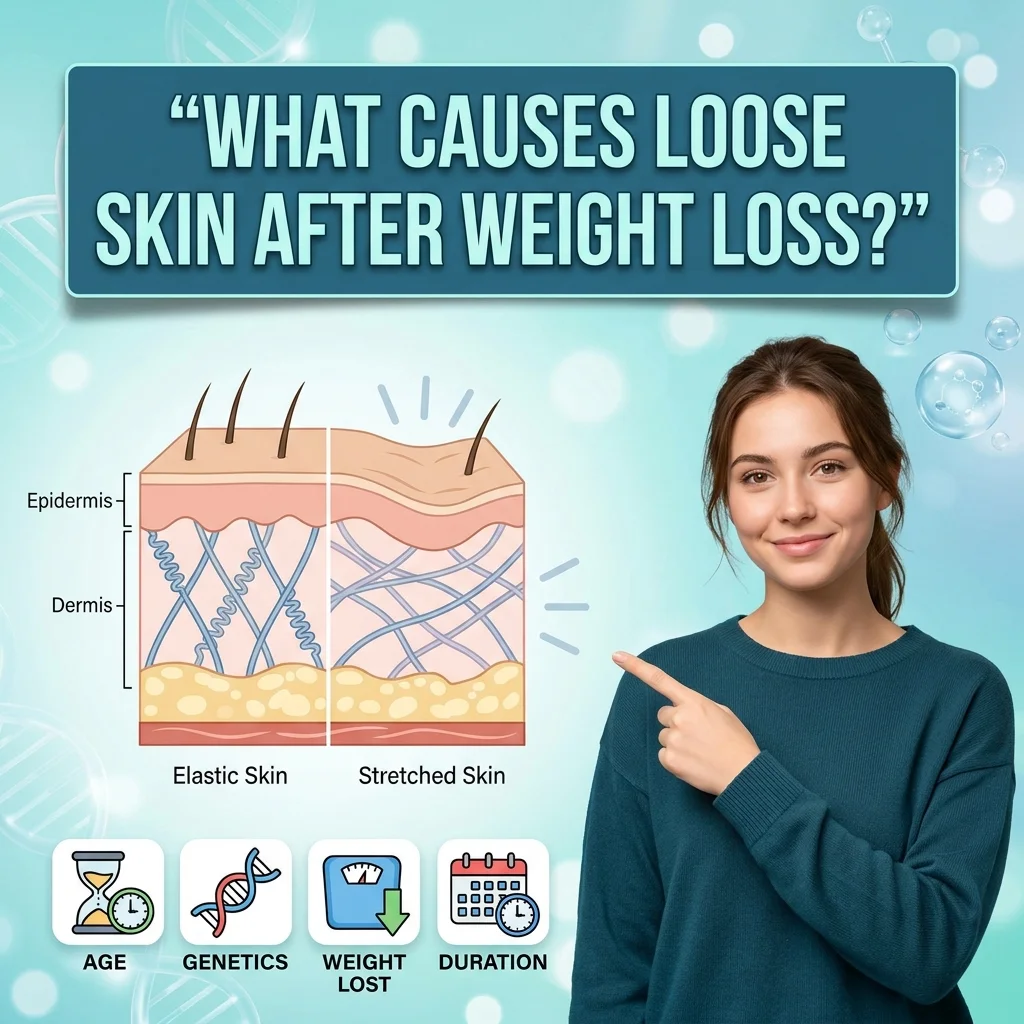
Your skin is a flexible organ that can stretch as your body changes. Two important proteins help maintain its structure and elasticity: collagen and elastin.
Collagen provides strength and structural support. Elastin allows your skin to stretch and move back toward its original shape.
When you gain weight, the skin expands to accommodate the additional fat underneath it. If the skin remains stretched for a long period, its ability to return to its previous shape may decrease.
After weight loss, the fat layer becomes smaller. However, the skin may not shrink completely to match your new body size. This is why loose skin after losing weight is common, especially after major weight changes.
Several factors influence how much excess skin you may develop.
1. The Amount of Weight You Lose
The amount of weight lost is one of the most important considerations. Losing 10 or 15 pounds may cause little visible skin looseness, while losing 80 or 100 pounds can leave more noticeable excess skin.
This is not a strict rule because people have different body compositions and skin elasticity.
2. Your Age
Skin generally becomes less elastic with age. Collagen production also changes over time, which can make it harder for stretched skin to return to its previous shape.
Younger adults may experience better skin retraction, but they are not completely protected from loose skin.
3. Genetics
Your genes influence skin thickness, collagen production, elasticity, and fat distribution.
Two people can lose the same amount of weight and experience completely different results.
4. How Long You Have Carried Extra Weight
Skin that has remained stretched for several years may have more difficulty adapting after weight loss.
The duration of excess weight can therefore influence how much loose skin remains.
5. Smoking and Sun Exposure
Smoking and excessive ultraviolet exposure can damage skin structures and contribute to premature ageing.
Protecting your skin and avoiding tobacco can support its long-term health, although these habits cannot reverse significant excess skin.
6. Muscle Loss During Weight Reduction
When you lose weight, you may lose both fat and muscle. Losing too much muscle can make your body appear less firm.
This is one reason why strength training and adequate protein intake are important during a weight-loss program.
How to Avoid Loose Skin When Losing Weight: 15 Effective Tips
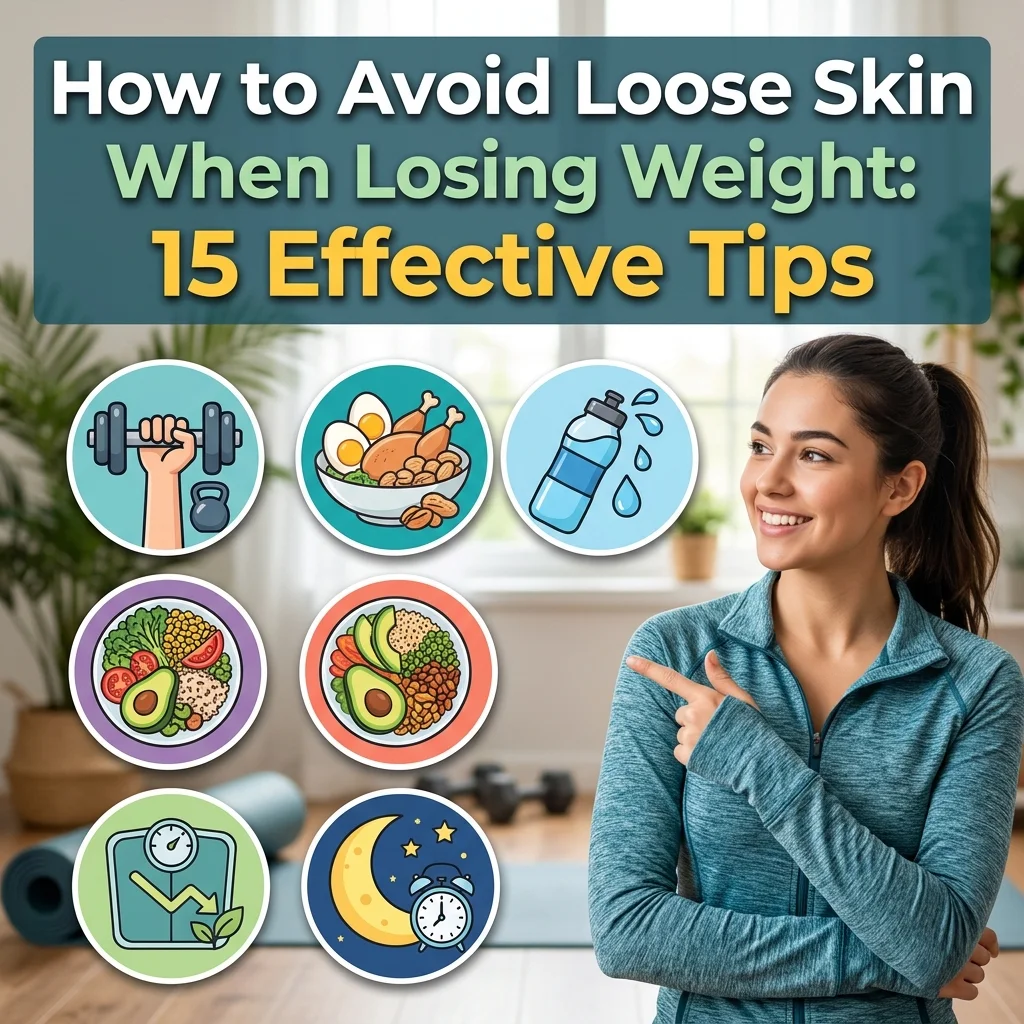
Although you cannot completely control your skin’s response to weight loss, you can follow habits that support muscle retention and healthy skin.
1. Lose Weight Gradually Instead of Following Crash Diets
One of the best ways to approach weight loss is to avoid extreme methods.
Rapid weight reduction can make it difficult to maintain muscle, meet nutritional needs, and develop sustainable habits. A gradual approach gives you more time to build routines that support your overall health.
For many adults, losing approximately 1–2 pounds per week is a commonly recommended general target. However, your appropriate rate may differ depending on your starting weight, health conditions, medications, and medical advice.
If you want to know how to lose weight without loose skin, start with a manageable calorie deficit rather than dramatically reducing your food intake.
Practical steps include:
- Eat regular, balanced meals.
- Avoid starvation diets.
- Include protein in your meals.
- Combine resistance training with cardio.
- Monitor your progress over several weeks.
- Adjust your plan when necessary.
For example, someone aiming to lose 40 pounds may benefit from a sustainable plan that takes several months rather than trying to reach the goal in a few weeks.
Does losing weight slowly prevent loose skin?
It may help you maintain muscle and follow a healthier weight-loss routine, but it cannot guarantee that your skin will tighten completely. The amount of weight lost, age, genetics, and skin elasticity still matter.
2. Eat Enough Protein to Maintain Muscle
Protein is essential when you are trying to lose weight while preserving muscle.
During a calorie deficit, your body may use some muscle tissue for energy. Eating enough protein and performing resistance exercises can help reduce muscle loss.
Protein also supplies amino acids that your body uses to build and repair tissues, including collagen.
Include protein-rich foods such as:
- Eggs
- Chicken
- Fish
- Lean beef
- Greek yogurt
- Milk
- Lentils
- Chickpeas
- Beans
- Tofu
- Cottage cheese
For example, you could eat eggs at breakfast, chicken or lentils at lunch, and fish or beans at dinner.
Your protein requirements depend on your body weight, activity level, age, and health. People who exercise regularly may have different requirements from those who are less active.
If you have kidney disease or another condition that affects protein intake, ask your healthcare professional before increasing your protein consumption.
Remember that protein does not directly remove loose skin. Its main benefit is helping your body maintain muscle and supporting normal tissue repair.
3. Perform Strength Training at Least Twice a Week
If you want to know how to keep skin firm while losing weight, strength training deserves special attention.
When you lose body fat, the muscles underneath your skin may also become smaller if you do not use them regularly or eat enough protein.
Resistance training helps preserve and develop muscle. This can improve body composition and make some areas look firmer.
You can start at home without expensive equipment.
Try these exercises:
- Squats
- Push-ups
- Lunges
- Glute bridges
- Dumbbell rows
- Shoulder presses
- Planks
- Resistance band exercises
A beginner can start with two full-body sessions per week. As strength and fitness improve, training can be adjusted to include additional sessions.
For example, train your legs and upper body on separate days or use a full-body routine that works several muscle groups.
Strength training cannot remove a large amount of hanging skin. However, maintaining muscle may improve the appearance of mild skin looseness.
4. Stay Hydrated Throughout the Day
Water supports normal body functions, including the maintenance of healthy skin.
When you become dehydrated, your skin may appear dry or less plump. Maintaining adequate hydration can improve skin comfort and support normal physiological processes.
You can support hydration by:
- Drinking water regularly.
- Keeping a water bottle nearby.
- Eating fruits and vegetables with high water content.
- Drinking additional fluids when sweating heavily.
- Paying attention to thirst.
Water-rich foods include watermelon, cucumber, oranges, strawberries, tomatoes, and lettuce.
There is no universal amount of water that will tighten loose skin. Your fluid requirements depend on your body, activity level, climate, and medical needs.
Drinking excessive amounts of water will not make stretched skin shrink faster. Aim for adequate hydration rather than treating water as a skin-tightening solution.
5. Eat Nutrients That Support Collagen Production
Collagen helps provide structure to your skin. Your body produces it naturally, but it requires certain nutrients to support this process.
Vitamin C is particularly important because it plays a role in collagen formation.
Include foods such as:
- Guava
- Oranges
- Lemons
- Kiwi
- Strawberries
- Bell peppers
- Broccoli
- Tomatoes
Other nutrients also support normal skin function.
Vitamin A helps maintain healthy skin tissue. Vitamin E provides antioxidant activity, while zinc contributes to normal tissue repair.
You can obtain these nutrients from carrots, sweet potatoes, spinach, almonds, sunflower seeds, beans, and other whole foods.
A practical meal could include grilled fish, brown rice, broccoli, and an orange.
You do not need expensive superfoods. A varied diet that supplies sufficient protein, vitamins, minerals, and healthy fats is a sensible foundation.
6. Avoid Extreme Calorie Restriction
Eating too little can make weight loss harder to manage.
Extreme calorie restriction may leave you without enough protein and essential nutrients. It can also contribute to fatigue, nutritional deficiencies, and muscle loss.
Instead, aim for a moderate calorie deficit that you can maintain.
Build your meals around:
- Lean protein
- Vegetables
- Fruits
- Whole grains
- Healthy fats
- High-fiber foods
Avoid detox drinks, starvation diets, and unverified weight-loss products that promise dramatic results.
If you have obesity or a medical condition requiring a more intensive weight-management approach, work with a qualified healthcare professional.
7. Combine Cardio With Resistance Training
Cardio activities help improve cardiovascular fitness and support weight management.
Walking, cycling, swimming, dancing, and jogging are useful ways to stay active.
However, cardio alone does not provide the same muscle-building stimulus as resistance training. Combining both types of exercise creates a more balanced routine.
For general health, adults are advised to aim for at least 150 minutes of moderate-intensity aerobic activity each week and muscle-strengthening activities on at least two days.
A simple routine could include brisk walking on several days and resistance training twice or three times per week.
Start slowly if you are new to exercise. Increase the duration and intensity as your fitness improves.
8. Include Healthy Fats in Your Diet
Healthy fats help your body absorb certain vitamins and provide essential fatty acids.
Do not remove all fats from your diet just because you want to lose weight.
Useful sources include:
- Avocados
- Almonds
- Walnuts
- Chia seeds
- Flaxseeds
- Olive oil
- Salmon
- Sardines
These foods provide different nutrients that support overall health.
However, healthy fats are calorie-dense, so portion sizes matter when you are following a calorie-controlled diet.
There is no single fat-containing food that can prevent loose skin. Focus on overall dietary quality rather than expecting a specific food to tighten your body.
9. Protect Your Skin From Sun Damage
Excessive ultraviolet exposure can damage collagen and elastin. Over time, this can contribute to wrinkles, premature ageing, and reduced skin elasticity.
Protecting your skin is especially important if you spend a lot of time outdoors.
Follow these habits:
- Apply broad-spectrum SPF 30 or higher sunscreen to exposed skin.
- Wear protective clothing.
- Use a hat in strong sunlight.
- Seek shade when UV levels are high.
- Reapply sunscreen according to the product instructions.
Sun protection cannot remove loose skin, but it helps limit additional UV-related damage.
10. Avoid Smoking and Nicotine
Smoking is harmful to your overall health and can accelerate visible skin ageing.
Tobacco exposure contributes to oxidative stress and damages important skin structures.
If you smoke, consider getting professional support to quit.
Avoiding smoking is a useful step toward healthier skin and better long-term health. However, quitting cannot guarantee that existing loose skin will disappear.
11. Get Seven to Nine Hours of Sleep
Sleep supports recovery, energy regulation, and healthy lifestyle habits.
When you consistently sleep poorly, you may experience increased hunger, low energy, and difficulty following an exercise routine.
Most adults benefit from approximately seven to nine hours of sleep each night.
To improve sleep quality:
- Maintain a consistent bedtime.
- Reduce caffeine late in the day.
- Keep your bedroom dark and comfortable.
- Limit screen use before sleeping.
- Exercise regularly.
- Allow sufficient recovery after challenging workouts.
Sleep is not a direct skin-tightening treatment, but it supports the overall health habits that make weight management easier.
12. Use Moisturizer for Dry or Dehydrated Skin
A good moisturizer can improve your skin’s surface appearance.
Ingredients such as glycerin, hyaluronic acid, ceramides, and petrolatum help support skin hydration.
Apply moisturizer after bathing, especially if your skin feels dry.
However, it is important to understand the difference between hydrated skin and tightened skin.
Moisturizers can temporarily make the skin look smoother and plumper. They cannot remove significant folds of excess skin.
Be cautious about expensive products that promise permanent skin tightening.
13. Maintain Your Weight After Reaching Your Goal
Maintaining a stable weight is an important part of long-term weight management.
After reaching your target, continue eating balanced meals and exercising regularly.
Useful habits include:
- Maintaining a consistent exercise routine.
- Continuing strength training.
- Eating adequate protein.
- Monitoring long-term weight trends.
- Avoiding repeated crash diets.
- Getting sufficient sleep.
Stable weight is also important if you eventually consider body-contouring surgery.
14. Give Your Muscles Enough Recovery Time
Your muscles need time to recover after challenging resistance exercises.
Training excessively without recovery can cause fatigue and make your exercise routine difficult to maintain.
A balanced weekly schedule might include two or three strength sessions, several moderate cardio sessions, and lighter recovery days.
Gentle walking and stretching can be useful on recovery days.
If you experience persistent pain, dizziness, or unusual fatigue, stop the activity and seek medical advice when appropriate.
15. Be Patient and Set Realistic Expectations
Skin does not always adjust immediately after weight loss.
Some people notice gradual improvements over several months. Others continue to have excess skin even after reaching and maintaining their goal weight.
Avoid judging your results too quickly.
Focus on your strength, nutrition, fitness, and overall health rather than expecting your skin to look exactly as it did before weight gain.
How to Avoid Loose Skin When Losing 20, 50, or 100 Pounds
The amount of weight you plan to lose can influence how much loose skin you develop. However, there is no exact formula that predicts your results.
Your starting body size, age, genetics, weight history, and skin elasticity all matter.
How to Avoid Loose Skin When Losing 20 Pounds
Losing 20 pounds may cause little visible loose skin for some people, particularly when the weight loss is gradual.
To support your skin:
- Eat enough protein.
- Perform resistance training twice a week or more.
- Avoid crash diets.
- Maintain a balanced diet.
- Stay physically active.
- Protect your skin from excessive sun exposure.
If you have been higher-weight person for many years or have lower skin elasticity, you may still notice some changes.
How to Avoid Loose Skin When Losing 50 Pounds
Losing 50 pounds is a more substantial change. Some people develop loose skin around their stomach, upper arms, thighs, or chest.
Use a structured plan that includes gradual weight loss, adequate protein, and regular strength training.
Pay particular attention to maintaining muscle while reducing body fat.
If you develop excess skin that causes chafing or discomfort, consult a healthcare professional.
How to Prevent Loose Skin When Losing 100 Pounds
Losing 100 pounds can produce significant changes in body size. In this situation, excess skin is more likely to remain because the skin may have been stretched considerably.
You can still support your body by:
- Following a professionally appropriate weight-loss plan.
- Maintaining adequate protein intake.
- Performing resistance exercises.
- Eating a nutrient-rich diet.
- Avoiding smoking.
- Allowing time for your weight to stabilize.
Even with these habits, substantial loose skin may remain. Body-contouring procedures may be an option after major weight loss, depending on your health and circumstances.
Loose Skin or Remaining Belly Fat: How to Tell the Difference
Many people assume that every soft or hanging area after weight loss is loose skin. However, remaining body fat and excess skin are different things.
Remaining fat is tissue underneath the skin. It may feel thicker and fuller when you gently pinch the area.
Loose skin is excess skin that has lost some of its ability to retract. It may appear thin, wrinkled, folded, or hanging.
Some people have both remaining fat and loose skin in the same area.
A simple visual examination cannot always distinguish between them. If you are unsure, a healthcare professional can assess your body composition and skin condition.
This distinction matters because exercise and nutrition can change body fat and muscle, but they cannot remove large amounts of excess skin.
Best Foods to Support Skin Health During Weight Loss
There is no special food that guarantees tight skin. However, a balanced diet can provide the nutrients your body needs for normal skin function and muscle maintenance.
| Food | Main nutrients | Why include it |
| Eggs | Protein, vitamin A | Supports tissue maintenance |
| Fish | Protein, omega-3 fats | Provides protein and essential fats |
| Guava | Vitamin C | Supports collagen production |
| Oranges | Vitamin C | Helps meet vitamin C requirements |
| Almonds | Vitamin E, healthy fats | Provides antioxidant nutrients |
| Spinach | Vitamins A and C | Contributes to a balanced diet |
| Carrots | Beta-carotene | Provides a vitamin A precursor |
| Lentils | Protein, iron | Helps meet nutritional needs |
| Greek yogurt | Protein | Supports muscle maintenance |
| Avocados | Healthy fats | Provides essential nutrients |
| Walnuts | Omega-3 fats | Supports overall nutrition |
| Broccoli | Vitamin C, fiber | Provides vitamins and fiber |
Sample Daily Meal Plan for Weight Loss and Muscle Maintenance
| Meal | Example |
| Breakfast | Two eggs, whole-grain toast, and an orange |
| Morning snack | Plain Greek yogurt |
| Lunch | Grilled chicken, brown rice, and vegetables |
| Afternoon snack | Guava or apple with a few almonds |
| Dinner | Fish or lentils with vegetables |
| Optional snack | Cottage cheese or plain yogurt |
Adjust the portions according to your calorie requirements, activity level, and health needs. This is a general example, not an individualized nutrition prescription.
Best Exercises to Prevent Loose Skin on Different Body Areas
Strength training helps preserve muscle and may improve the appearance of mild skin looseness.
However, no exercise can selectively remove loose skin from one part of the body.
Exercises for Loose Belly Skin
If you are concerned about loose skin around your stomach, strengthen your abdominal muscles with:
- Planks
- Reverse crunches
- Dead bugs
- Bicycle crunches
- Controlled leg raises
These exercises improve core strength. They do not directly burn belly fat or remove excess skin.
Exercises for Loose Skin on Your Arms
To develop your upper-body muscles, try:
- Bicep curls
- Tricep extensions
- Push-ups
- Dumbbell rows
- Shoulder presses
- Resistance band exercises
These movements strengthen the muscles around your arms and shoulders.
Exercises for Loose Skin on Your Thighs
Lower-body strength training can improve muscle development and overall leg strength.
Useful exercises include:
- Squats
- Lunges
- Step-ups
- Glute bridges
- Romanian deadlifts
- Calf raises
Start with movements you can perform safely and increase resistance gradually.
How Long Does Skin Take to Tighten After Weight Loss?
There is no universal timeline for skin tightening.
Some people notice changes over several months. Others may see continued adjustment over a longer period, while significant excess skin may remain permanently.
The result depends on:
- Age
- Genetics
- Starting weight
- Total weight lost
- Duration of previous weight gain
- Skin elasticity
- Overall health
If you have mild looseness, maintaining a stable weight and following healthy habits may improve its appearance over time.
If you have large hanging folds, lifestyle changes are unlikely to remove them completely.
Does Collagen Help Prevent Loose Skin?
Collagen supplements are popular among people who want firmer-looking skin.
Collagen is a structural protein found throughout the body. Some research suggests that oral collagen supplements may improve certain skin measurements, including hydration and elasticity.
However, evidence that collagen supplements prevent loose skin after major weight loss is insufficient.
If you consider taking collagen, choose a reputable product, check its ingredients, and discuss it with a healthcare professional if you take medications or have medical conditions.
Vitamin C and adequate dietary protein also support normal collagen production.
Remember that improving skin hydration or elasticity is not the same as removing excess skin.
Can Loose Skin Go Away Naturally?
Loose skin may improve to some extent after weight loss, but it depends on how much excess skin remains.
Mild Loose Skin
Mild skin looseness may become less noticeable with time, healthy nutrition, and muscle development.
Strength training can improve the shape of the underlying muscles. Moisturizing can also improve the appearance of dry skin.
Moderate or Severe Loose Skin
Significant loose skin may form folds around the stomach, arms, thighs, or chest.
Exercise and diet cannot remove large amounts of excess skin. In these cases, medical assessment can help determine whether a treatment is appropriate.
Loose skin is not a sign that your weight-loss journey has failed. It is a possible physical consequence of major changes in body size.
Medical Treatments for Loose Skin After Weight Loss
When lifestyle changes are not enough, medical treatments may be available.
The right option depends on the amount of excess skin, the affected area, your medical history, and your expectations.
Radiofrequency Skin Tightening
Radiofrequency treatments use controlled energy to heat targeted tissue.
Some procedures may stimulate collagen remodeling and improve mild skin laxity.
Results vary, and more than one treatment may be needed. These procedures are not designed to remove large hanging skin folds.
Ultrasound Skin Tightening
Certain ultrasound treatments deliver focused energy beneath the skin’s surface.
They may improve mild skin looseness in selected patients. A qualified dermatologist or appropriately trained medical professional can explain the expected results and limitations.
Laser Treatments
Some laser procedures improve skin texture and stimulate collagen remodeling.
They may be useful for selected skin concerns, but they cannot replace surgery when substantial excess skin remains.
Body Contouring Surgery
For people with major weight loss, surgery may provide the most direct way to remove excess skin.
Common procedures include:
- Tummy tuck (abdominoplasty): Removes excess abdominal skin and may repair separated abdominal muscles.
- Panniculectomy: Removes hanging tissue from the lower abdomen.
- Arm lift (brachioplasty): Removes excess skin from the upper arms.
- Thigh lift: Removes excess skin from the thighs.
- Lower body lift: Addresses excess skin around the abdomen, hips, and buttocks.
These procedures involve surgical risks, including bleeding, infection, blood clots, scarring, and wound-healing problems.
Body-contouring surgery is not a weight-loss method. Candidates generally need to be healthy and have maintained a stable weight.
Discuss the benefits, risks, recovery period, and possible complications with a qualified plastic surgeon before making a decision.
Common Mistakes That Can Make Loose Skin More Noticeable
Avoiding a few common mistakes can make your weight-loss plan healthier and easier to maintain.
1. Doing Only Cardio
Cardio supports fitness, but ignoring resistance training may make it harder to maintain muscle.
Include strength exercises in your weekly schedule.
2. Eating Too Little Protein
Inadequate protein intake can make muscle maintenance more difficult.
Include suitable protein sources throughout your day.
3. Following Extreme Diets
Crash diets may lead to nutritional problems and muscle loss.
Choose a sustainable approach that provides adequate nutrients.
4. Spending Money on Miracle Creams
Moisturizers may improve skin hydration, but ordinary creams cannot remove large amounts of excess skin.
Be careful about products promising permanent results.
5. Expecting Immediate Results
Skin changes do not happen overnight.
Give your body time to adjust and focus on healthy habits instead of comparing your appearance with others.
A Simple Weekly Workout Plan for Weight Loss and Muscle Maintenance
A balanced routine can help you stay active while preserving muscle.
| Day | Exercise | Purpose |
| Monday | Full-body strength training | Maintain muscle |
| Tuesday | 30-minute brisk walk | Improve cardiovascular fitness |
| Wednesday | Upper-body strength training | Develop upper-body strength |
| Thursday | Walking and gentle stretching | Recovery |
| Friday | Lower-body strength training | Strengthen legs and glutes |
| Saturday | Swimming or cycling | Improve fitness |
| Sunday | Rest | Muscle recovery |
Beginners can start with two strength sessions per week and gradually increase their activity.
If you have a medical condition, joint problems, or significant mobility limitations, ask a healthcare professional about an appropriate exercise plan.
Frequently Asked Questions About How to Avoid Loose Skin When Losing Weight
1. How Can I Lose 50 Pounds Without Loose Skin?
There is no guaranteed way to lose 50 pounds without loose skin. However, gradual weight loss, adequate protein, strength training, and balanced nutrition may help preserve muscle and support skin health.
Your age, genetics, starting weight, and skin elasticity also influence the outcome.
2. How Can I Prevent Loose Skin When Losing 100 Pounds?
Losing 100 pounds can leave substantial excess skin, especially if your skin has remained stretched for years.
Follow a professionally appropriate weight-loss plan, maintain muscle, eat sufficient protein, and give your body time to adjust. Some people may still need body-contouring surgery to remove significant excess skin.
3. Does Losing Weight Slowly Prevent Loose Skin?
Gradual weight loss can support muscle maintenance and sustainable nutrition habits.
However, it does not guarantee that loose skin will be prevented. Other factors, including genetics and the amount of weight lost, also matter.
4. Can Walking Prevent Loose Skin?
Walking supports cardiovascular health and weight management.
However, walking alone does not directly tighten loose skin. Combining it with strength training can help you maintain muscle during weight loss.
5. Does Building Muscle Help With Loose Skin?
Building muscle may improve the appearance of mild skin looseness by developing the tissue underneath the skin.
However, it cannot remove significant amounts of excess skin.
6. What Are the Best Exercises to Prevent Loose Skin?
Squats, lunges, push-ups, planks, dumbbell rows, and resistance band exercises can help maintain muscle.
A routine that works all major muscle groups is more useful than focusing on one body area.
7. Can Drinking More Water Tighten Loose Skin?
Adequate hydration supports normal skin function and helps prevent dehydration.
However, drinking excessive amounts of water will not tighten stretched skin or remove hanging folds.
8. Does Loose Skin Disappear After Weight Loss?
Mild loose skin may improve over time, but significant excess skin may remain.
The outcome depends on your age, genetics, amount of weight lost, and skin elasticity.
9. Can Collagen Supplements Prevent Loose Skin?
Some research suggests collagen supplements may improve certain skin measurements, but there is insufficient evidence that they prevent excess skin after major weight loss.
They should not replace a balanced diet or professional medical advice.
10. Which Body Areas Commonly Develop Loose Skin?
Common areas include:
- Stomach and lower abdomen
- Upper arms
- Inner thighs
- Chest
- Back
- Buttocks
- Neck and face
The affected areas vary from person to person.
11. Is Loose Skin After Weight Loss Permanent?
It can be permanent, particularly after significant weight loss.
Some skin may gradually improve, but large folds often require medical treatment or surgical removal if a person wants them removed.
12. Can Exercise Tighten Loose Belly Skin?
Exercise can strengthen abdominal muscles and improve core stability. It may make your stomach look firmer, but it cannot remove excess skin.
13. At What Age Does Loose Skin Become More Noticeable?
Skin elasticity generally decreases with age, so older adults may experience more noticeable looseness after weight loss.
However, there is no specific age at which loose skin becomes inevitable.
Final Thoughts
Learning how to avoid loose skin when losing weight can help you make better decisions throughout your fitness journey. Although you cannot completely control how your skin responds, you can support your body through gradual weight loss, adequate protein, resistance training, balanced nutrition, and consistent healthy habits.
If you plan to lose 20, 50, or 100 pounds, focus on a sustainable approach instead of trying to reach your goal as quickly as possible. Maintain muscle, protect your skin from sun damage, get sufficient sleep, and avoid extreme diets.

I am Daniel Scott, a passionate writer dedicated to creating meaningful and engaging content that informs, inspires, and connects with readers worldwide. I am passionate about exploring ideas, sharing knowledge, and presenting stories with clarity and creativity. My writing focuses on delivering valuable insights through well-researched articles and thoughtful perspectives. I am committed to maintaining accuracy, originality, and a reader-first approach in every piece I create.