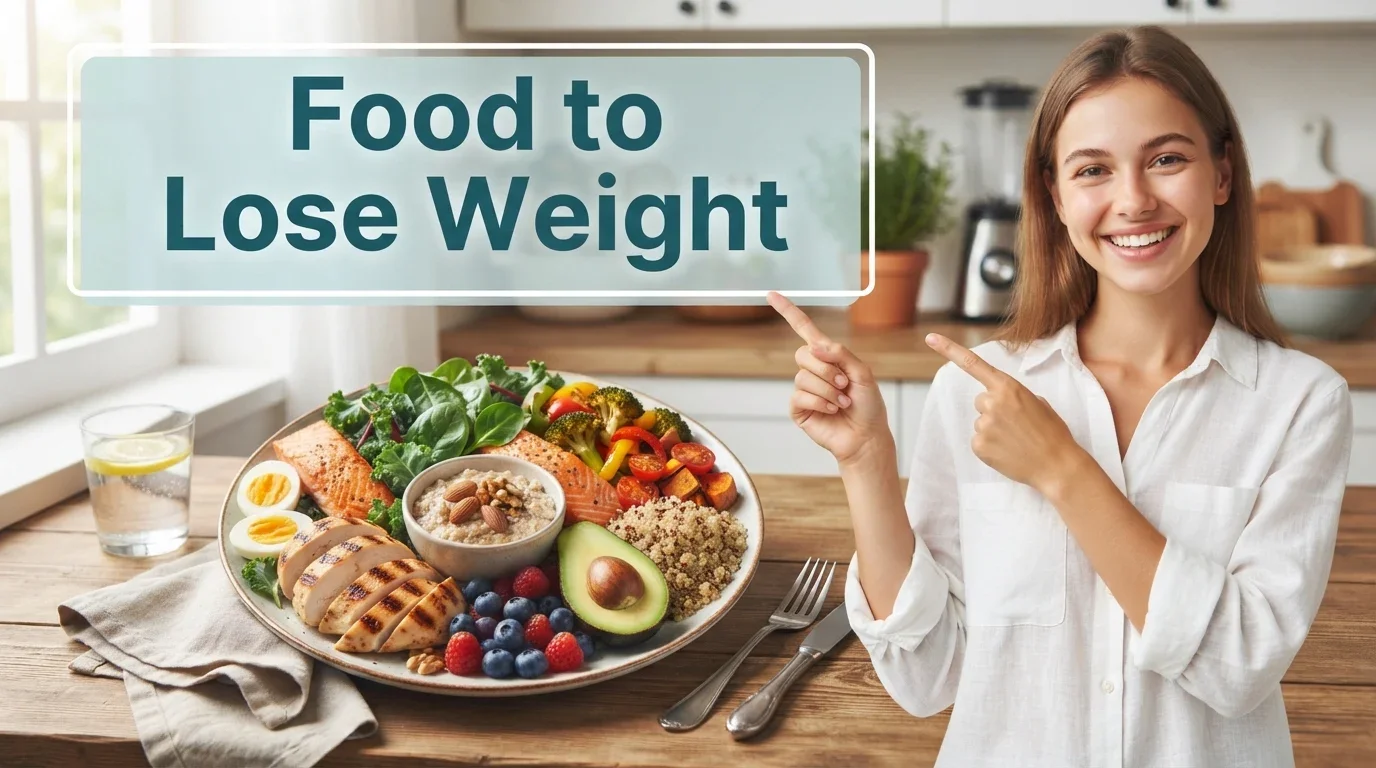
Losing weight does not mean starving yourself, skipping meals, or giving up the foods you enjoy. The key is to choose nutritious foods that satisfy your hunger, provide essential nutrients, and help you maintain a healthy calorie balance. Finding the right food to lose weight can make your journey easier and more sustainable.
Many healthy foods contain protein, dietary fiber, water, vitamins, and minerals. These nutrients support normal body functions and help you create filling meals without consuming excessive calories. For example, eggs provide high-quality protein, oats supply soluble fiber, vegetables add volume to your plate, and fruits offer natural sweetness.
The good news is that you do not need expensive supplements, special drinks, or complicated diet plans. Affordable ingredients such as eggs, lentils, chickpeas, oats, seasonal vegetables, apples, and plain yogurt can all become part of a healthy eating routine.
You can also continue enjoying traditional meals such as daal, roti, chicken curry, chana, and homemade sabzi. Making small adjustments to cooking methods, portion sizes, and food combinations can help you improve your eating habits without abandoning familiar dishes.
In this guide, you will discover the 30+ best foods to lose weight, their nutritional benefits, practical serving suggestions, and affordable meal combinations. You will also learn about foods that support overall fat loss, healthy fruits and vegetables, a seven-day meal plan, and common mistakes that can make weight management difficult.
What Are the Best Foods to Eat for Weight Loss?

The best foods for weight loss are generally those that provide plenty of nutrients while helping you feel satisfied. Protein-rich foods, fiber-rich ingredients, vegetables, fruits, and whole grains are useful choices.
However, no single food automatically burns body fat. Weight loss generally requires a sustainable calorie deficit, which means consuming less energy than your body uses over time.
The following food groups can help you build a balanced eating pattern:
- High-protein foods: Eggs, chicken, fish, lentils, beans, and plain Greek yogurt.
- High-fiber foods: Oats, apples, pears, vegetables, and whole grains.
- Low-calorie vegetables: Spinach, cucumbers, broccoli, cabbage, and tomatoes.
- Healthy fat sources: Almonds, walnuts, avocados, seeds, and olive oil.
- Nutritious fruits: Strawberries, oranges, apples, grapefruit, and blueberries.
- Whole grains: Brown rice, quinoa, oats, and whole-wheat bread.
The most effective approach is to combine different food groups rather than depending on one ingredient.
30+ Best Foods to Lose Weight Naturally

You do not need to eat the same meals every day to manage your weight. Choosing different ingredients provides variety and makes healthy eating easier to maintain.
Here are 32 nutritious foods that can fit into a balanced weight-loss diet.
1. Eggs
Eggs are one of the most convenient high-protein foods for weight loss. One large egg provides approximately 6 grams of protein and around 70–75 calories.
Protein helps maintain muscle and can make meals more satisfying. Eggs also provide vitamin B12, selenium, choline, and other essential nutrients.
Best ways to eat eggs:
- Boiled eggs with black pepper.
- Vegetable omelets.
- Scrambled eggs with spinach.
- Poached eggs with whole-wheat toast.
A breakfast containing eggs and vegetables is a practical option when you want a satisfying start to the day.
2. Oatmeal
Oatmeal is one of the best high-fiber foods for weight loss. It contains soluble fiber called beta-glucan, which absorbs water and forms a gel-like substance during digestion.
This fiber supports digestion and can help you feel satisfied after eating.
A serving of approximately half a cup of dry rolled oats contains around 150 calories, although the final amount depends on the brand and preparation.
Prepare oats with water or unsweetened milk. Add cinnamon, strawberries, apple slices, or a small portion of nuts for extra flavor.
3. Apples
Apples are affordable fruits that provide dietary fiber, water, and natural sweetness.
One medium apple contains approximately 95 calories and 4 grams of fiber. This makes it a convenient snack between meals.
Apples are among the best fruits for weight loss because they can replace less nutritious packaged snacks.
You can eat them whole, add sliced pieces to oatmeal, or combine them with plain yogurt.
4. Spinach
Spinach is a nutrient-dense leafy vegetable that provides vitamin K, folate, vitamin A, and several minerals.
It contains relatively few calories and adds volume to meals. This makes it useful when you want satisfying portions without adding excessive energy.
Add spinach to vegetable omelets, homemade soups, chicken dishes, lentil curry, or fresh salads.
5. Chicken Breast
Skinless chicken breast is an excellent source of lean protein. A 100-gram cooked portion generally provides around 30 grams of protein, depending on the cooking method.
Protein supports muscle maintenance, particularly when combined with strength training and an appropriate calorie intake.
Grilled, baked, boiled, or air-fried chicken is a practical alternative to deep-fried preparations.
Serve it with vegetables, brown rice, or whole-wheat roti.
6. Greek Yogurt
Plain Greek yogurt is a protein-rich dairy product that can make breakfast and snacks more satisfying.
Its nutritional content varies by brand, but a 170-gram serving of plain nonfat Greek yogurt often provides approximately 15–18 grams of protein.
Choose unsweetened varieties to avoid unnecessary added sugar.
You can combine Greek yogurt with berries, chia seeds, chopped apples, or a small serving of almonds.
7. Broccoli
Broccoli is one of the best low-calorie vegetables for weight loss. It provides fiber, vitamin C, vitamin K, and beneficial plant compounds.
One cup of chopped raw broccoli contains approximately 30 calories, although the amount changes with preparation and serving size.
Its fiber and water content add volume to meals.
Try steaming broccoli, roasting it with a little olive oil, or adding it to chicken and vegetable dishes.
8. Salmon
Salmon provides high-quality protein and omega-3 fatty acids. It also contains vitamin D, selenium, and other nutrients.
Although salmon contains more calories than many lean fish varieties, it can still fit into a balanced weight-loss diet.
A 100-gram cooked portion provides roughly 20–25 grams of protein, depending on the type.
Bake or grill salmon and serve it with vegetables and a moderate portion of whole grains.
9. Cucumbers
Cucumbers contain a high percentage of water and provide very few calories.
They are useful for adding freshness and volume to meals without significantly increasing their calorie content.
You can eat cucumber slices as a snack, add them to salads, or prepare cucumber raita using plain yogurt.
10. Lentils
Lentils are among the most affordable high-protein foods for weight loss. They provide plant-based protein, dietary fiber, iron, folate, and complex carbohydrates.
One cup of cooked lentils provides approximately 18 grams of protein and 15 grams of fiber.
Popular options include:
- Red lentil soup.
- Brown lentil curry.
- Homemade daal.
- Lentil salad.
- Lentils with a moderate portion of rice.
Lentils are especially useful for people who prefer vegetarian meals.
11. Avocados
Avocados contain monounsaturated fats, fiber, potassium, and several vitamins.
Their healthy fats can make meals satisfying. However, avocados are relatively calorie-dense, with half a medium avocado often providing around 120 calories.
Add a small portion to whole-grain toast, salads, or sandwiches.
You do not need to avoid healthy fats when losing weight. The important consideration is portion size.
12. Almonds
Almonds provide protein, fiber, vitamin E, magnesium, and healthy fats.
A 28-gram serving, approximately 23 almonds, contains around 160–170 calories.
They can be useful as a snack when you want something crunchy and satisfying.
Choose unsalted almonds and measure your serving instead of eating directly from a large packet.
13. Chia Seeds
Chia seeds contain dietary fiber, plant-based omega-3 fatty acids, and minerals.
Two tablespoons provide approximately 140 calories and around 10 grams of fiber.
When mixed with liquid, chia seeds absorb water and develop a gel-like texture.
Add one tablespoon to oatmeal, yogurt, or homemade chia pudding. Increase fiber gradually and consume them with sufficient liquid.
14. Strawberries and Other Berries
Strawberries, blueberries, raspberries, and blackberries provide fiber, vitamins, and beneficial plant compounds.
One cup of strawberries contains approximately 50 calories and around 3 grams of fiber.
These fruits are naturally sweet and can help replace higher-calorie desserts.
Add berries to oatmeal, plain yogurt, or homemade fruit salads.
15. Brown Rice
Brown rice is a whole grain that contains fiber, magnesium, and several other nutrients.
One cup of cooked brown rice provides approximately 215 calories and around 5 grams of fiber.
You do not need to eliminate rice to lose weight. Instead, choose a suitable portion and combine it with protein and vegetables.
For example, serve brown rice with grilled chicken and broccoli for a balanced lunch.
16. Green Tea
Green tea contains natural plant compounds called catechins and a small amount of caffeine.
Some research suggests these compounds may have modest effects on energy expenditure. However, green tea is not a powerful fat-burning drink and cannot replace a balanced diet.
Enjoy unsweetened green tea as an alternative to sugary beverages.
17. Oranges
Oranges provide vitamin C, water, fiber, and natural sweetness.
One medium orange contains approximately 60–65 calories and around 3 grams of fiber.
They are convenient snacks and can help satisfy a desire for something sweet.
Choose whole oranges instead of juice because whole fruit retains its fiber and is generally more filling.
18. Sweet Potatoes
Sweet potatoes contain fiber, potassium, vitamin C, and beta-carotene.
They provide carbohydrates that supply energy for everyday activities and exercise.
Bake, boil, or roast sweet potatoes instead of preparing them with large amounts of butter, sugar, or oil.
A medium baked sweet potato can be a useful addition to lunch or dinner.
19. White Fish
Fish such as cod, tilapia, and other lean varieties provide protein and may contain fewer calories than fatty meat cuts.
They can help you create satisfying meals without relying heavily on processed foods.
Choose steaming, grilling, or baking instead of deep-frying.
20. Cabbage
Cabbage is an affordable, low-calorie vegetable that provides fiber, vitamin C, and vitamin K.
It adds volume to meals and works well in salads, soups, and vegetable dishes.
Combine shredded cabbage with carrots, cucumber, tomatoes, and lemon juice to prepare a refreshing salad.
21. Tomatoes
Tomatoes contain water, vitamin C, potassium, and lycopene, a beneficial plant compound.
They add flavor to meals without requiring heavy sauces.
Use fresh tomatoes in salads, soups, omelets, and homemade vegetable curries.
22. Beans and Chickpeas
Beans and chickpeas are excellent sources of plant-based protein and fiber.
Kidney beans, black beans, white beans, and chickpeas can help make meals more satisfying.
They are also affordable ingredients for vegetarian diets.
Prepare homemade bean curry, boiled chickpea salad, or hummus using a moderate amount of oil.
23. Pears
Pears provide dietary fiber, water, and natural sweetness.
One medium pear contains approximately 100 calories and around 5–6 grams of fiber.
Eat pears whole with their skin after washing thoroughly.
They make a practical snack and can be added to breakfast bowls or fruit salads.
24. Cottage Cheese
Cottage cheese is a protein-rich dairy food that can fit into breakfast, lunch, or snacks.
Its protein content helps support muscle maintenance and makes it a useful alternative to some higher-calorie snacks.
Choose lower-fat varieties if they suit your nutritional needs, and check the sodium content on the label.
25. Watermelon
Watermelon contains plenty of water and provides vitamin C and other nutrients.
One cup of diced watermelon contains approximately 45 calories.
Its refreshing taste makes it a useful snack, especially during hot weather.
However, watermelon should not replace balanced meals. Enjoy it alongside other nutritious foods.
26. Quinoa
Quinoa is a nutritious seed commonly used as a whole-grain alternative.
One cup of cooked quinoa provides approximately 220 calories, 8 grams of protein, and 5 grams of fiber.
It also supplies magnesium and other minerals.
Use quinoa in place of rice, add it to salads, or serve it with chicken and vegetables.
27. Mushrooms
Mushrooms are relatively low in calories and provide B vitamins, selenium, and other nutrients.
Their savory flavor makes them a useful addition to meals when you want to reduce reliance on calorie-heavy sauces.
Cook mushrooms with garlic, onions, herbs, and a small amount of olive oil.
28. Carrots
Carrots contain fiber, beta-carotene, and vitamin K.
They are naturally sweet and crunchy, making them a convenient snack.
Enjoy raw carrot sticks, add grated carrots to salads, or include them in vegetable soups.
29. Walnuts
Walnuts provide healthy fats, fiber, protein, and plant-based omega-3 fatty acids.
A 28-gram serving contains approximately 185 calories.
They are nutritious but energy-dense, so a small handful is generally a practical serving.
Add walnuts to oatmeal, plain yogurt, or homemade salads.
30. Plain Milk
Milk provides protein, calcium, vitamin B12, and other nutrients.
A cup of regular cow’s milk generally contains around 8 grams of protein. Its calorie content varies depending on the fat percentage.
Choose whole, reduced-fat, or skimmed milk according to your nutritional needs.
Unsweetened milk can be included in oatmeal, breakfast meals, or balanced snacks.
31. Bell Peppers
Bell peppers provide vitamin C, fiber, and antioxidants.
Their crunchy texture makes them useful for snacks and salads.
You can also add them to chicken stir-fries, omelets, and homemade vegetable dishes.
32. Cauliflower
Cauliflower is a versatile vegetable that contains fiber, vitamin C, and several beneficial plant compounds.
It can replace some higher-calorie ingredients in certain recipes.
For example, mashed cauliflower can be used as an alternative to some mashed potato dishes. You can also roast, steam, or cook it with spices.
Best Foods to Lose Belly Fat
Many people specifically search for foods to lose belly fat because they want to reduce abdominal weight.
However, no individual food can selectively burn fat around your stomach. Your body loses fat according to several factors, including genetics, hormones, activity levels, and overall energy balance.
The best approach is to reduce overall body fat through sustainable eating habits and regular physical activity.
These foods can support that process:
| Food | Nutritional Benefit |
| Eggs | High-quality protein |
| Oats | Soluble fiber |
| Greek yogurt | Protein and calcium |
| Lentils | Plant protein and fiber |
| Broccoli | Fiber and low calorie density |
| Apples | Fiber and water |
| Salmon | Protein and omega-3 fats |
| Cucumbers | Hydration and meal volume |
| Almonds | Healthy fats and protein |
| Beans | Protein and fiber |
Remember that reducing belly fat takes time. Consistency with meals, physical activity, and sleep is more important than relying on so-called fat-burning foods.
Best Fruits for Weight Loss
Fruits are an important part of a balanced diet because they provide vitamins, minerals, antioxidants, water, and dietary fiber.
If you want to know which fruits are best for weight loss, consider these options:
| Fruit | Approximate Calories | Main Benefit |
| Apple, medium | 95 | Fiber and water |
| Orange, medium | 62 | Vitamin C |
| Strawberries, 1 cup | 50 | Fiber and vitamin C |
| Blueberries, 1 cup | 84 | Fiber and plant compounds |
| Pear, medium | 100 | Dietary fiber |
| Watermelon, 1 cup | 45 | High water content |
| Grapefruit, half | 50 | Vitamin C and water |
Values are approximate and depend on fruit size and variety.
Choose whole fruits more often than juices. Whole fruits retain their natural fiber and are generally more filling.
You can include fruit in breakfast, between meals, or as a dessert after lunch.
Best Vegetables for Weight Loss
Vegetables are among the most useful low-calorie foods for weight loss. Most non-starchy vegetables provide fiber, vitamins, minerals, and water.
The following vegetables are easy to include in everyday meals:
| Vegetable | Nutritional Benefit |
| Spinach | Vitamin K and folate |
| Broccoli | Fiber and vitamin C |
| Cucumber | High water content |
| Cabbage | Fiber and vitamin C |
| Tomatoes | Vitamin C and lycopene |
| Carrots | Beta-carotene |
| Cauliflower | Fiber and vitamin C |
| Bell peppers | Vitamin C |
| Mushrooms | B vitamins and selenium |
| Lettuce | Water and meal volume |
Try to include different colors throughout the week. Variety is important because no single vegetable provides every nutrient your body needs.
Steaming, roasting, grilling, and light cooking are practical preparation methods. Pay attention to added oil, butter, dressings, and sauces because these can significantly increase the calorie content.
Pakistani Foods for Weight Loss
You do not need to stop eating traditional Pakistani meals to manage your weight. Many familiar dishes can fit into a balanced diet when you adjust ingredients and portions.
Here are some affordable Pakistani foods for weight loss.
1. Daal
Daal provides plant-based protein, fiber, iron, and complex carbohydrates.
Prepare it with moderate oil and serve it with a suitable portion of whole-wheat roti or rice.
2. Chicken Karahi
Chicken karahi can be part of a balanced meal when prepared with skinless chicken and a controlled amount of oil.
Use tomatoes, ginger, garlic, green chilies, and spices for flavor instead of relying on excessive oil.
3. Boiled Eggs
Boiled eggs are affordable, convenient, and rich in protein.
Eat them with cucumber, tomatoes, and whole-wheat roti for a simple breakfast.
4. Chana
Boiled chickpeas contain protein, fiber, and several minerals.
Prepare chana salad with onions, tomatoes, cucumbers, lemon juice, and fresh coriander.
5. Whole-Wheat Roti
You do not need to eliminate roti to lose weight.
Whole-wheat roti provides carbohydrates and fiber. Choose reasonable portions and combine it with protein and vegetables.
6. Homemade Yogurt
Plain yogurt provides protein and calcium.
Enjoy it with meals or prepare cucumber raita without adding excessive salt.
7. Grilled Fish
Grilled fish is a useful protein option.
Serve it with fresh salad and a moderate serving of rice or roti.
8. Vegetable Sabzi
Homemade vegetable dishes can provide plenty of nutrients.
Choose seasonal vegetables such as spinach, cauliflower, cabbage, okra, and carrots. Control the amount of oil used during cooking.
How a Calorie Deficit Helps You Lose Weight
Understanding a calorie deficit can help you make better food choices.
Your body uses energy throughout the day to support basic functions such as breathing, circulation, digestion, movement, and exercise.
Food and drinks provide calories that your body uses for energy.
When you consistently consume fewer calories than your body uses, you create a calorie deficit. Over time, your body uses stored energy, including body fat, to help meet its energy needs.
For example, replacing a regular sugary drink with water, reducing excessive cooking oil, and choosing appropriate food portions can lower your daily calorie intake.
You do not need to starve yourself or remove entire food groups.
A sustainable calorie deficit should still provide enough protein, fiber, healthy fats, vitamins, and minerals.
Your energy requirements depend on factors such as age, body size, activity level, and health conditions. Therefore, one calorie target will not work for everyone.
How to Build a Healthy Weight-Loss Plate
A simple plate method can help you prepare balanced meals without calculating every ingredient.
Use the following general approach:
- Half your plate: Include vegetables and some fruit, with most of this portion coming from vegetables.
- One-quarter of your plate: Add protein such as chicken, fish, eggs, beans, or lentils.
- One-quarter of your plate: Include whole grains or other carbohydrates such as brown rice, whole-wheat roti, or quinoa.
- Add healthy fats: Use a moderate amount of olive oil, nuts, seeds, or avocado.
For example, a balanced lunch could contain grilled chicken, brown rice, steamed broccoli, and cucumber salad.
A traditional Pakistani meal could include daal, one or two appropriately sized whole-wheat rotis, and a generous serving of mixed vegetables.
These are starting points rather than strict portion rules. Your individual requirements may differ.
A Practical 7-Day Weight Loss Diet Plan
Planning meals ahead of time can make healthy eating easier and reduce the temptation to order fast food.
The following seven-day weight loss diet plan uses affordable ingredients and includes protein, vegetables, fruits, and whole grains.
Portions should be adjusted according to your body size, appetite, activity level, and nutritional requirements.
| Day | Breakfast | Lunch | Dinner | Snack |
| Monday | 2 boiled eggs and 1 whole-wheat toast | Grilled chicken, ½–1 cup cooked rice, and salad | Daal, roti, and vegetables | Apple and plain yogurt |
| Tuesday | Oatmeal with milk and banana | Chana salad with whole-wheat roti | Grilled fish and steamed vegetables | Small handful of almonds |
| Wednesday | Vegetable omelet and roti | Chicken curry, moderate rice portion, and salad | Lentil soup and vegetables | Orange and plain yogurt |
| Thursday | Plain Greek yogurt with berries and chia seeds | Homemade chicken sandwich with vegetables | Vegetable sabzi, daal, and roti | Boiled egg |
| Friday | Boiled eggs, tomatoes, and whole-grain toast | Grilled fish, rice, and salad | Chicken soup with vegetables | Pear and walnuts |
| Saturday | Oats with milk and apple | Homemade chana with cucumber and tomato salad | Grilled chicken and roasted vegetables | Plain yogurt |
| Sunday | Vegetable omelet and whole-wheat roti | Daal, rice, and fresh salad | Homemade chicken karahi and roti | Seasonal fruit |
Important Meal Planning Tips
- Use moderate amounts of cooking oil.
- Include a protein source in your main meals.
- Choose whole fruits instead of relying on juices.
- Add vegetables to lunch and dinner.
- Drink water throughout the day.
- Adjust portions to your individual energy needs.
- Avoid skipping meals if doing so makes you excessively hungry later.
This meal plan is flexible. You can replace chicken with eggs, fish, beans, tofu, or lentils according to your preferences and budget.
Best Budget-Friendly Foods for Weight Loss
Healthy eating does not have to be expensive. Many affordable foods provide protein, fiber, and important nutrients.
If you are trying to manage your grocery budget, consider these options:
| Affordable Food | How to Use It |
| Eggs | Breakfast and quick snacks |
| Lentils | Daal and homemade soup |
| Chickpeas | Chana salad and curry |
| Oats | Breakfast and homemade snacks |
| Seasonal vegetables | Sabzi, soups, and salads |
| Apples | Between-meal snacks |
| Plain yogurt | Breakfast and raita |
| Whole-wheat flour | Homemade roti |
| Cabbage | Salads and vegetable dishes |
| Chicken | Grilled meals and homemade curry |
Buying seasonal vegetables and fruits can help reduce grocery costs.
You can also cook larger portions of lentils, beans, and chicken and store appropriate servings for later meals.
Best Vegetarian Foods for Weight Loss
A vegetarian diet can provide everything your body needs when it includes a suitable variety of foods.
Useful vegetarian protein sources include:
- Lentils.
- Chickpeas.
- Kidney beans.
- Black beans.
- Tofu.
- Plain Greek yogurt.
- Cottage cheese.
- Eggs, if included in your diet.
- Milk.
- Nuts and seeds.
Combine these foods with vegetables, whole grains, and fruits.
For example, you could prepare lentil soup with whole-wheat bread, chickpea salad with vegetables, or tofu with brown rice.
Pay attention to protein variety and overall nutritional balance rather than relying only on salads or fruit.
Healthy Drinks That Support Weight Management
Drinks can contribute to your daily calorie intake. Replacing sugary beverages with lower-calorie options can make a meaningful difference.
Consider these choices:
Water: An essential drink that supports hydration without adding calories.
Unsweetened green tea: Provides plant compounds and a small amount of caffeine.
Black coffee: Contains very few calories when consumed without sugar, cream, or flavored syrups.
Plain milk: Provides protein and calcium, although its calories should be included in your overall intake.
Unsweetened herbal tea: Offers variety without requiring added sugar.
Avoid relying on detox drinks, slimming teas, or commercial fat-burning beverages. They do not replace healthy eating and may sometimes cause unwanted side effects.
Foods to Avoid or Limit When Losing Weight
You do not need to consider every food unhealthy. However, some options are easy to overeat and provide substantial calories without much nutritional value.
Consider limiting the following foods and drinks:
| Food or Drink | Why to Limit It |
| Sugary soft drinks | Add calories without much fullness |
| Deep-fried snacks | Often contain considerable oil |
| Packaged cakes | May contain added sugar and fats |
| Potato chips | Easy to overeat |
| Fast food | Often high in calories and sodium |
| Sweetened tea | Added sugar increases calories |
| Creamy sauces | Can add substantial calories |
| Processed sweets | Often provide little fiber |
| Excessive fruit juice | Less filling than whole fruit |
| Large portions of fried rice | Can contain considerable oil |
You can still enjoy your favorite foods occasionally.
Focus on your overall eating pattern instead of expecting yourself to follow strict restrictions every day.
7 Daily Habits That Support Healthy Weight Loss
Choosing nutritious foods is important, but everyday habits also influence weight management.
1. Drink Enough Water
Water supports normal body functions and helps maintain hydration.
Some people confuse thirst with hunger. Drinking water regularly throughout the day can help you recognize your body’s needs.
2. Eat Enough Protein
Protein supports muscle maintenance and recovery.
Include eggs, chicken, fish, lentils, beans, yogurt, or tofu in your main meals.
3. Increase Fiber Gradually
Fiber supports digestion and can help you feel satisfied.
Add oats, vegetables, fruits, beans, and whole grains to your meals. Increase fiber gradually and drink sufficient water.
4. Exercise Regularly
Physical activity supports cardiovascular health, muscle strength, and weight management.
You can begin with:
- Walking.
- Cycling.
- Swimming.
- Dancing.
- Strength training.
- Playing outdoor sports.
For general health, adults should aim for at least 150 minutes of moderate-intensity aerobic activity each week and muscle-strengthening activities on at least two days.
5. Get Enough Sleep
Sleep plays an important role in appetite regulation, energy, and general health.
Most adults need at least seven hours of sleep each night.
Try maintaining a consistent bedtime and creating a comfortable sleeping environment.
6. Control Portion Sizes
Even nutritious foods can contribute to weight gain when you regularly consume more energy than your body uses.
Pay attention to servings of nuts, oils, avocado, rice, and other energy-dense foods.
7. Avoid Extreme Dieting
Skipping meals, following extremely restrictive diets, or eliminating entire food groups without a medical reason can make healthy eating difficult to maintain.
A gradual approach is generally more practical than trying to lose weight as quickly as possible.
Common Weight-Loss Mistakes That Can Slow Your Progress
People sometimes choose healthy foods but still struggle with their goals because of everyday habits.
Understanding these mistakes can help you make better decisions.
Eating Too Many Healthy Snacks
Nuts, seeds, avocados, and dried fruits contain useful nutrients. However, they can be calorie-dense.
Enjoy them in appropriate portions instead of assuming that healthy foods can be eaten without limits.
Drinking Too Many Calories
Sugary tea, soft drinks, milkshakes, and sweetened coffees can increase your daily calorie intake.
Choose water and unsweetened drinks more often.
Following Unrealistic Diets
Very restrictive eating plans can be difficult to maintain and may lead to nutritional deficiencies.
Choose a balanced eating pattern that fits your lifestyle and food preferences.
Ignoring Portion Sizes
Healthy ingredients still contain calories. Eating large portions of rice, nuts, oils, and other energy-dense foods can make it harder to maintain a calorie deficit.
Expecting Overnight Results
Weight changes can be influenced by water retention, digestion, hormones, and other factors.
Look at longer-term trends instead of judging your progress based on a single day.
Comparing Your Progress With Others
Every person’s body responds differently to dietary changes and exercise.
Focus on habits you can maintain instead of comparing your results with someone else’s.
How Long Does It Take to Lose Weight by Eating Healthy Food?
There is no fixed timeline because weight loss depends on several individual factors.
These include:
- Starting body weight.
- Age and body composition.
- Daily calorie intake.
- Physical activity.
- Sleep quality.
- Hormonal and medical conditions.
- Medications.
- Consistency with eating habits.
For many adults, a gradual weight-loss rate of approximately 0.5 to 1 kilogram per week is often considered a reasonable general target. However, individual needs vary, and slower progress can still be healthy.
You may notice improvements in energy, fitness, and eating habits before seeing major changes on the scale.
The most important goal is to develop habits you can continue over time.
Simple Grocery Shopping List for a Weight-Loss Diet
Preparing a grocery list before shopping can help you make healthier choices and avoid unnecessary purchases.
Here is a practical list of ingredients you can use to prepare balanced meals.
Protein sources
- Eggs.
- Skinless chicken.
- Fish.
- Lentils.
- Chickpeas.
- Beans.
- Plain yogurt.
Fruits
- Apples.
- Oranges.
- Bananas.
- Pears.
- Seasonal berries.
- Watermelon.
Vegetables
- Spinach.
- Broccoli.
- Cucumbers.
- Tomatoes.
- Cabbage.
- Carrots.
- Cauliflower.
- Bell peppers.
Whole grains
- Oats.
- Brown rice.
- Whole-wheat flour.
- Whole-grain bread.
- Quinoa, if affordable.
Healthy fats
- Almonds.
- Walnuts.
- Chia seeds.
- Olive oil.
You do not need to purchase every ingredient. Choose affordable seasonal options and build meals around foods you already enjoy.
Frequently Asked Questions About Food to Lose Weight
1. What are the best foods to lose weight?
Eggs, oats, chicken, lentils, vegetables, fruits, fish, and plain yogurt are among the best foods to include in a weight-loss diet. They provide protein, fiber, and essential nutrients that support satisfying meals.
2. What foods help you lose weight naturally?
Foods such as apples, broccoli, spinach, lentils, eggs, oats, fish, and plain yogurt can support healthy weight management when included in a balanced eating pattern.
3. What should I eat to lose weight?
Choose meals containing protein, vegetables, fruits, and whole grains. For example, you can eat eggs for breakfast, grilled chicken with salad for lunch, and lentil soup with vegetables for dinner.
4. Which fruit is best for weight loss?
Apples, strawberries, oranges, pears, and blueberries are useful choices. They provide fiber, water, and important nutrients. Whole fruits are generally more filling than fruit juices.
5. Which vegetables help with weight loss?
Broccoli, spinach, cabbage, cucumbers, carrots, cauliflower, and tomatoes are excellent choices. They provide fiber, vitamins, and volume with relatively few calories.
6. What foods help reduce belly fat?
No food directly targets belly fat. However, eggs, oats, lentils, vegetables, fish, and fruits can support overall weight management when combined with a balanced eating plan and regular physical activity.
7. What is the best food to eat for weight loss?
There is no single best food for everyone. Eggs, chicken, oats, lentils, vegetables, and plain yogurt are useful options because they provide important nutrients and help create satisfying meals.
8. What Pakistani foods are good for weight loss?
Daal, boiled eggs, chana, grilled chicken, fish, homemade yogurt, vegetable sabzi, and whole-wheat roti can all fit into a balanced Pakistani weight-loss diet.
9. What should I eat for breakfast to lose weight?
Good breakfast options include boiled eggs, oatmeal, plain Greek yogurt, vegetable omelets, and whole-grain toast. Include protein and fiber to help make breakfast satisfying.
10. How can I lose weight by eating healthy foods?
Choose nutritious foods, manage portion sizes, include protein and fiber, limit sugary drinks, and stay physically active. Consistency is more important than following an extreme diet.
11. Can I eat rice while trying to lose weight?
Yes. You do not have to eliminate rice. Choose reasonable portions and combine rice with protein and vegetables to create a balanced meal.
12. Are eggs good for weight loss?
Yes. Eggs provide high-quality protein and several essential nutrients. They can help make breakfast more satisfying when included in a balanced eating plan.
13. Is oatmeal good for weight loss?
Oatmeal can be a useful breakfast because it contains soluble fiber and provides satisfying carbohydrates. Choose plain oats and limit added sugar.
14. Can I lose weight without going to the gym?
Yes. You can support weight management through dietary changes and everyday physical activity such as walking, cycling, or exercising at home.
15. Is green tea a fat-burning drink?
Green tea contains caffeine and catechins, which may have modest effects on energy expenditure. However, it does not produce significant weight loss on its own.
16. Should I stop eating bread to lose weight?
No. Whole-wheat bread can fit into a balanced diet. Pay attention to portion sizes and choose options with more fiber.
17. Can I eat potatoes while losing weight?
Yes. Potatoes provide potassium, vitamin C, and carbohydrates. Boiled or baked potatoes can be part of a healthy diet. Deep-frying and adding large amounts of butter can increase their calorie content.
18. What is the cheapest food for weight loss?
Affordable choices include eggs, lentils, chickpeas, seasonal vegetables, apples, oats, plain yogurt, and whole-wheat roti. These ingredients can help you prepare nutritious meals without spending too much money.
19. What should I eat at night to lose weight?
You can choose a balanced dinner containing protein and vegetables. Examples include grilled chicken with salad, lentil soup, vegetable omelets, or fish with steamed vegetables.
Eating at night does not automatically cause weight gain. Your overall dietary pattern and energy intake matter more.
20. Can I lose weight by eating only fruits and vegetables?
Eating only fruits and vegetables is not a balanced long-term approach. Your body also needs protein, healthy fats, and other nutrients. Include different food groups to support overall health.
Final Thoughts
Finding the right food to lose weight does not require expensive ingredients, strict restrictions, or complicated diet plans. Simple foods such as eggs, oats, apples, spinach, chicken, lentils, yogurt, and seasonal vegetables can help you build satisfying meals while supporting your nutritional needs.
The key is to focus on your overall eating pattern. Include enough protein, eat fiber-rich foods, manage portion sizes, drink water, stay physically active, and get adequate sleep. If you enjoy traditional Pakistani meals, you can continue eating daal, roti, chana, chicken, and homemade vegetables. Small improvements in cooking methods and portion sizes can make a meaningful difference over time.

I am James Carter, a passionate writer dedicated to creating informative, engaging, and valuable content for readers. I enjoy exploring different topics, researching new ideas, and sharing knowledge through clear and meaningful writing. I am committed to providing accurate information, helpful insights, and well-crafted articles that inspire and educate audiences. With a strong focus on quality and creativity, I aim to connect with readers and deliver content that adds real value.