Understanding your height to weight ratio can help you learn more about your body weight and general health. Whether you want to know the ideal weight for your height, compare your measurements with a healthy weight chart, or calculate your Body Mass Index (BMI), understanding the relationship between height and weight is a useful starting point.
However, there is no single ideal weight that applies to everyone. Two people with the same height may have different healthy weights because of differences in muscle mass, body composition, age, genetics, and lifestyle.
Many people search online for a height and weight chart because they want to know how much they should weigh according to their height. Others prefer using a BMI calculator to estimate their weight category.
In this guide, you will find an easy-to-understand height to weight ratio chart for adults, BMI formulas, examples, weight ranges in kilograms and pounds, and information about the factors that influence healthy body weight.
You will also learn why height-to-weight charts should be treated as general references rather than medical diagnoses.
What Is Height to Weight Ratio?
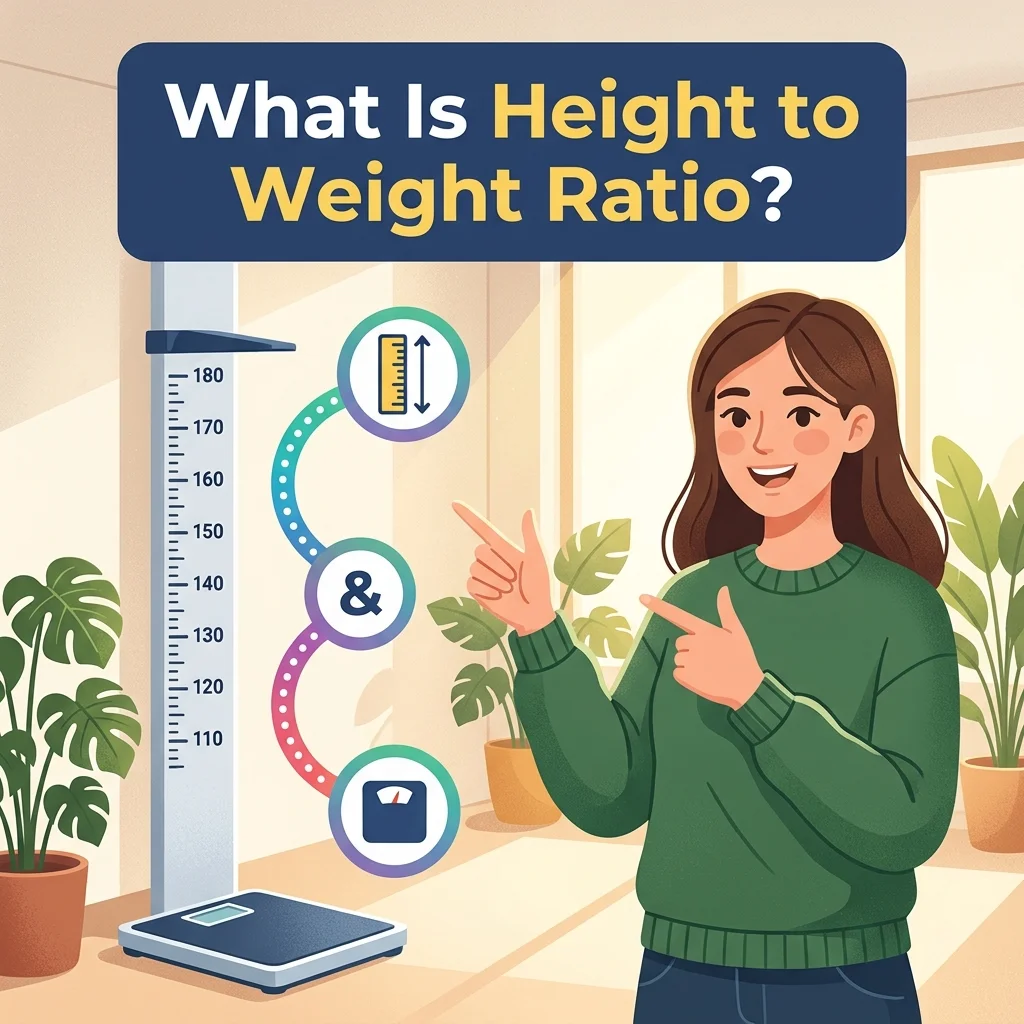
Height to weight ratio describes the relationship between a person’s height and body weight. It is a general term people use when comparing their weight with their height to understand whether their measurements fall within a commonly recommended range.
For example, a person who is 5 feet tall will generally have a different healthy weight range from someone who is 6 feet tall.
Height is an important factor because taller individuals generally have greater body mass than shorter individuals. However, height alone cannot determine a person’s ideal weight.
It is also important to understand that height to weight ratio is not one specific medical formula. One commonly used method for assessing weight relative to height is Body Mass Index, also known as BMI.
BMI uses height and weight to produce a numerical result. Healthcare professionals may use it as an initial screening measurement alongside other health information.
Why Does Height Matter When Evaluating Weight?
Height influences how body weight is distributed across the body. Someone who is taller may naturally weigh more than someone who is shorter, even when both have similar body compositions.
This is why comparing two people using weight alone can be misleading.
A height and weight chart provides a more useful starting point because it considers both measurements.
However, it does not account for every individual difference, including muscle mass, body fat distribution, and medical conditions.
Height to Weight Ratio Chart for Adults
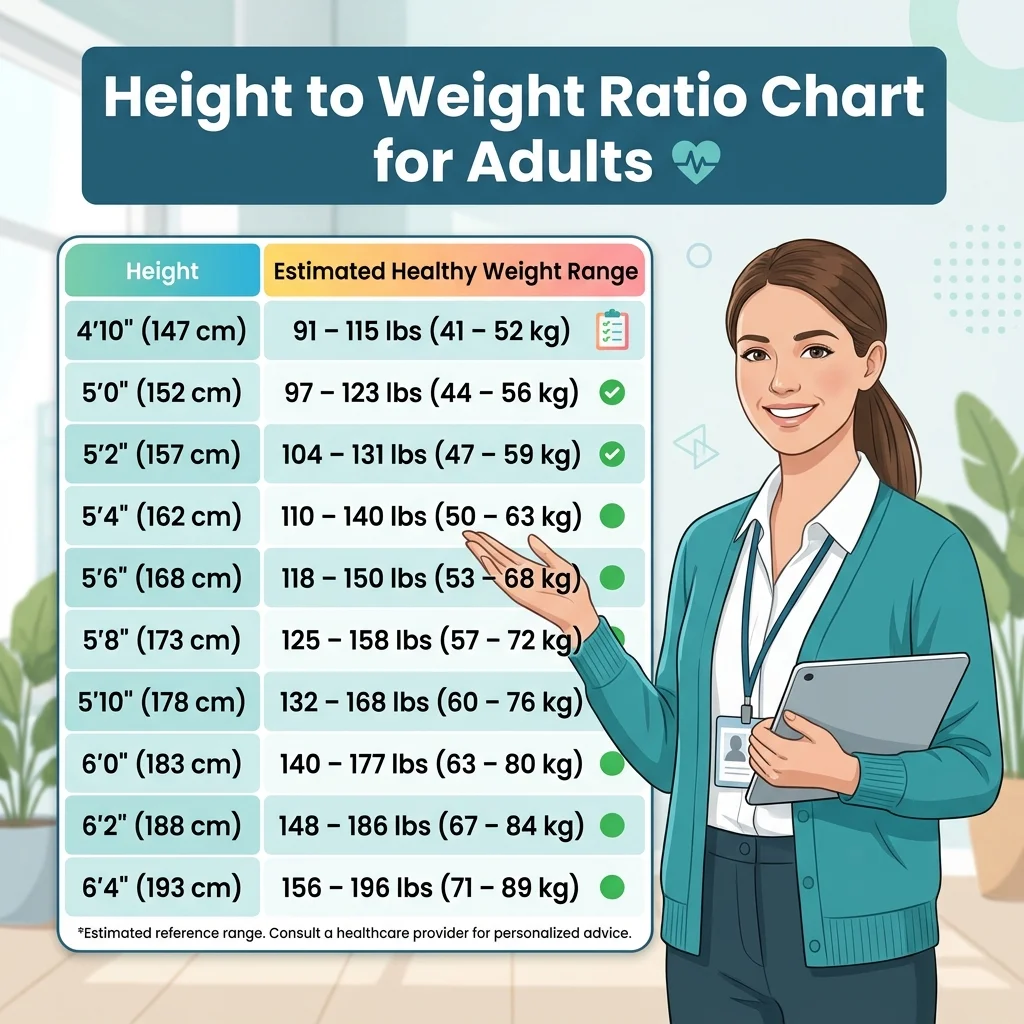
A height to weight ratio chart provides approximate weight ranges for different heights. The following chart uses the commonly referenced adult BMI range of 18.5 to 24.9 to calculate estimated weight ranges.
It includes both kilograms and pounds, making it easier to understand your measurements regardless of which measurement system you use.
Height and Weight Chart
| Height | Weight in KG | Weight in LBS |
| 4’10” | 40.2–54.0 | 89–119 |
| 4’11” | 41.5–55.9 | 92–123 |
| 5’0″ | 43.0–57.8 | 95–127 |
| 5’1″ | 44.4–59.8 | 98–132 |
| 5’2″ | 45.9–61.8 | 101–136 |
| 5’3″ | 47.4–63.8 | 104–141 |
| 5’4″ | 48.9–65.8 | 108–145 |
| 5’5″ | 50.4–67.9 | 111–150 |
| 5’6″ | 52.0–70.0 | 115–154 |
| 5’7″ | 53.6–72.1 | 118–159 |
| 5’8″ | 55.2–74.3 | 122–164 |
| 5’9″ | 56.8–76.5 | 125–169 |
| 5’10” | 58.5–78.7 | 129–174 |
| 5’11” | 60.2–81.0 | 133–179 |
| 6’0″ | 61.9–83.3 | 136–184 |
| 6’1″ | 63.6–85.6 | 140–189 |
| 6’2″ | 65.4–88.0 | 144–194 |
| 6’3″ | 67.1–90.4 | 148–199 |
| 6’4″ | 68.9–92.8 | 152–205 |
Important: These figures are approximate adult BMI-based reference ranges, not personalized ideal-weight targets. They are calculated using a BMI of 18.5 to 24.9 and rounded for readability.
How to Use a Height and Weight Chart
Using a height and weight chart is straightforward.
First, find your height in the left column. Then look across the same row to identify the estimated weight range in kilograms or pounds.
For example, someone who is 5 feet 6 inches tall has an approximate BMI-based reference weight range of 52 to 70 kilograms.
If their weight falls outside this range, it does not automatically mean they have a health problem. Muscle mass, body composition, and individual health circumstances should also be considered.
A chart is a starting point for understanding weight, not a replacement for professional medical advice.
How to Calculate Height to Weight Ratio Using BMI

If you want to understand how to calculate height to weight ratio, Body Mass Index is one of the most commonly used methods.
BMI compares body weight with height and provides a numerical measurement that can be classified into different adult weight categories.
BMI Formula in Kilograms
If you measure weight in kilograms and height in meters, use this formula:
BMI = Weight (kg) ÷ Height (m)²
For example, suppose someone weighs 70 kilograms and has a height of 1.75 meters.
Step 1: Multiply the height by itself.
1.75 × 1.75 = 3.0625
Step 2: Divide the weight by the squared height.
70 ÷ 3.0625 = 22.86
The final BMI is approximately 22.9.
This result falls within the commonly used healthy BMI category for adults.
BMI Formula in Pounds and Inches
If you use pounds and inches, the formula is:
BMI = [Weight (lbs) × 703] ÷ Height (inches)²
For example, suppose a person weighs 154 pounds and is 68 inches tall.
Step 1: Multiply the weight by 703.
154 × 703 = 108,262
Step 2: Multiply the height by itself.
68 × 68 = 4,624
Step 3: Divide the first result by the second.
108,262 ÷ 4,624 = 23.41
The estimated BMI is 23.4.
Both formulas provide the same type of measurement when the correct units are used.
BMI Categories and Healthy Weight Range

After calculating BMI, the next step is understanding what the result means.
For adults aged 20 and older, commonly used BMI categories are divided into four main groups, with obesity further divided into three classes.
| BMI Range | Weight Category |
| Below 18.5 | Underweight |
| 18.5–24.9 | Healthy weight |
| 25.0–29.9 | Higher-Weight Person |
| 30.0–34.9 | Obesity Class 1 |
| 35.0–39.9 | Obesity Class 2 |
| 40.0 or higher | Obesity Class 3 |
These categories are screening guidelines. BMI does not directly measure body fat or determine whether an individual is healthy.
Underweight
A BMI below 18.5 is generally classified as underweight for adults.
Being underweight may be associated with inadequate nutrition, certain medical conditions, or other health concerns.
However, some individuals naturally have smaller body frames.
If you experience unexplained weight loss, persistent weakness, or difficulty maintaining your weight, consider discussing these concerns with a healthcare professional.
Healthy Weight
A BMI between 18.5 and 24.9 is commonly classified as a healthy weight range for adults.
This category provides a general reference for understanding the relationship between height and weight.
However, a healthy BMI does not automatically guarantee good overall health. Nutrition, physical activity, blood pressure, waist circumference, and medical history also matter.
Higher-Weight Person
A BMI between 25 and 29.9 falls into the higher-weight person category.
This classification may indicate an increased likelihood of certain weight-related health risks.
However, BMI cannot distinguish between muscle and fat. People with greater muscle mass may have higher BMI values without having excessive body fat.
Obesity
A BMI of 30 or higher falls into an obesity category.
Obesity is divided into three classes:
- Class 1: BMI 30 to 34.9
- Class 2: BMI 35 to 39.9
- Class 3: BMI 40 or higher
Higher levels of excess body fat can increase the risk of certain medical conditions, including type 2 diabetes, cardiovascular disease, and high blood pressure.
A healthcare professional can evaluate individual health risks and recommend appropriate support.
Height to Weight Ratio for Men
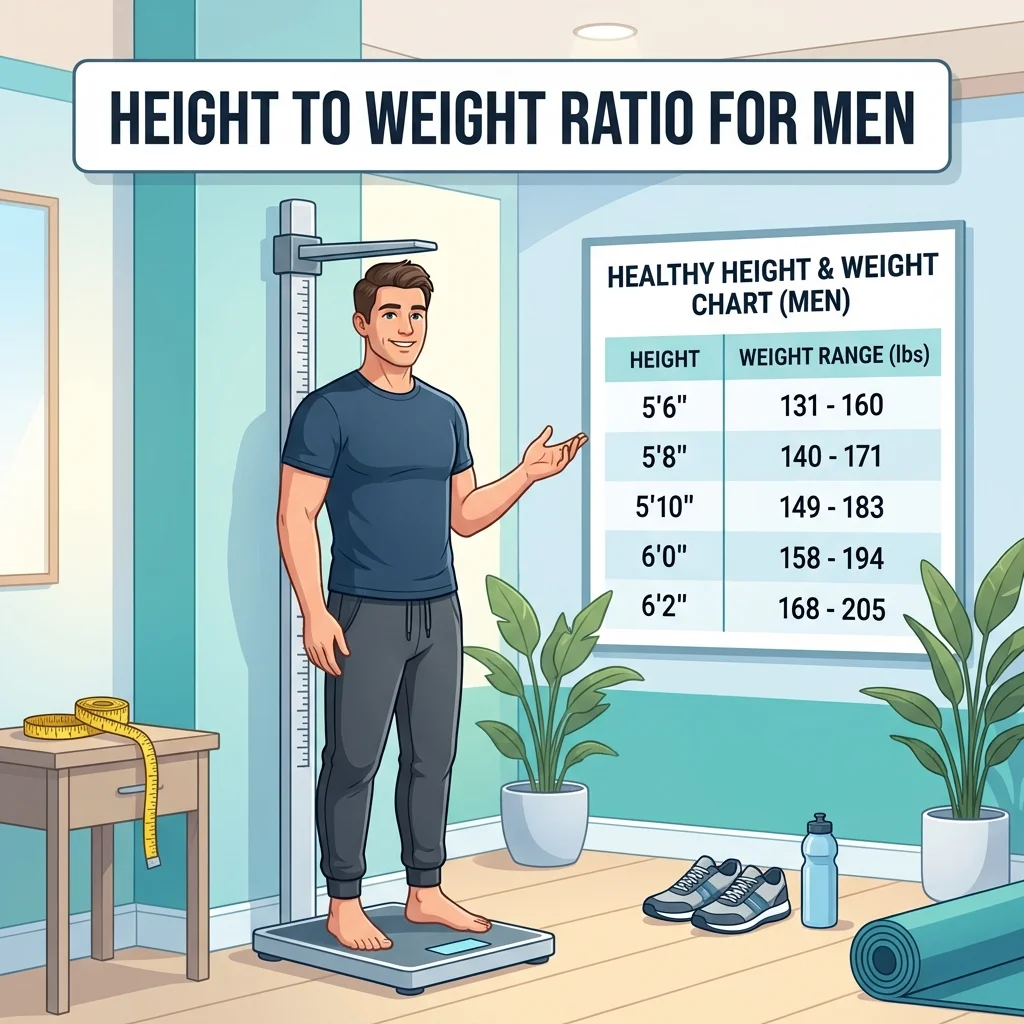
The height to weight ratio for men depends on several factors, including height, muscle mass, body composition, genetics, and age.
An ideal weight chart for men can provide a general reference, but it should not be treated as a strict measurement of health.
For example, two men who are both 5 feet 10 inches tall may have different weights because one has more muscle mass than the other.
Muscle contributes to overall body weight, so a physically active person may weigh more without necessarily having more body fat.
Men can support their general health through:
- Eating balanced meals with adequate protein and fiber.
- Participating in regular physical activity.
- Including resistance training when appropriate.
- Getting enough sleep.
- Maintaining healthy daily routines.
- Discussing unexplained weight changes with a healthcare professional.
The goal should be maintaining good health and physical function rather than reaching a particular number on a chart.
Height to Weight Ratio for Women

The height to weight ratio for women can vary because of differences in body composition, genetics, age, and individual health circumstances.
An ideal weight chart for women may help provide an initial reference, but it cannot account for every physical difference.
Pregnancy, menopause, hormonal changes, and other life stages may influence weight and fat distribution.
The commonly used adult BMI categories are generally the same for individuals. However, BMI does not provide a complete assessment of body composition or health.
Women can support their well-being by focusing on balanced nutrition, regular physical activity, sufficient sleep, and appropriate healthcare.
It is also important to avoid comparing personal measurements with another person’s weight. Different bodies can have different healthy weight patterns.
Does Age Affect Height to Weight Ratio?
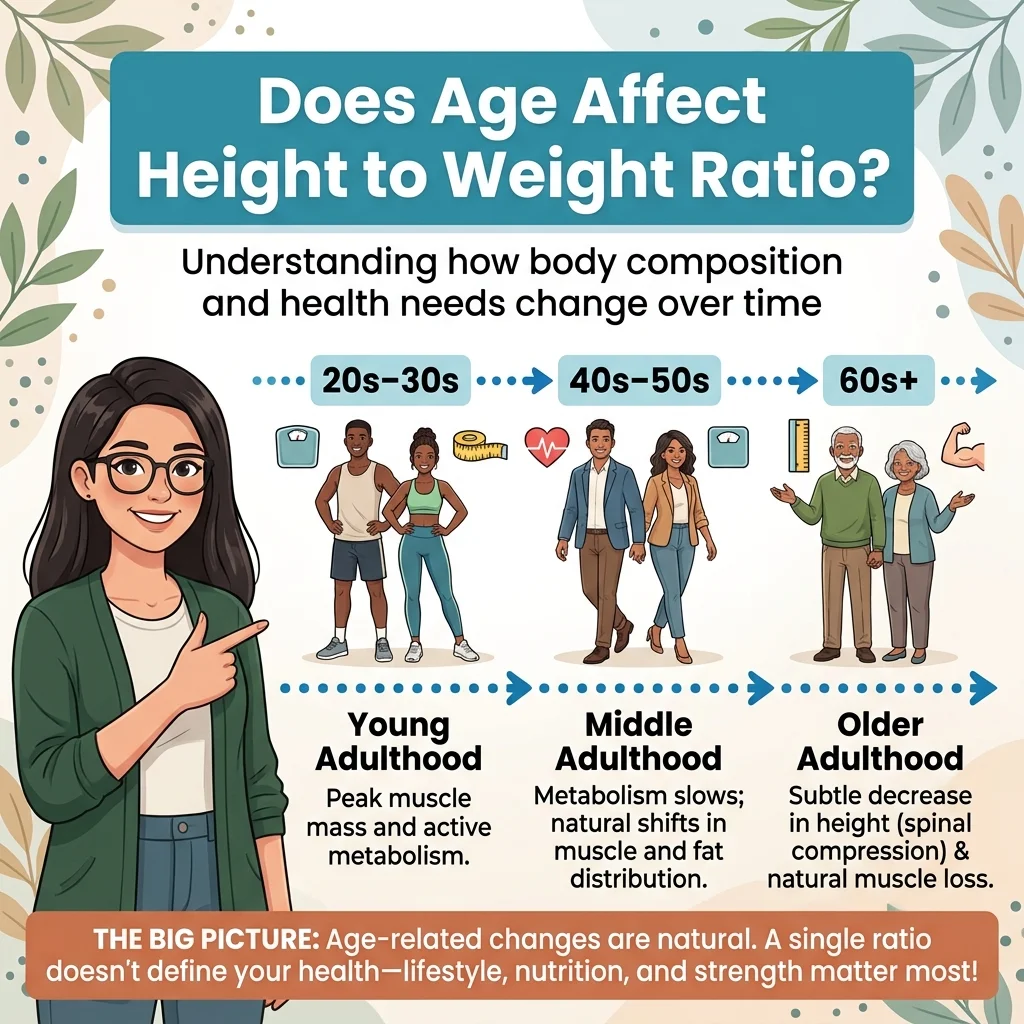
Age can influence the relationship between height and weight.
As people grow older, they may experience changes in muscle mass, bone density, metabolism, and fat distribution.
However, the way height and weight are evaluated depends on the person’s age group.
Height and Weight for Children
Children and teenagers should not use adult BMI categories to determine their weight status.
For individuals aged 2 to 19, BMI is interpreted using age- and sex-specific BMI-for-age percentiles.
These percentiles compare a child’s measurements with those of other children of the same age and sex.
The commonly used CDC categories are:
| BMI-for-Age Percentile | Category |
| Below 5th percentile | Underweight |
| 5th to below 85th percentile | Healthy weight |
| 85th to below 95th percentile | Higher-Weight Person |
| 95th percentile or higher | Obesity |
A child’s growth pattern over time is often more informative than one measurement.
Parents who have concerns about a child’s height, weight, or development should consult a pediatrician.
Height and Weight for Older Adults
Older adults may experience changes in muscle mass, mobility, and body composition.
For this reason, BMI alone may not provide enough information to assess their overall health.
Healthcare professionals may also consider muscle strength, nutritional status, waist circumference, medical history, and physical function.
An older adult’s health should be evaluated individually rather than using a weight chart as the only reference.
Factors That Influence Your Ideal Weight

Your ideal weight according to height depends on more than just your measurements.
Several factors can influence how much you weigh and what a healthy weight looks like for you.
1. Body Composition
Body composition describes the proportions of fat, muscle, bone, and other tissues in your body.
People with greater muscle mass may weigh more than people with less muscle, even if they have similar heights.
This is one of the main limitations of BMI and basic height-to-weight charts.
2. Genetics
Genetics can influence height, body structure, muscle development, and fat distribution.
Some individuals naturally have smaller frames, while others have broader or more muscular builds.
These differences help explain why people of the same height may have different healthy weight patterns.
3. Age
Age-related changes can influence metabolism, physical activity, and body composition.
Some adults experience gradual muscle loss as they grow older.
This can change the relationship between weight and body composition even when the number on the scale remains similar.
4. Physical Activity
Physical activity supports cardiovascular health, muscle strength, mobility, and general fitness.
People who participate in strength training, sports, or other physical activities may have different body compositions from people with sedentary lifestyles.
5. Diet and Nutrition
Nutrition plays an important role in maintaining body weight and overall health.
A balanced eating pattern may include:
- Fresh fruits and vegetables.
- Whole grains.
- Beans and lentils.
- Eggs, fish, and other suitable protein sources.
- Nuts and seeds.
- Healthy dietary fats.
- Adequate water.
Individual nutritional needs vary, so extreme diets should not be treated as universal solutions.
6. Hormonal Changes
Hormones influence appetite, metabolism, fluid balance, and fat distribution.
Certain hormonal conditions and life stages can contribute to changes in body weight.
Persistent or unexpected weight changes may require medical evaluation.
7. Medical Conditions and Medications
Some medical conditions and medications can influence appetite, fluid retention, metabolism, and weight.
If your weight changes significantly without an obvious explanation, consider speaking with a healthcare professional.
Is BMI the Same as Height to Weight Ratio?
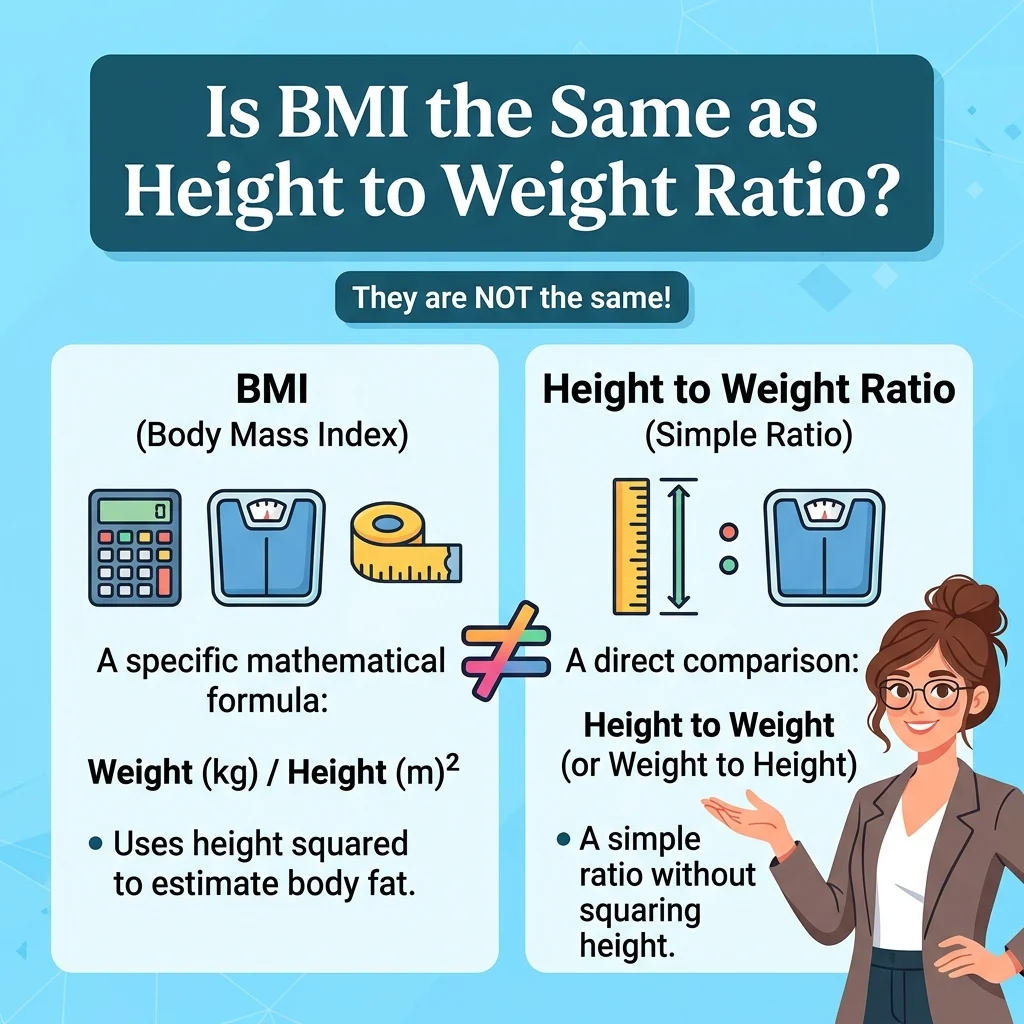
BMI and height to weight ratio are related, but they are not exactly the same.
Height to weight ratio is a general phrase used to describe the relationship between a person’s height and body weight.
BMI is a specific mathematical calculation that uses height and weight to produce a numerical value.
A height and weight chart shows estimated weight ranges for different heights, while BMI provides a standardized screening measurement.
Both methods have limitations.
For example, BMI does not distinguish between muscle and fat. Someone with substantial muscle mass may have a higher BMI without having excessive body fat.
Similarly, someone within the healthy BMI range may still have other health concerns.
For this reason, BMI should be considered alongside other health measurements rather than used as the only indicator of health.
How to Maintain a Healthy Weight
Maintaining a healthy weight is about developing sustainable habits that support your physical and mental well-being.
Instead of following extreme diets or unrealistic exercise plans, focus on practical lifestyle improvements.
Eat a Balanced Diet
Include a variety of nutritious foods in your daily meals.
Fruits, vegetables, whole grains, protein sources, and healthy fats can help provide essential nutrients.
Pay attention to portion sizes and choose an eating pattern that meets your individual needs.
Stay Physically Active
Regular physical activity supports heart health, muscle strength, and overall fitness.
Adults are generally advised to aim for at least 150 minutes of moderate-intensity aerobic activity per week, along with muscle-strengthening activities on two or more days.
Walking, swimming, cycling, and dancing are examples of activities that can be included in a weekly routine.
People with medical limitations should seek suitable professional guidance.
Get Enough Sleep
Sleep supports physical recovery, energy levels, mood, and general health.
Most adults benefit from approximately seven to nine hours of sleep each night.
Maintaining a regular sleep schedule may also support healthier daily routines.
Manage Stress
Long-term stress can influence eating habits, physical activity, and sleep quality.
Relaxation techniques, hobbies, outdoor activities, and supportive relationships may help improve overall well-being.
Monitor Your Progress Sensibly
If you choose to monitor your weight, look at longer-term trends instead of focusing on daily fluctuations.
Water retention, digestion, food intake, and other factors can temporarily change your weight.
Other indicators, including strength, energy, physical fitness, and waist circumference, may provide additional information.
Limitations of Height to Weight Charts and BMI
Height-to-weight charts and BMI calculators are useful starting points, but they cannot provide a complete picture of health.
There are several important limitations to understand.
They do not measure body fat directly. BMI uses height and weight rather than directly measuring fat mass.
They cannot distinguish between muscle and fat. A muscular person may have a higher BMI than expected for their body composition.
They do not account for every medical condition. Certain conditions and medications can influence body weight.
They are not suitable for every age group. Children and teenagers need age- and sex-specific BMI assessments.
They do not measure overall fitness. A BMI result cannot tell you everything about cardiovascular health, strength, nutrition, or physical activity.
For a more complete assessment, healthcare professionals may consider waist circumference, medical history, blood pressure, physical examination findings, and relevant laboratory tests.
When Should You Consult a Healthcare Professional?
A height and weight chart can provide general guidance, but some situations require professional attention.
Consider speaking with a healthcare professional if:
- You experience unexplained weight loss or weight gain.
- You have difficulty maintaining your weight.
- You are concerned about being significantly underweight or Higher-Weight Person.
- You experience persistent fatigue or weakness.
- You have concerns about your child’s growth.
- You have a medical condition that affects metabolism or nutrition.
- You are planning a significant change to your diet or exercise routine.
A healthcare professional can evaluate your individual circumstances and recommend an appropriate approach.
Frequently Asked Questions About Height to Weight Ratio
1. What Is the Ideal Height to Weight Ratio?
There is no single ideal height to weight ratio for everyone. For adults aged 20 and older, a BMI between 18.5 and 24.9 is commonly used as a healthy-weight screening range. Individual health and body composition also matter.
2. How Do I Calculate My Height to Weight Ratio?
One commonly used method is BMI. Divide your weight in kilograms by your height in meters squared. For example, someone weighing 70 kilograms with a height of 1.75 meters has a BMI of approximately 22.9.
3. What Is a Healthy Weight for My Height?
A healthy weight range depends on your height, body composition, and individual health circumstances. An adult height and weight chart can provide an approximate reference, but it cannot determine your personal ideal weight.
4. How Much Should I Weigh for My Height?
Your weight depends on several factors, including height, muscle mass, age, and body composition. You can use the height-to-weight chart in this article as a general reference and discuss individual concerns with a healthcare professional.
5. Does Height Affect Ideal Body Weight?
Yes. Taller individuals generally have higher BMI-based weight ranges than shorter individuals. However, body composition and other individual factors also influence healthy weight.
6. Is Height to Weight Ratio Different for individuals?
The standard adult BMI categories are generally the same for individuals. However, differences in body composition and fat distribution can affect how weight measurements should be interpreted.
7. Can I Use an Adult Height to Weight Chart for Children?
No. Children and teenagers should be assessed using age- and sex-specific BMI-for-age percentiles. Adult BMI categories are not appropriate for evaluating children’s growth.
8. Does Muscle Mass Affect Height to Weight Ratio?
Yes. Muscle contributes to total body weight. Someone with greater muscle mass may have a higher BMI than someone with less muscle, even if they have a lower body fat percentage.
9. Is BMI a Reliable Way to Measure Healthy Weight?
BMI is a useful screening tool for identifying possible weight-related health concerns. However, it does not directly measure body fat or distinguish between muscle and fat. It should be considered alongside other health measurements.
10. Should I Weigh Myself Every Day?
Daily weighing is not necessary for everyone. Body weight naturally fluctuates because of hydration, digestion, food intake, and other factors. Longer-term patterns are generally more useful than individual daily readings.
11. What Is More Important: Weight or Overall Health?
Overall health is more important than achieving a particular number on the scale. Nutrition, physical fitness, cardiovascular health, mental well-being, strength, and medical history all contribute to a person’s health.
Conclusion
Understanding the height to weight ratio can help you learn more about your body and general health. A height and weight chart, BMI calculator, and healthy weight range provide useful starting points for evaluating the relationship between height and body weight. However, there is no universal ideal weight that applies to every person. Age, genetics, muscle mass, body composition, nutrition, and lifestyle can all influence healthy weight.
Use the height-to-weight chart as a general reference rather than a strict target. Consider BMI alongside other health measurements, and consult a healthcare professional if you have concerns about your weight. Ultimately, the goal is not to achieve a perfect number on a chart. It is to develop sustainable habits that support a healthy, active, and balanced life.

I am Daniel Scott, a passionate writer dedicated to creating meaningful and engaging content that informs, inspires, and connects with readers worldwide. I am passionate about exploring ideas, sharing knowledge, and presenting stories with clarity and creativity. My writing focuses on delivering valuable insights through well-researched articles and thoughtful perspectives. I am committed to maintaining accuracy, originality, and a reader-first approach in every piece I create.